THE ADVENTURE COLLECTIVE® · Independent discovery and booking for outdoor travel

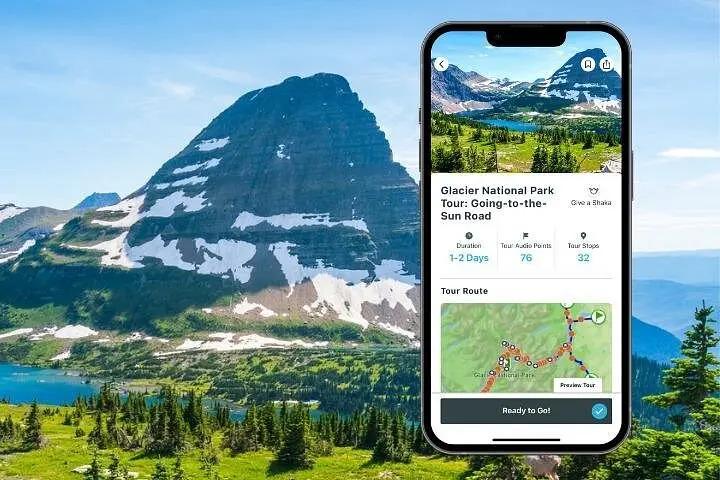
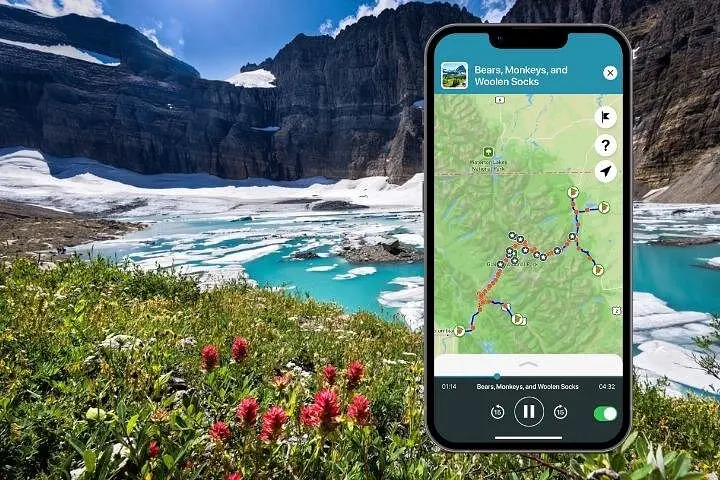
Drive Glacier National Park’s iconic Going-to-the-Sun Road at your own pace using an offline audio guide. Stop for short hikes, scenic overlooks, and wildlife sightings while the narration explains geology, history, and insider tips.
Drive Glacier National Park’s iconic Going-to-the-Sun Road at your own pace using an offline audio guide. Stop for short hikes, scenic overlooks, and wildlife sightings while the narration explains geology, history, and insider tips.
You round a bend and the valley opens—blue-green lakes drop away beneath a jagged skyline, waterfalls braid down the cliffs, and the road threads a narrow ledge with the Continental Divide towering above.
Verified experiences and guided adventures in the surrounding area.
Operated by Shaka Guide Apps · West Glacier, Montana
You round a bend and the valley opens—blue-green lakes drop away beneath a jagged skyline, waterfalls braid down the cliffs, and the road threads a narrow ledge with the Continental Divide towering above.
Going-to-the-Sun Road is a high-alpine artery across Glacier National Park, built in the 1920s–30s to connect east and west. Its carved cliffs and engineered retaining walls reveal local Belt Supergroup sedimentary rocks and ancient glacial sculpting; Jackson and Logan glaciers once carved the U-shaped valleys you now peer into. Local Blackfeet and Salish histories intersect here—this is both travel corridor and country with long cultural ties to the land.
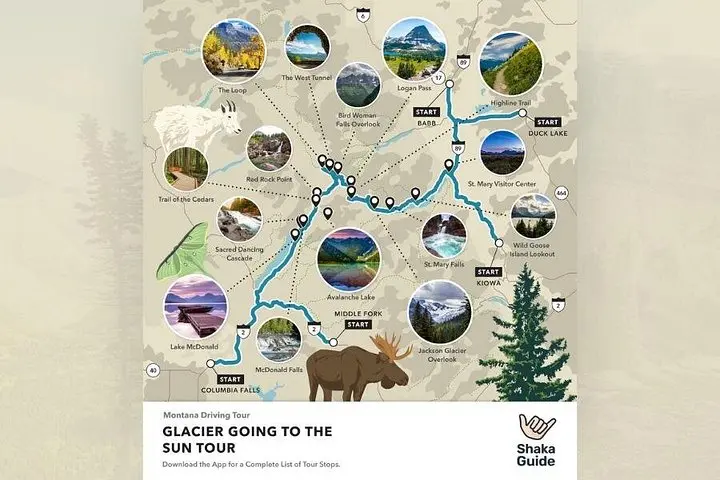
As you drive, mountain goats and bighorn sheep patrol the talus, while wildflower meadows pulse in short summer seasons. The road’s signature spots—Logan Pass, Weeping Wall, Wild Goose Island, Sun Point—are best experienced slowly: pull over, listen to stories in the audio guide, and let the pace of the route set your rhythm.
Practical notes: the full route takes most of a day (10–11 hours if you stop). Expect variable weather—sun can flip to wind and snow at higher elevations. Park entry fees and seasonal vehicle restrictions apply; cell service is patchy so download the audio and maps in advance. Carry water, fuel, layered clothing, and bear spray; drive cautiously through hairpin turns and narrow sections. With planning, this self-guided tour delivers the park’s geology, history, and wildlife on your timetable—one remarkable pull-off at a time.
No general reservation is required to drive, but seasonal vehicle size restrictions and temporary closures can apply—check the National Park Service site before you go.
The audio tour covers the route in about 10–11 hours including suggested stops, but you can pause and resume at any time.
No—high-elevation sections, including Logan Pass, are typically closed in winter and open in late spring to early summer depending on snow removal and conditions.
Yes—Jackson Glacier Overlook and other viewpoints offer glacier views, though most glaciers have retreated significantly in recent decades.
Shaka Guide Apps operates guided outdoor trips and adventures with an emphasis on safety, stewardship, and memorable experiences.
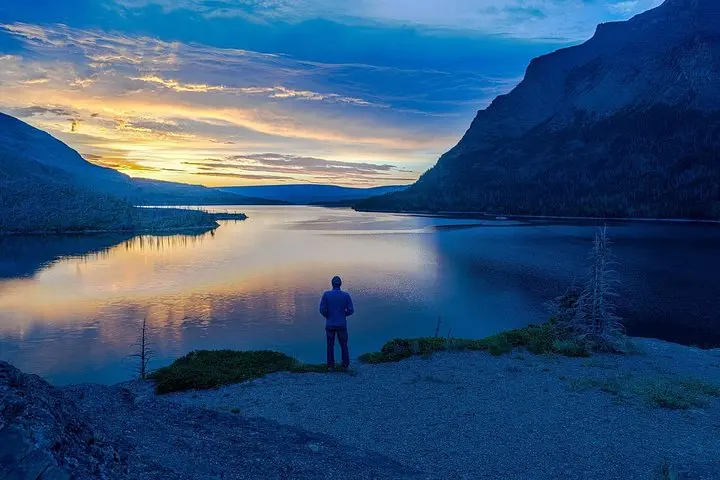
You round a bend and the valley opens—blue-green lakes drop away beneath a jagged skyline, waterfalls braid down the cliffs, and the road threads a narrow ledge with the Continental Divide towering above.
You round a bend and the valley opens—blue-green lakes drop away beneath a jagged skyline, waterfalls braid down the cliffs, and the road threads a narrow ledge with the Continental Divide towering above.
Going-to-the-Sun Road is a high-alpine artery across Glacier National Park, built in the 1920s–30s to connect east and west. Its carved cliffs and engineered retaining walls reveal local Belt Supergroup sedimentary rocks and ancient glacial sculpting; Jackson and Logan glaciers once carved the U-shaped valleys you now peer into. Local Blackfeet and Salish histories intersect here—this is both travel corridor and country with long cultural ties to the land.
As you drive, mountain goats and bighorn sheep patrol the talus, while wildflower meadows pulse in short summer seasons. The road’s signature spots—Logan Pass, Weeping Wall, Wild Goose Island, Sun Point—are best experienced slowly: pull over, listen to stories in the audio guide, and let the pace of the route set your rhythm.
Practical notes: the full route takes most of a day (10–11 hours if you stop). Expect variable weather—sun can flip to wind and snow at higher elevations. Park entry fees and seasonal vehicle restrictions apply; cell service is patchy so download the audio and maps in advance. Carry water, fuel, layered clothing, and bear spray; drive cautiously through hairpin turns and narrow sections. With planning, this self-guided tour delivers the park’s geology, history, and wildlife on your timetable—one remarkable pull-off at a time.