THE ADVENTURE COLLECTIVE® · Independent discovery and booking for outdoor travel

Drive a 1976 Mehari through El Penedès to visit two family wineries, taste premium cavas and wines, and finish with a picnic among the vines. This half-day tour blends countryside driving, cellar tours, and a leisurely local lunch.
Drive a 1976 Mehari through El Penedès to visit two family wineries, taste premium cavas and wines, and finish with a picnic among the vines. This half-day tour blends countryside driving, cellar tours, and a leisurely local lunch.
The engine coughs, the canvas roof folds back, and the Mehari threads between low stone walls and neat rows of vines that lean toward the light. You roll through El Penedès with the wind and a guide who reads the land—the chalky soils, the terraces, the older family masias—pointing out parcels that shape a cava’s fine bead and a red’s backbone.
Verified experiences and guided adventures in the surrounding area.
The engine coughs, the canvas roof folds back, and the Mehari threads between low stone walls and neat rows of vines that lean toward the light. You roll through El Penedès with the wind and a guide who reads the land—the chalky soils, the terraces, the older family masias—pointing out parcels that shape a cava’s fine bead and a red’s backbone.
Viticulture here stretches back to Roman times; the region hardened its reputation in the 19th century when local producers adopted Champagne methods and gave the world cava. The landscape is geology and labor: Miocene clays and limestone that drain fast, coastal breezes that cool ripening clusters, and small, family-run cellars that keep techniques handed down over generations.
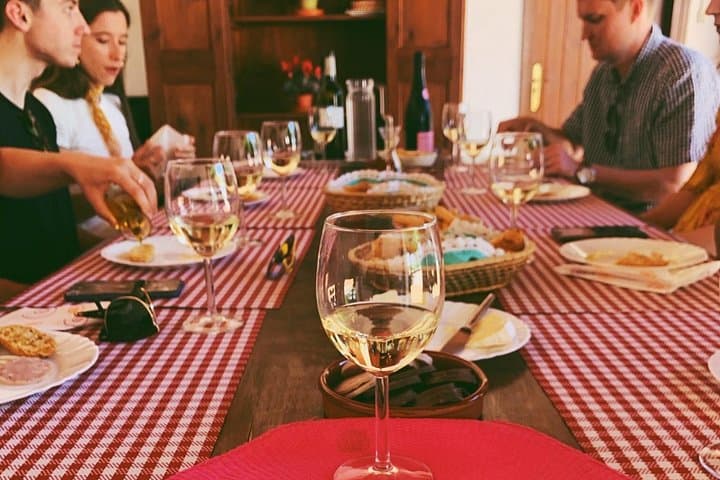
Cultural notes arrive between tastings—how cooperative culture shaped small-property ownership, when mechanization arrived, and why harvest remains an almost sacred communal push. Expect two cellar visits where vintners walk you through fermentation, tirage, and disgorgement, followed by a laid-back picnic on a grassy bank under old oaks with local cheeses, cured meats, and open bottles of cava.
Practical guide: this is a low-effort, high-sensory half-day. Bring sun protection, a light jacket for cellar coolness, and comfortable shoes for gravel and cellar steps. Mornings are best for softer light and fewer buses; harvest (September–October) is the busiest time to observe active winemaking. Respect private property, follow your guide, and pace tastings if driving afterward—arranged transport or a designated driver is recommended.
The tour includes tastings at two wineries and an open picnic lunch where local wines and cavas are offered; confirm exact pour policy when booking.
Tours typically start in Barcelona with a short drive to El Penedès and finish back near the same meeting point—verify pickup location and return times on your confirmation.
The Mehari is a vintage 1976 convertible maintained for passenger tours; it meets local safety standards but is an open-air, light-structure vehicle so expect a bumpy, exposed ride.
Some cellar areas have gravel, narrow steps, or uneven floors; contact the operator ahead of time to discuss accessibility and possible accommodations.
The engine coughs, the canvas roof folds back, and the Mehari threads between low stone walls and neat rows of vines that lean toward the light. You roll through El Penedès with the wind and a guide who reads the land—the chalky soils, the terraces, the older family masias—pointing out parcels that shape a cava’s fine bead and a red’s backbone.
The engine coughs, the canvas roof folds back, and the Mehari threads between low stone walls and neat rows of vines that lean toward the light. You roll through El Penedès with the wind and a guide who reads the land—the chalky soils, the terraces, the older family masias—pointing out parcels that shape a cava’s fine bead and a red’s backbone.
Viticulture here stretches back to Roman times; the region hardened its reputation in the 19th century when local producers adopted Champagne methods and gave the world cava. The landscape is geology and labor: Miocene clays and limestone that drain fast, coastal breezes that cool ripening clusters, and small, family-run cellars that keep techniques handed down over generations.
Cultural notes arrive between tastings—how cooperative culture shaped small-property ownership, when mechanization arrived, and why harvest remains an almost sacred communal push. Expect two cellar visits where vintners walk you through fermentation, tirage, and disgorgement, followed by a laid-back picnic on a grassy bank under old oaks with local cheeses, cured meats, and open bottles of cava.
Practical guide: this is a low-effort, high-sensory half-day. Bring sun protection, a light jacket for cellar coolness, and comfortable shoes for gravel and cellar steps. Mornings are best for softer light and fewer buses; harvest (September–October) is the busiest time to observe active winemaking. Respect private property, follow your guide, and pace tastings if driving afterward—arranged transport or a designated driver is recommended.