THE ADVENTURE COLLECTIVE® · Independent discovery and booking for outdoor travel

A full-day drive from Salta into the Calchaquí Valleys leads to towering cardón cacti and the dramatic Bishop’s Slope near Cachi. Expect easy walks, high-altitude panoramas, and cultural stops in traditional Andean villages.
A full-day drive from Salta into the Calchaquí Valleys leads to towering cardón cacti and the dramatic Bishop’s Slope near Cachi. Expect easy walks, high-altitude panoramas, and cultural stops in traditional Andean villages.
Morning light strips the high puna into hard angles as a private vehicle climbs away from Salta toward the Calchaquí Valleys. The road threads vineyards and terraced hills, then opens onto a broad, arid basin where cardones — columnar cacti as tall as small buildings — crowd the slopes and road edges like patient sentries.
Verified experiences and guided adventures in the surrounding area.
Operated by turismo la linda · Cachi, Salta
Morning light strips the high puna into hard angles as a private vehicle climbs away from Salta toward the Calchaquí Valleys. The road threads vineyards and terraced hills, then opens onto a broad, arid basin where cardones — columnar cacti as tall as small buildings — crowd the slopes and road edges like patient sentries.
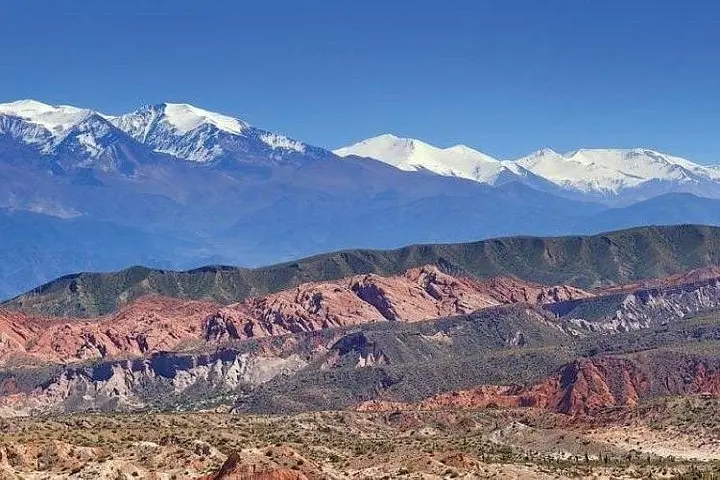
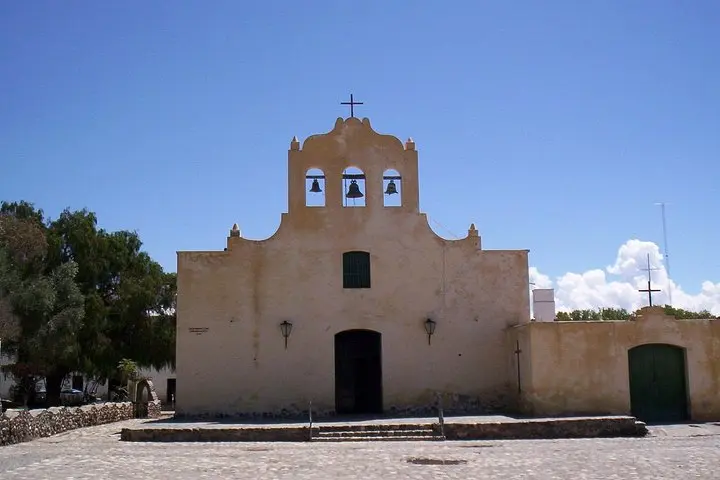
This full-day excursion places visitors beside one of South America’s largest cactus reserves and pauses at viewing points above Cachi to reveal the Bishop’s Slope, a steep, banded escarpment carved by erosion and uplift during Andean orogenesis. The surrounding land records millennia: pre-Columbian terrace agriculture and colonial-era adobe villages still shaped by traditional weaving and local viticulture. Geologically, the area is dominated by sedimentary layers tilted and cracked by tectonic forces; those strata create the luminous ridges and pale cliffs travelers stop to photograph.
Expect short, easy walks from roadside parking, long photo stops, and periods of seated travel with expansive views. Altitude ranges around 2,300–3,100 m (7,500–10,200 ft); light acclimatization reduces headaches. Sun is intense and shade scarce — water, sun protection, and layered wind protection are practical necessities.
Local hosts often combine history and natural history commentary: look for explanations of the cardón’s water-storage strategy and the community’s smallholder vineyards. Respect private grazing lands and sticky cactus skins; keep to marked pullouts, pack out trash, and use toilet facilities where provided. The reward is straightforward: stark, sculpted landscapes and a vivid lesson in how plants and people adapt to thin air and low moisture.
The full program runs about 12–13 hours; tours typically depart early morning from Salta and return late afternoon to early evening.
No technical hiking is required—stops involve short, easy walks from parking areas rather than sustained treks.
Standard travel documents suffice; check tour booking requirements for passport details if returning by air the same day.
There are village cafés and simple restaurants in towns like Cachi; bring snacks and water for between stops in more remote stretches.
turismo la linda operates guided outdoor trips and adventures with an emphasis on safety, stewardship, and memorable experiences.
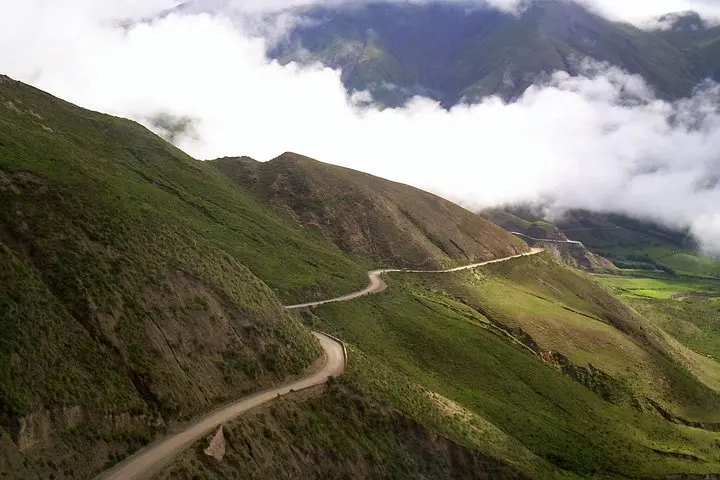
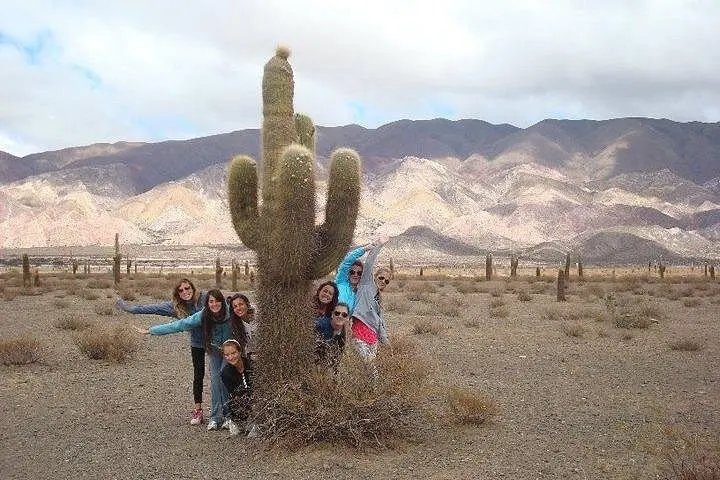
Morning light strips the high puna into hard angles as a private vehicle climbs away from Salta toward the Calchaquí Valleys. The road threads vineyards and terraced hills, then opens onto a broad, arid basin where cardones — columnar cacti as tall as small buildings — crowd the slopes and road edges like patient sentries.
Morning light strips the high puna into hard angles as a private vehicle climbs away from Salta toward the Calchaquí Valleys. The road threads vineyards and terraced hills, then opens onto a broad, arid basin where cardones — columnar cacti as tall as small buildings — crowd the slopes and road edges like patient sentries.
This full-day excursion places visitors beside one of South America’s largest cactus reserves and pauses at viewing points above Cachi to reveal the Bishop’s Slope, a steep, banded escarpment carved by erosion and uplift during Andean orogenesis. The surrounding land records millennia: pre-Columbian terrace agriculture and colonial-era adobe villages still shaped by traditional weaving and local viticulture. Geologically, the area is dominated by sedimentary layers tilted and cracked by tectonic forces; those strata create the luminous ridges and pale cliffs travelers stop to photograph.
Expect short, easy walks from roadside parking, long photo stops, and periods of seated travel with expansive views. Altitude ranges around 2,300–3,100 m (7,500–10,200 ft); light acclimatization reduces headaches. Sun is intense and shade scarce — water, sun protection, and layered wind protection are practical necessities.
Local hosts often combine history and natural history commentary: look for explanations of the cardón’s water-storage strategy and the community’s smallholder vineyards. Respect private grazing lands and sticky cactus skins; keep to marked pullouts, pack out trash, and use toilet facilities where provided. The reward is straightforward: stark, sculpted landscapes and a vivid lesson in how plants and people adapt to thin air and low moisture.