THE ADVENTURE COLLECTIVE® · Independent discovery and booking for outdoor travel

Skip the train for a land-route into the cloud forest: a 3-day drive-and-hike itinerary that combines a rail-side walk to Aguas Calientes with an early ascent to the Machu Picchu citadel and the Montaña summit. Expect jungle humidity, steep stone steps, and unforgettable ridge views.
Skip the train for a land-route into the cloud forest: a 3-day drive-and-hike itinerary that combines a rail-side walk to Aguas Calientes with an early ascent to the Machu Picchu citadel and the Montaña summit. Expect jungle humidity, steep stone steps, and unforgettable ridge views.
You wake before dawn on day two, headlamp bobbing, the jungle’s humidity already pressing against your jacket as the trail climbs from Aguas Calientes toward the stone citadel. The path snakes in a steady zigzag, palms and ferns brushing your shoulders; above, mist peels off the ridge to reveal terraces and the first grey outline of Machu Picchu.
Verified experiences and guided adventures in the surrounding area.
Operated by MACHU PICCHU POR BUS · Aguas Calientes, Cusco Region
You wake before dawn on day two, headlamp bobbing, the jungle’s humidity already pressing against your jacket as the trail climbs from Aguas Calientes toward the stone citadel. The path snakes in a steady zigzag, palms and ferns brushing your shoulders; above, mist peels off the ridge to reveal terraces and the first grey outline of Machu Picchu.
This three-day route follows the modern alternative to the train: a bus transfer toward the Hydroelectric station and a 2½–3 hour walk along the valley and rail line into Aguas Calientes, then an early ascent to Machu Picchu (walk ~1.5 hours from 2,200 m to the citadel at ~2,400 m). The citadel itself is a 15th-century Inca construction set on folded Andean granite carved by ancient rivers and uplift. Local Quechua communities still shape the cultural landscape—market stalls in Aguas Calientes sell coca and alpaca goods, and guides share oral histories of the site.
Expect steep stone steps, slippery sections in rain, and a strenuous outing if you take the Montaña summit: plan for an additional 1.5–2 hours round-trip with roughly 300–400 m of elevation gain from the citadel. Practical notes: carry altitude-aware hydration, layered breathable clothing for sudden cloud-forest showers, and reserve your Machu Picchu Mountain permit in advance. Buses run but are optional; the uphill path rewards those who walk with quieter morning views. Time your visit early to beat crowds and afternoon storms; move deliberately on the stonework—this is an archaeological site and a fragile mountain ecosystem.
Plan for approximately 2½–3 hours of walking along the rail line and riverside trail, depending on pace and stops.
This itinerary includes entrance to Machu Picchu Mountain, but the hike on the mountain is unguided—permits and the physical ability to climb are required.
Yes—buses run from Aguas Calientes to the citadel (not included in the basic tour price); many visitors choose the bus to save energy for the summit.
Machupicchu sits around 2,400 m; symptoms can include breathlessness and fatigue—ascend slowly, hydrate, and avoid heavy exertion on arrival day if you’re not acclimatized.
MACHU PICCHU POR BUS operates guided outdoor trips and adventures with an emphasis on safety, stewardship, and memorable experiences.
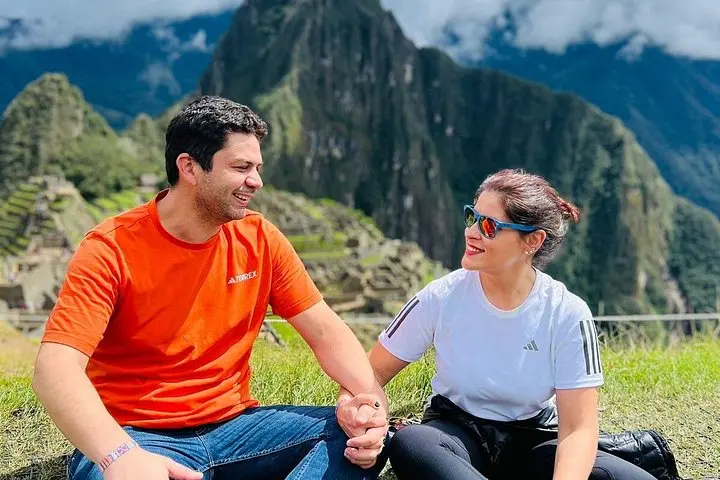
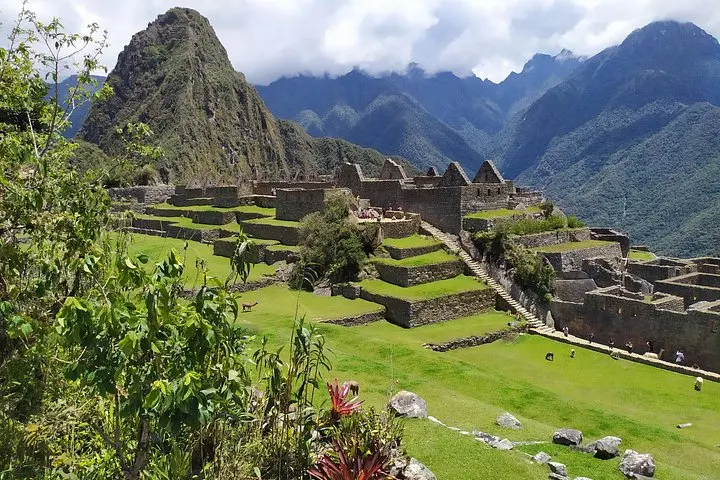
You wake before dawn on day two, headlamp bobbing, the jungle’s humidity already pressing against your jacket as the trail climbs from Aguas Calientes toward the stone citadel. The path snakes in a steady zigzag, palms and ferns brushing your shoulders; above, mist peels off the ridge to reveal terraces and the first grey outline of Machu Picchu.
You wake before dawn on day two, headlamp bobbing, the jungle’s humidity already pressing against your jacket as the trail climbs from Aguas Calientes toward the stone citadel. The path snakes in a steady zigzag, palms and ferns brushing your shoulders; above, mist peels off the ridge to reveal terraces and the first grey outline of Machu Picchu.
This three-day route follows the modern alternative to the train: a bus transfer toward the Hydroelectric station and a 2½–3 hour walk along the valley and rail line into Aguas Calientes, then an early ascent to Machu Picchu (walk ~1.5 hours from 2,200 m to the citadel at ~2,400 m). The citadel itself is a 15th-century Inca construction set on folded Andean granite carved by ancient rivers and uplift. Local Quechua communities still shape the cultural landscape—market stalls in Aguas Calientes sell coca and alpaca goods, and guides share oral histories of the site.
Expect steep stone steps, slippery sections in rain, and a strenuous outing if you take the Montaña summit: plan for an additional 1.5–2 hours round-trip with roughly 300–400 m of elevation gain from the citadel. Practical notes: carry altitude-aware hydration, layered breathable clothing for sudden cloud-forest showers, and reserve your Machu Picchu Mountain permit in advance. Buses run but are optional; the uphill path rewards those who walk with quieter morning views. Time your visit early to beat crowds and afternoon storms; move deliberately on the stonework—this is an archaeological site and a fragile mountain ecosystem.