THE ADVENTURE COLLECTIVE® · Independent discovery and booking for outdoor travel

Drive one of Romania’s most iconic mountain roads and step out at high alpine viewpoints, Balea Lake, and towering waterfalls. This day tour from Sibiu combines short walks, photo stops, and a licensed guide to navigate traffic and seasonal closures.
Drive one of Romania’s most iconic mountain roads and step out at high alpine viewpoints, Balea Lake, and towering waterfalls. This day tour from Sibiu combines short walks, photo stops, and a licensed guide to navigate traffic and seasonal closures.
The road appears before you like a ribbon of asphalt pinned to the high spine of the Făgăraș Mountains — hairpins carving through rock, the wind pushing you toward the ridge as the minivan climbs. On clear days the clouds sit below the pass and Balea Lake glints like a high-altitude mirror at 2,034 meters; waterfalls braid down steep basins and the air tastes of cold stone and pine.
Verified experiences and guided adventures in the surrounding area.
Operated by Sibiu Tour Guide · Sibiu, Sibiu County
The road appears before you like a ribbon of asphalt pinned to the high spine of the Făgăraș Mountains — hairpins carving through rock, the wind pushing you toward the ridge as the minivan climbs. On clear days the clouds sit below the pass and Balea Lake glints like a high-altitude mirror at 2,034 meters; waterfalls braid down steep basins and the air tastes of cold stone and pine.
This stretch of the Transfăgărășan was built in the early 1970s as a strategic military link and today reads as one of Romania’s most dramatic engineering gestures, cut through crystalline schist and glacial cirques formed during the last Ice Age. Local shepherding and alpine cottages still mark the valleys below, while the cable car to Balea Lake, installed in the 1990s, gives a vertiginous perspective when the road is closed in winter.
Expect multiple short stops: a roadside viewpoint on the north slope of the pass, a walk to Balea Waterfall, a loop around the lake for sweeping southern views of the road, and a close approach to Capra Waterfall when accessible. The tour is largely vehicle-based with light walking on uneven ground and wet rock near cascades.
Practical pointers: start early to beat buses and recreational drivers, bring layered outerwear (it’s often 10–15°C cooler at the pass), waterproof shoes for slippery lake and waterfall trails, and motion-sickness remedies for the winding descent. Check seasonal access: the full route typically opens in late June and closes in November; outside that window the cable car and limited high-road sections are used.
This is a sightseeing day crafted for photographers and hikers who want high alpine drama without a full mountaineering commitment.
The full road typically opens from late June through October or early November depending on snow and maintenance; outside that window the pass is closed and access is limited.
Yes — when the road is closed the cable car or gondola from lower stations provides access to Balea Lake and offers dramatic views of the waterfall and road.
Walking is light — mostly short loops and viewpoints (10–30 minutes each) on uneven surfaces; the tour is primarily vehicle-based.
Meals are not included but there are basic cafés and huts by Balea Lake where you can buy coffee and light lunches during the open season.
Sibiu Tour Guide operates guided outdoor trips and adventures with an emphasis on safety, stewardship, and memorable experiences.
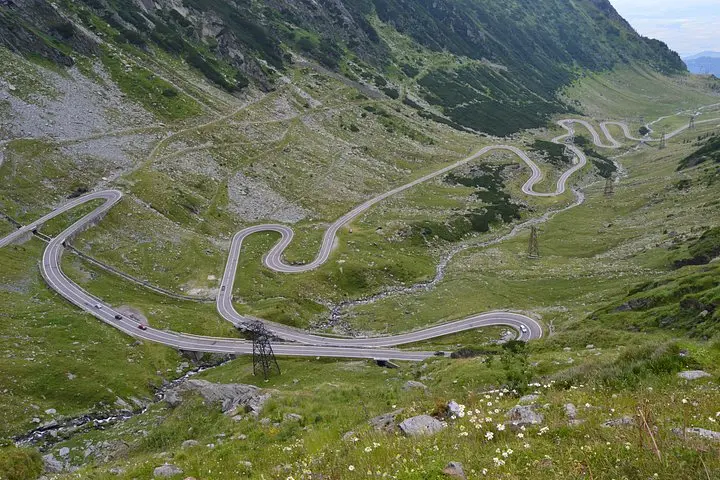
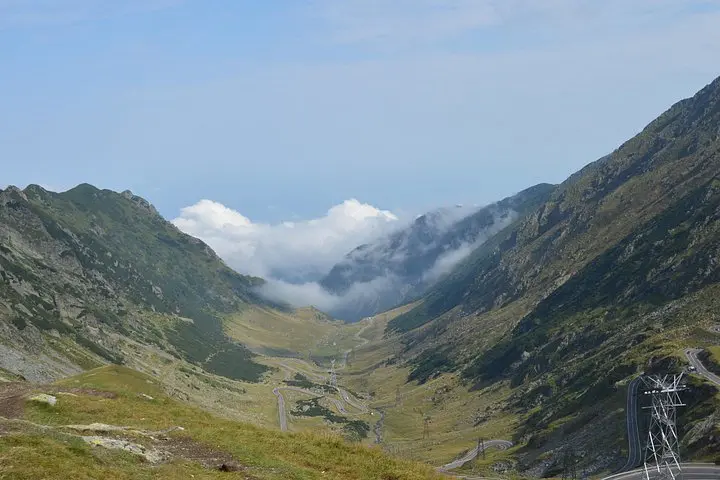
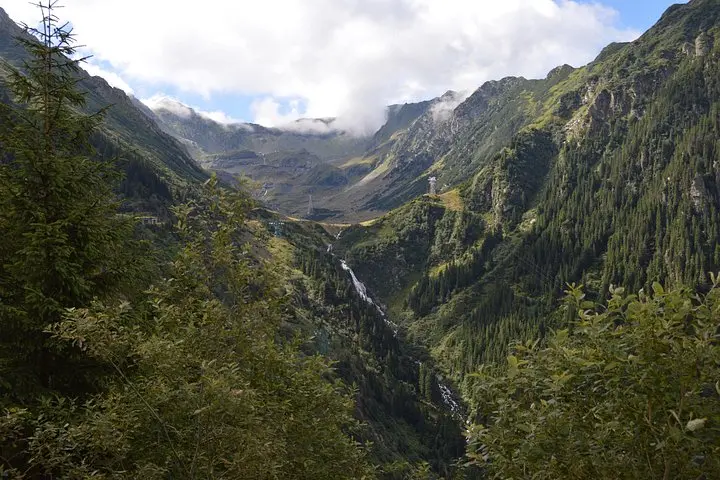
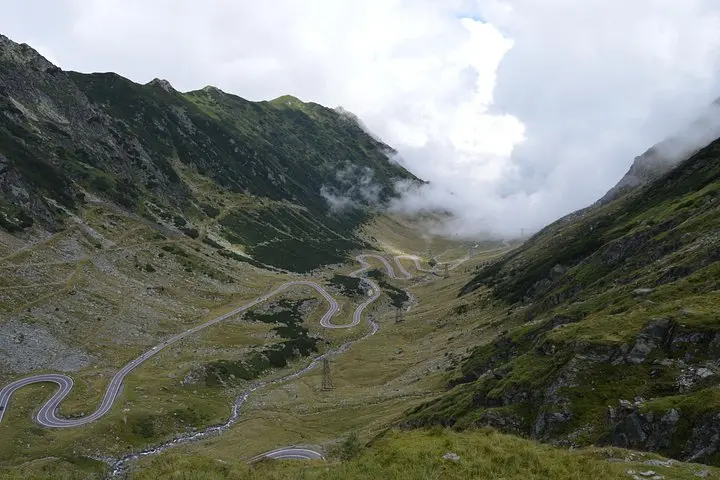
The road appears before you like a ribbon of asphalt pinned to the high spine of the Făgăraș Mountains — hairpins carving through rock, the wind pushing you toward the ridge as the minivan climbs. On clear days the clouds sit below the pass and Balea Lake glints like a high-altitude mirror at 2,034 meters; waterfalls braid down steep basins and the air tastes of cold stone and pine.
The road appears before you like a ribbon of asphalt pinned to the high spine of the Făgăraș Mountains — hairpins carving through rock, the wind pushing you toward the ridge as the minivan climbs. On clear days the clouds sit below the pass and Balea Lake glints like a high-altitude mirror at 2,034 meters; waterfalls braid down steep basins and the air tastes of cold stone and pine.
This stretch of the Transfăgărășan was built in the early 1970s as a strategic military link and today reads as one of Romania’s most dramatic engineering gestures, cut through crystalline schist and glacial cirques formed during the last Ice Age. Local shepherding and alpine cottages still mark the valleys below, while the cable car to Balea Lake, installed in the 1990s, gives a vertiginous perspective when the road is closed in winter.
Expect multiple short stops: a roadside viewpoint on the north slope of the pass, a walk to Balea Waterfall, a loop around the lake for sweeping southern views of the road, and a close approach to Capra Waterfall when accessible. The tour is largely vehicle-based with light walking on uneven ground and wet rock near cascades.
Practical pointers: start early to beat buses and recreational drivers, bring layered outerwear (it’s often 10–15°C cooler at the pass), waterproof shoes for slippery lake and waterfall trails, and motion-sickness remedies for the winding descent. Check seasonal access: the full route typically opens in late June and closes in November; outside that window the cable car and limited high-road sections are used.
This is a sightseeing day crafted for photographers and hikers who want high alpine drama without a full mountaineering commitment.