THE ADVENTURE COLLECTIVE® · Independent discovery and booking for outdoor travel

Walk the historic Druk Path from Paro to Thimphu over 8 nights and 9 days, passing dzongs, high alpine lakes and yak pastures. This camping trek blends cultural sites with steady high-elevation hiking—expect 7–11 km days and camps between 3,450–4,110 m.
Walk the historic Druk Path from Paro to Thimphu over 8 nights and 9 days, passing dzongs, high alpine lakes and yak pastures. This camping trek blends cultural sites with steady high-elevation hiking—expect 7–11 km days and camps between 3,450–4,110 m.
Dawn breaks over Paro and the valley wakes in a hush—prayer flags ripple, pine trunks hold frost, and the first ridgeline glows pink as walkers shoulder packs and step onto the Druk Path.
Verified experiences and guided adventures in the surrounding area.
Operated by BARBIL TOURS · Paro, Paro District
Dawn breaks over Paro and the valley wakes in a hush—prayer flags ripple, pine trunks hold frost, and the first ridgeline glows pink as walkers shoulder packs and step onto the Druk Path.
This classic high-country route links Paro (2,280 m) to Thimphu along ancient pilgrim tracks and dzong couriers’ routes. Geologically the trail follows uplifted Himalayan ridges and glacially carved basins; you climb from blue-pine and fir forests through rhododendron bands into alpine meadows and lake basins above 3,500–4,100 m. Cultural waypoints include Jele Dzong, Phajoding monastery and the cliffside Taktsang (Tiger’s Nest) near Paro—sites that reflect Bhutan’s 7th–14th century religious history and living monastic traditions.
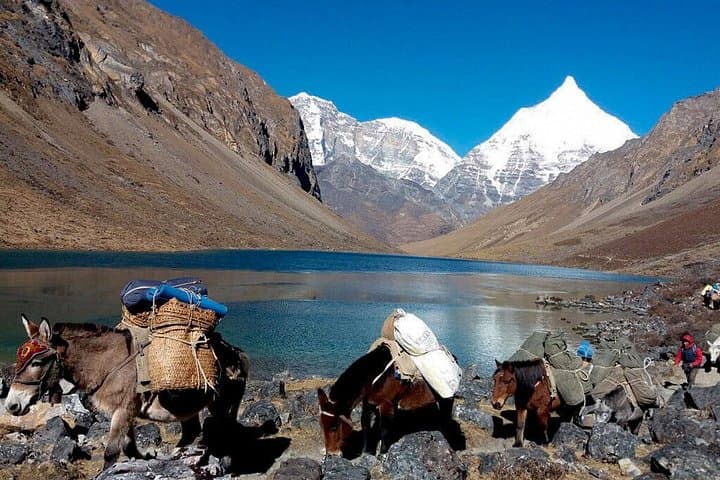
Expect steady days of 7–11 km with typical daily elevation gains of 200–600 m; high camps sit around 3,700–4,100 m. Trails vary from packed soil to rocky bootpaths and short scree sections; yak pastures and tarns (Jimilangtsho, Simkotra) offer good campsite water sources.
Practical note: permits and the Sustainable Development Fee apply (SDF ≈ USD 100/night), and camping gear, sleeping mats and bags are usually provided; ponies can carry luggage. Acclimatize in Paro, pace the ascent, carry a water filter or purification tablets, and bring insulated layers for sub-zero nights. The Druk Path rewards steady hikers with high mountain views, lake-side camps and close encounters with Himalayan birdlife—compact, remote, and quietly profound.
Spring (March–May) and autumn (September–November) offer the clearest skies and rhododendron blooms or crisp post-monsoon visibility; monsoon (June–August) brings rain and muddier trails.
Yes—foreign visitors to Bhutan pay visa fees and the Sustainable Development Fee (SDF) charged per night; confirm whether the tour price includes these charges.
Daily distances are moderate (7–11 km) but camps reach ~4,100 m—pace yourself, hydrate, and allow time for acclimatization to reduce altitude-related symptoms.
Operators commonly provide pack animals or porters to carry main luggage; you should carry a daypack with essentials, water and layers.
BARBIL TOURS operates guided outdoor trips and adventures with an emphasis on safety, stewardship, and memorable experiences.


Dawn breaks over Paro and the valley wakes in a hush—prayer flags ripple, pine trunks hold frost, and the first ridgeline glows pink as walkers shoulder packs and step onto the Druk Path.
Dawn breaks over Paro and the valley wakes in a hush—prayer flags ripple, pine trunks hold frost, and the first ridgeline glows pink as walkers shoulder packs and step onto the Druk Path.
This classic high-country route links Paro (2,280 m) to Thimphu along ancient pilgrim tracks and dzong couriers’ routes. Geologically the trail follows uplifted Himalayan ridges and glacially carved basins; you climb from blue-pine and fir forests through rhododendron bands into alpine meadows and lake basins above 3,500–4,100 m. Cultural waypoints include Jele Dzong, Phajoding monastery and the cliffside Taktsang (Tiger’s Nest) near Paro—sites that reflect Bhutan’s 7th–14th century religious history and living monastic traditions.
Expect steady days of 7–11 km with typical daily elevation gains of 200–600 m; high camps sit around 3,700–4,100 m. Trails vary from packed soil to rocky bootpaths and short scree sections; yak pastures and tarns (Jimilangtsho, Simkotra) offer good campsite water sources.
Practical note: permits and the Sustainable Development Fee apply (SDF ≈ USD 100/night), and camping gear, sleeping mats and bags are usually provided; ponies can carry luggage. Acclimatize in Paro, pace the ascent, carry a water filter or purification tablets, and bring insulated layers for sub-zero nights. The Druk Path rewards steady hikers with high mountain views, lake-side camps and close encounters with Himalayan birdlife—compact, remote, and quietly profound.