THE ADVENTURE COLLECTIVE® · Independent discovery and booking for outdoor travel

See Victoria Falls from both sides in one private excursion—broad panoramic viewpoints on the Zimbabwe side and intimate, spray-soaked platforms on the Zambian side. This guided tour combines history, geology and practical logistics for a seamless cross-border experience.
See Victoria Falls from both sides in one private excursion—broad panoramic viewpoints on the Zimbabwe side and intimate, spray-soaked platforms on the Zambian side. This guided tour combines history, geology and practical logistics for a seamless cross-border experience.
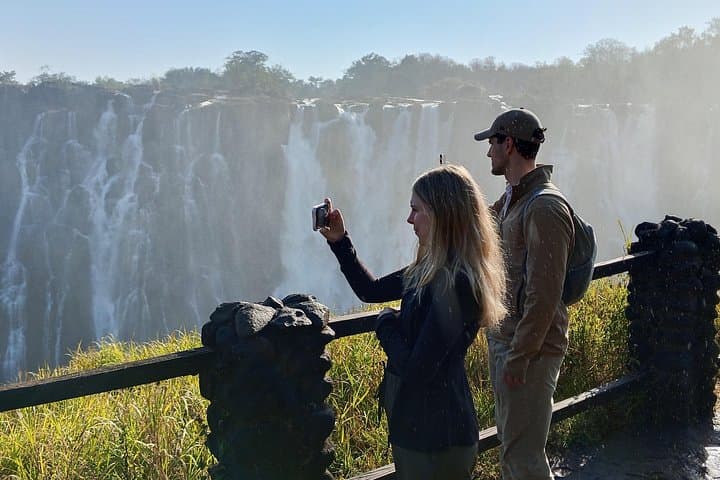
You step into a cloud of spray and sound: the Zambezi hurls itself off basalt, mist lifting in a constant veil while rainbows arc through overturned light.
Verified experiences and guided adventures in the surrounding area.
Operated by Mannex travel and tours · Livingstone, Southern Province
You step into a cloud of spray and sound: the Zambezi hurls itself off basalt, mist lifting in a constant veil while rainbows arc through overturned light.
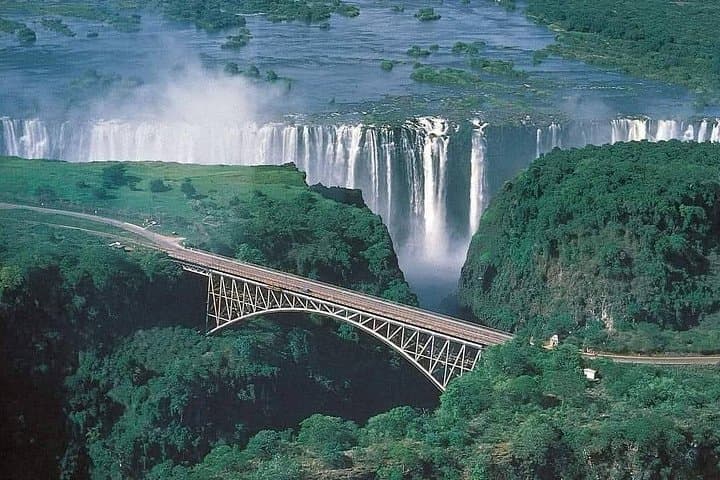
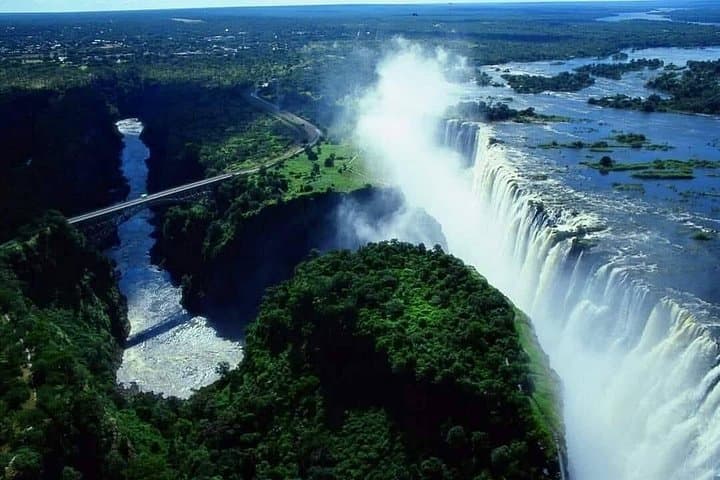
This private guided tour moves you across two national parks and two ways of seeing the same falling water. On the Zimbabwean side, broad panoramic paths set you before Devil’s Cataract, the Main Falls curtain and Rainbow Falls; on the Zambian side, the Knife-Edge Bridge and Boiling Pot put you within a few heartbeats of the river’s force. The Victoria Falls Bridge, completed in 1905 as part of colonial planning, frames the gorge with an iron silhouette and offers optional adrenaline extras—bungee, swing, zipline—for an added pulse.
Geology here is blunt: basalt plateaus fractured by the Zambezi, carved into the Batoka Gorge. The persistent spray creates a pocket rainforest that hosts sunbirds, hornbills and mischievous monkeys. Local culture ties to Livingstone’s 19th-century encounters and the Tonga name Mosi-oa-Tunya — the smoke that thunders.
Practical guide: allow roughly 5–6 hours for both sides and the bridge; expect several kilometers of walking on wet, stepped paths and short stair descents. Carry a waterproof layer and a dry bag for cameras, basic ID/passport for the border crossing, and small local currency for park fees or tips. Visit at first light for crisp light and fewer crowds; late afternoon brings strong rainbows. Mobility access is available on main paths, but waterproof, grippy footwear and steady balance are non-negotiable during high water months.
Yes—this itinerary crosses between Zambia and Zimbabwe; bring your passport and check visa rules for your nationality before travel.
Expect several kilometers of walking across both parks with stairs and wet trails; total time on foot is spread across viewpoints within a 5–6 hour tour.
High water occurs roughly February–May for the most dramatic spray; September–December is lower and exposes rock features—both offer different photographic opportunities.
No—bridge adventure activities are optional and extra; your guide can point you to operators at the Victoria Falls Bridge if you want to book them.
Mannex travel and tours operates guided outdoor trips and adventures with an emphasis on safety, stewardship, and memorable experiences.

You step into a cloud of spray and sound: the Zambezi hurls itself off basalt, mist lifting in a constant veil while rainbows arc through overturned light.
You step into a cloud of spray and sound: the Zambezi hurls itself off basalt, mist lifting in a constant veil while rainbows arc through overturned light.
This private guided tour moves you across two national parks and two ways of seeing the same falling water. On the Zimbabwean side, broad panoramic paths set you before Devil’s Cataract, the Main Falls curtain and Rainbow Falls; on the Zambian side, the Knife-Edge Bridge and Boiling Pot put you within a few heartbeats of the river’s force. The Victoria Falls Bridge, completed in 1905 as part of colonial planning, frames the gorge with an iron silhouette and offers optional adrenaline extras—bungee, swing, zipline—for an added pulse.
Geology here is blunt: basalt plateaus fractured by the Zambezi, carved into the Batoka Gorge. The persistent spray creates a pocket rainforest that hosts sunbirds, hornbills and mischievous monkeys. Local culture ties to Livingstone’s 19th-century encounters and the Tonga name Mosi-oa-Tunya — the smoke that thunders.
Practical guide: allow roughly 5–6 hours for both sides and the bridge; expect several kilometers of walking on wet, stepped paths and short stair descents. Carry a waterproof layer and a dry bag for cameras, basic ID/passport for the border crossing, and small local currency for park fees or tips. Visit at first light for crisp light and fewer crowds; late afternoon brings strong rainbows. Mobility access is available on main paths, but waterproof, grippy footwear and steady balance are non-negotiable during high water months.