THE ADVENTURE COLLECTIVE® · Independent discovery and booking for outdoor travel

Soar over tropical canopy on a three-hour dual zipline tour out of Punta Cana. Race a partner across seven parallel cables, ride with experienced guides and return to base camp with a new view of the Dominican interior.
Soar over tropical canopy on a three-hour dual zipline tour out of Punta Cana. Race a partner across seven parallel cables, ride with experienced guides and return to base camp with a new view of the Dominican interior.
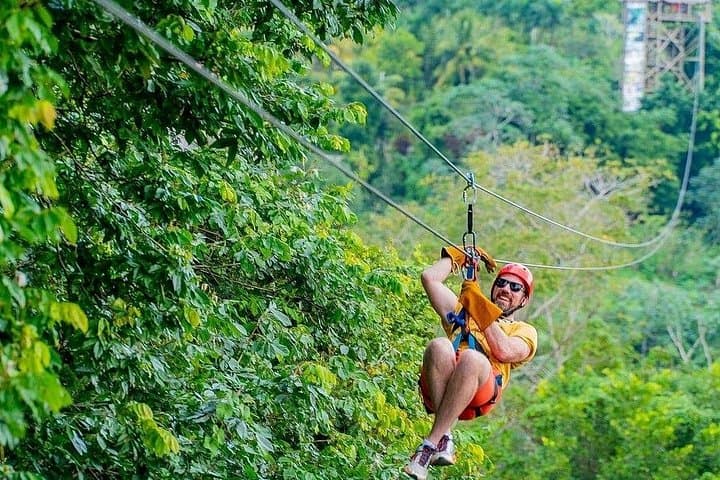
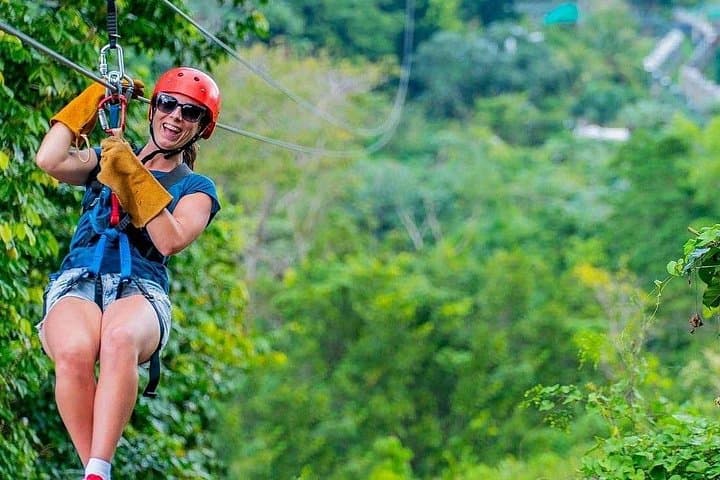
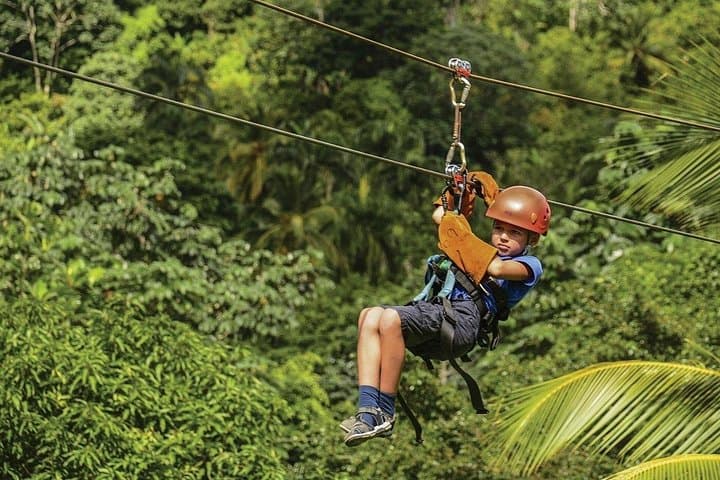
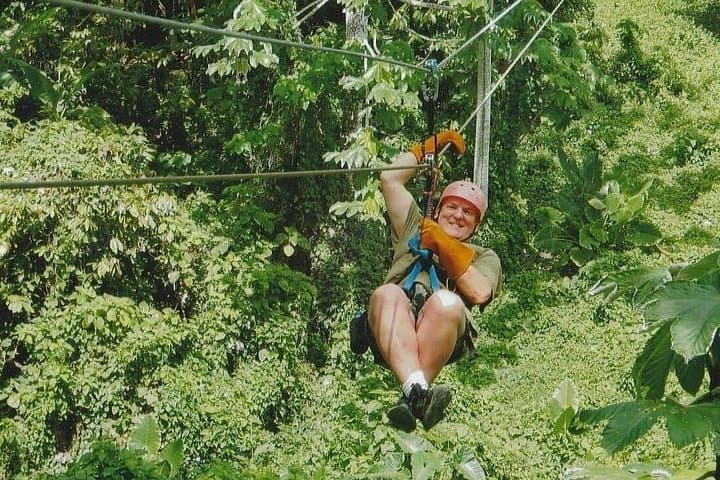
The first run starts with a heartbeat and a grin. At the base camp, guides snug the harness, click the carabiners and count off safety checks in practiced rhythm; palms brush humid air as vans roll away from the resort strip and into green that rises behind Punta Cana’s beaches. Within minutes the treetops open and seven parallel cables unfurl like a metal highway across the rainforest — an invitation to sprint the sky with a partner.
Verified experiences and guided adventures in the surrounding area.
Operated by Naiff Adventure PC · Punta Cana, La Altagracia
The first run starts with a heartbeat and a grin. At the base camp, guides snug the harness, click the carabiners and count off safety checks in practiced rhythm; palms brush humid air as vans roll away from the resort strip and into green that rises behind Punta Cana’s beaches. Within minutes the treetops open and seven parallel cables unfurl like a metal highway across the rainforest — an invitation to sprint the sky with a partner.
This three-hour outing — roughly 90–120 minutes of zipping — balances adrenaline with accessibility. The ropes course and zipline networks around Punta Cana sit on low limestone ridges formed when the Caribbean plate lifted coastal plain sediments ages ago. Those same ridges collect freshwater, feed small lagoons and nurture tropical dry forest species that predate the tourist boom of the 1970s and ’80s, when hotels reoriented the landscape toward beach tourism.
Locals in La Altagracia province still recall the Taíno and early colonial eras in place names and small coastal settlements. Today zipline operators emphasize cultural ties and safety: tours are run by guides trained in rescue protocols, and the company-provided gear meets international standards. Riders race in pairs across seven cables, trading whoops and camera clicks as the forest palm fronds blur beneath.
Beyond the thrill, the adventure is an efficient way to see inland Punta Cana: a short drive from hotels, a thorough safety briefing, the glide, then a calm return to base with bottles of water and shade to cool down. Guides often point out local plants and birds — a quick primer in the island’s ecology that adds texture to the ride.
Practicalities matter. Wear closed-toe sneakers and breathable layers; nylon or quick-dry clothes are best. Expect humidity and sun — sunscreen and a hat for transit are smart — and plan for bug spray if you’re sensitive near the forest edge. The operator provides helmets, harnesses and gloves, and an air-conditioned vehicle handles hotel pickup across the Punta Cana/Bávaro corridor.
This tour is built for a wide range of travelers: it’s physically undemanding but requires you to be comfortable with heights. If you have heart conditions, are pregnant or have serious mobility concerns, this is not recommended. For everyone else, the run is a compact, well-supervised rush that pairs seaside vacationing with a clear-eyed taste of the Dominican interior.
Timing tips: book morning slots to avoid rising winds and the hottest sun. Bring a small camera with a wrist strap or use the guide’s suggested mounting points; operators will also often offer photos or video for purchase. When you land, take a minute to listen — the forest has a way of settling back into its quieter rhythms once the zippers stop.
No — guides provide a full safety briefing and teach basic braking and body position before the first line.
Yes — the operator supplies helmets, full-body or sit harnesses, carabiners and gloves as part of the tour.
Limits vary by cable; expect minimum age around 6–8 and operator-set weight restrictions for safety — confirm when booking.
Yes — most hotels in Punta Cana and Bavaro are included; the tour provides a pickup phone number after booking.
Please check with the operator about photo packages; they often offer staff shots for purchase.
The tour typically proceeds in light rain, but operators will cancel for safety in heavy storms; check the cancellation window (full refund if canceled 24+ hours ahead).
Naiff Adventure PC operates guided outdoor trips and adventures with an emphasis on safety, stewardship, and memorable experiences.
The first run starts with a heartbeat and a grin. At the base camp, guides snug the harness, click the carabiners and count off safety checks in practiced rhythm; palms brush humid air as vans roll away from the resort strip and into green that rises behind Punta Cana’s beaches. Within minutes the treetops open and seven parallel cables unfurl like a metal highway across the rainforest — an invitation to sprint the sky with a partner.
The first run starts with a heartbeat and a grin. At the base camp, guides snug the harness, click the carabiners and count off safety checks in practiced rhythm; palms brush humid air as vans roll away from the resort strip and into green that rises behind Punta Cana’s beaches. Within minutes the treetops open and seven parallel cables unfurl like a metal highway across the rainforest — an invitation to sprint the sky with a partner.
This three-hour outing — roughly 90–120 minutes of zipping — balances adrenaline with accessibility. The ropes course and zipline networks around Punta Cana sit on low limestone ridges formed when the Caribbean plate lifted coastal plain sediments ages ago. Those same ridges collect freshwater, feed small lagoons and nurture tropical dry forest species that predate the tourist boom of the 1970s and ’80s, when hotels reoriented the landscape toward beach tourism.
Locals in La Altagracia province still recall the Taíno and early colonial eras in place names and small coastal settlements. Today zipline operators emphasize cultural ties and safety: tours are run by guides trained in rescue protocols, and the company-provided gear meets international standards. Riders race in pairs across seven cables, trading whoops and camera clicks as the forest palm fronds blur beneath.
Beyond the thrill, the adventure is an efficient way to see inland Punta Cana: a short drive from hotels, a thorough safety briefing, the glide, then a calm return to base with bottles of water and shade to cool down. Guides often point out local plants and birds — a quick primer in the island’s ecology that adds texture to the ride.
Practicalities matter. Wear closed-toe sneakers and breathable layers; nylon or quick-dry clothes are best. Expect humidity and sun — sunscreen and a hat for transit are smart — and plan for bug spray if you’re sensitive near the forest edge. The operator provides helmets, harnesses and gloves, and an air-conditioned vehicle handles hotel pickup across the Punta Cana/Bávaro corridor.
This tour is built for a wide range of travelers: it’s physically undemanding but requires you to be comfortable with heights. If you have heart conditions, are pregnant or have serious mobility concerns, this is not recommended. For everyone else, the run is a compact, well-supervised rush that pairs seaside vacationing with a clear-eyed taste of the Dominican interior.
Timing tips: book morning slots to avoid rising winds and the hottest sun. Bring a small camera with a wrist strap or use the guide’s suggested mounting points; operators will also often offer photos or video for purchase. When you land, take a minute to listen — the forest has a way of settling back into its quieter rhythms once the zippers stop.