THE ADVENTURE COLLECTIVE® · Independent discovery and booking for outdoor travel

Swap Dubai’s high-rises for limestone heights and shaded oasis paths on this full-day Al Ain tour. Expect fossil-strewn cliffs at Jebel Hafeet, a UNESCO oasis, and an up-close look at camel culture and traditional forts.
Swap Dubai’s high-rises for limestone heights and shaded oasis paths on this full-day Al Ain tour. Expect fossil-strewn cliffs at Jebel Hafeet, a UNESCO oasis, and an up-close look at camel culture and traditional forts.
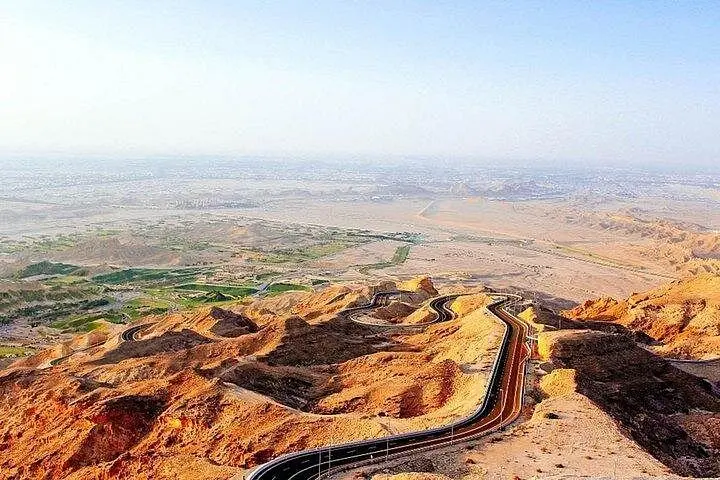
A morning drive east from Dubai drops the city skyline behind you and ushers in a different Arabia: low dunes give way to the craggy silhouette of Jebel Hafeet, and the air cools above stone that has held fossils for millions of years.
Verified experiences and guided adventures in the surrounding area.
Operated by Arabian Destination Tourism Dubai · Al Ain, Abu Dhabi
A morning drive east from Dubai drops the city skyline behind you and ushers in a different Arabia: low dunes give way to the craggy silhouette of Jebel Hafeet, and the air cools above stone that has held fossils for millions of years.
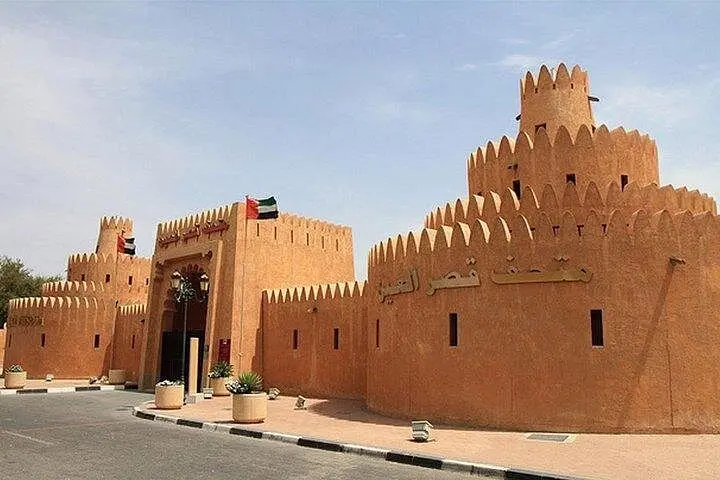
In Al Ain, history is tangible — Bronze Age tumuli, a UNESCO-listed oasis fed by ancient falaj irrigation, and forts that mark the seat of Emirati sheikhs. Visitors move between Al Jahili Fort and the restored Al Ain Palace Museum and feel the pragmatic dignity of a place built around wells, camel breeds and family rule rather than spectacle.
Geology is visible at Jebel Hafeet, a limestone massif whose weathered ribs reveal marine fossils and create terraces where hot springs collect at the mountain’s foot. The oasis itself is agricultural engineering: shaded paths trace channels that still irrigate date palms and farms, a living system that sustained people here for millennia.
Culturally, the camel market and livestock auction present an unvarnished look at animals central to Emirati life — a market of practical exchange, not a staged exhibit.
Practical guidance: plan an early start to avoid desert heat and traffic; carry water, sun protection and comfortable walking shoes for gravel and paved courtyards; allow time for photo stops at Jebel Hafeet and a slow walk through the shaded falaj paths. Wheelchair access is generally available in main sites, but showers and springs at Green Mubazzarah are best enjoyed with sturdy footwear. Expect a full 8-hour day that mixes short walks, photo stops and cultural visits—an efficient, terrain-light introduction to Al Ain’s layered landscape.
The tour runs about 8 hours and typically includes hotel pickup/drop-off, admission to select sites (Al Jahili Fort, certain museums), bottled water and a guided itinerary of Al Ain highlights.
Major sites on the route report wheelchair-accessible areas and transport can accommodate wheelchairs, but confirm specific mobility needs at booking to ensure arrangements are available.
Yes — the road to Jebel Hafeet summit is drivable with photo stops; walking to the peak is steeper and not necessary to enjoy the views and geological features.
Autumn through spring offers milder temperatures and more comfortable touring conditions; early mornings or late afternoons provide the best light and cooler air.
Arabian Destination Tourism Dubai operates guided outdoor trips and adventures with an emphasis on safety, stewardship, and memorable experiences.
A morning drive east from Dubai drops the city skyline behind you and ushers in a different Arabia: low dunes give way to the craggy silhouette of Jebel Hafeet, and the air cools above stone that has held fossils for millions of years.
A morning drive east from Dubai drops the city skyline behind you and ushers in a different Arabia: low dunes give way to the craggy silhouette of Jebel Hafeet, and the air cools above stone that has held fossils for millions of years.
In Al Ain, history is tangible — Bronze Age tumuli, a UNESCO-listed oasis fed by ancient falaj irrigation, and forts that mark the seat of Emirati sheikhs. Visitors move between Al Jahili Fort and the restored Al Ain Palace Museum and feel the pragmatic dignity of a place built around wells, camel breeds and family rule rather than spectacle.
Geology is visible at Jebel Hafeet, a limestone massif whose weathered ribs reveal marine fossils and create terraces where hot springs collect at the mountain’s foot. The oasis itself is agricultural engineering: shaded paths trace channels that still irrigate date palms and farms, a living system that sustained people here for millennia.
Culturally, the camel market and livestock auction present an unvarnished look at animals central to Emirati life — a market of practical exchange, not a staged exhibit.
Practical guidance: plan an early start to avoid desert heat and traffic; carry water, sun protection and comfortable walking shoes for gravel and paved courtyards; allow time for photo stops at Jebel Hafeet and a slow walk through the shaded falaj paths. Wheelchair access is generally available in main sites, but showers and springs at Green Mubazzarah are best enjoyed with sturdy footwear. Expect a full 8-hour day that mixes short walks, photo stops and cultural visits—an efficient, terrain-light introduction to Al Ain’s layered landscape.