THE ADVENTURE COLLECTIVE® · Independent discovery and booking for outdoor travel

Trade Dubai’s skyline for rolling sand on a 6–7 hour 4x4 desert safari. Expect dune bashing, camel rides, sandboarding and an evening desert camp with cultural performances and a BBQ.
Trade Dubai’s skyline for rolling sand on a 6–7 hour 4x4 desert safari. Expect dune bashing, camel rides, sandboarding and an evening desert camp with cultural performances and a BBQ.
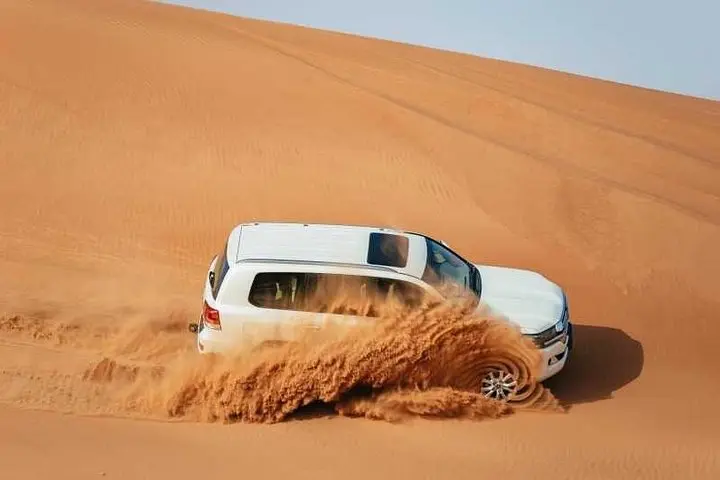
A late-afternoon Land Cruiser hums away from the city, cooling air-conditioning trading places with a rising wind of warm sand. Within an hour the skyline is a low line and the dunes open up—ridges of ochre and gold that rise and dare you to read their slopes. Drivers scope the contours, then push the vehicle: a stomach‑dropping crest, a soft tumble down a lee side, the 4x4 sculpting a transient track across loose sand.
Verified experiences and guided adventures in the surrounding area.
Operated by Ultimate Desert Safari · Dubai, Dubai
A late-afternoon Land Cruiser hums away from the city, cooling air-conditioning trading places with a rising wind of warm sand. Within an hour the skyline is a low line and the dunes open up—ridges of ochre and gold that rise and dare you to read their slopes. Drivers scope the contours, then push the vehicle: a stomach‑dropping crest, a soft tumble down a lee side, the 4x4 sculpting a transient track across loose sand.
This route crosses Lehbab and Al Awir, landscapes shaped by wind more than water. The deserts around Dubai were traditional grazing and caravan lands for Bedouin tribes; today the camp shows that cultural arc with camel rides, henna, Tanoura spinning and grilled lamb that nod to regional hospitality.
Geology here is straightforward—quartz sand atop weathered sediments; dunes migrate with wind direction, so each visit rearranges the terrain. Expect minimal vegetation, heat by day, cool nights and an active cultural program at the camp with belly dance and fire performances.
Practically: the tour lasts about 6–7 hours with hotel pickup and drop-off. Wear breathable layers, sturdy closed-toe shoes for sandboarding and walking, and protect skin and eyes from sun and blowing grit. Motion-sensitive travelers should sit toward the center of the vehicle and take anti-nausea measures if needed. Hydrate before and during the trip—bottled water is provided, but carry an extra bottle if you are sensitive to heat.
For photographers, bring a lens cloth—the fine sand is real—and plan to stay for sunset; the low light sculpts the dunes and makes the desert feel unexpectedly intimate.
Pickup from Dubai hotels is included; the full experience runs about 6–7 hours including travel time to and from the desert.
Dune bashing is not recommended for pregnant travelers or those with spinal or serious heart conditions; follow operator guidance on child seating and seat belts.
Yes—ATV and dune buggy options are often offered at the Lehbab staging area as paid add‑ons and require brief safety instruction.
Casual, modest clothing works well; many guests bring a light layer for cooler evenings. Costume photo props are provided at the camp if you want traditional dress pictures.
Ultimate Desert Safari operates guided outdoor trips and adventures with an emphasis on safety, stewardship, and memorable experiences.


A late-afternoon Land Cruiser hums away from the city, cooling air-conditioning trading places with a rising wind of warm sand. Within an hour the skyline is a low line and the dunes open up—ridges of ochre and gold that rise and dare you to read their slopes. Drivers scope the contours, then push the vehicle: a stomach‑dropping crest, a soft tumble down a lee side, the 4x4 sculpting a transient track across loose sand.
A late-afternoon Land Cruiser hums away from the city, cooling air-conditioning trading places with a rising wind of warm sand. Within an hour the skyline is a low line and the dunes open up—ridges of ochre and gold that rise and dare you to read their slopes. Drivers scope the contours, then push the vehicle: a stomach‑dropping crest, a soft tumble down a lee side, the 4x4 sculpting a transient track across loose sand.
This route crosses Lehbab and Al Awir, landscapes shaped by wind more than water. The deserts around Dubai were traditional grazing and caravan lands for Bedouin tribes; today the camp shows that cultural arc with camel rides, henna, Tanoura spinning and grilled lamb that nod to regional hospitality.
Geology here is straightforward—quartz sand atop weathered sediments; dunes migrate with wind direction, so each visit rearranges the terrain. Expect minimal vegetation, heat by day, cool nights and an active cultural program at the camp with belly dance and fire performances.
Practically: the tour lasts about 6–7 hours with hotel pickup and drop-off. Wear breathable layers, sturdy closed-toe shoes for sandboarding and walking, and protect skin and eyes from sun and blowing grit. Motion-sensitive travelers should sit toward the center of the vehicle and take anti-nausea measures if needed. Hydrate before and during the trip—bottled water is provided, but carry an extra bottle if you are sensitive to heat.
For photographers, bring a lens cloth—the fine sand is real—and plan to stay for sunset; the low light sculpts the dunes and makes the desert feel unexpectedly intimate.