THE ADVENTURE COLLECTIVE® · Independent discovery and booking for outdoor travel

Perch 150 meters above Zabeel Park and get 360° panoramas that stitch old Dubai to its glass-and-steel future. This practical guide explains what to expect, when to go, and how to plan your visit to the Dubai Frame.
Perch 150 meters above Zabeel Park and get 360° panoramas that stitch old Dubai to its glass-and-steel future. This practical guide explains what to expect, when to go, and how to plan your visit to the Dubai Frame.
Step onto the Dubai Frame’s glass sky bridge and the city rearranges itself: to your left, the low-lying lanes and traditional rooftops of old Dubai; to your right, a serrated skyline led by Burj Khalifa. The 150‑meter-high deck gives a literal and visual cross-section of the emirate—one eye on heritage, the other on hypermodern ambition.
Verified experiences and guided adventures in the surrounding area.
Operated by Al Rose Travel · Dubai, Dubai
Step onto the Dubai Frame’s glass sky bridge and the city rearranges itself: to your left, the low-lying lanes and traditional rooftops of old Dubai; to your right, a serrated skyline led by Burj Khalifa. The 150‑meter-high deck gives a literal and visual cross-section of the emirate—one eye on heritage, the other on hypermodern ambition.
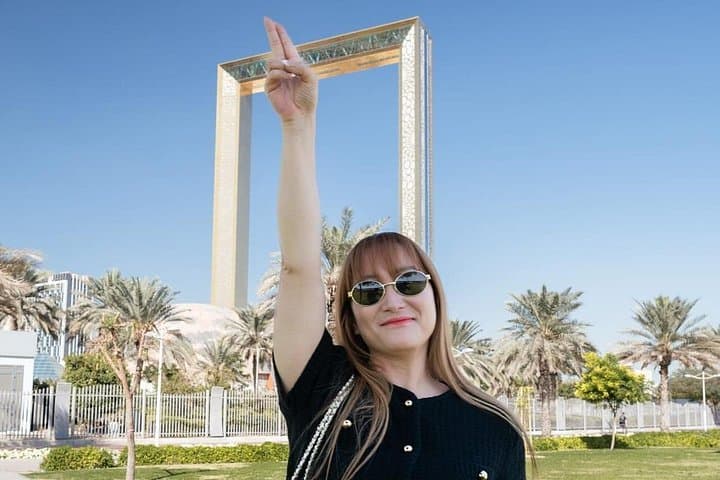
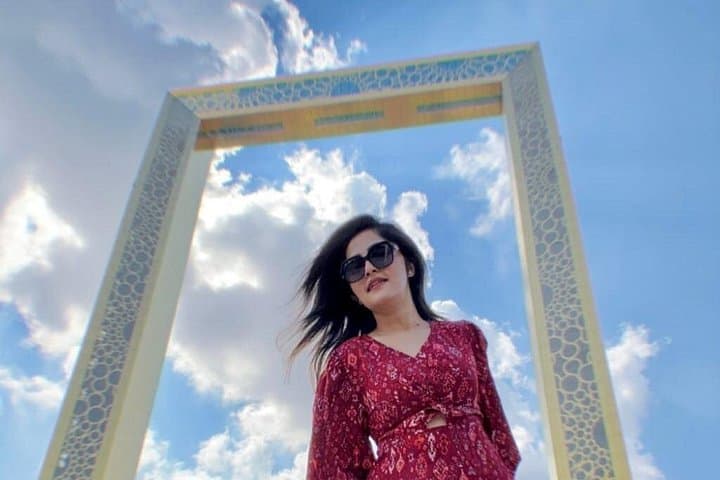
The Frame opened in 2018 as a civic landmark designed to frame Dubai’s rapid transformation. Built above Zabeel Park, the structure uses golden cladding and a suspended gallery to contrast with the flat, sandy plain that supported the original pearl‑fishing settlements. Inside, exhibits trace the emirate’s shift from creekside trading post to global metropolis, while the glass floor and Virtual Metropolis installation project the city’s future growth.
Visit during early morning or within the hour before sunset for the best light and cooler temperatures; the view changes fast as the sun slides across the Gulf. Expect paved access through Zabeel Park, security screening, and short queues even with skip‑the‑line tickets. The experience is largely nontechnical—steady footing for the glass floor and a tolerance for heights are the main requirements.
Practical notes: bring ID for entry, carry a small bag (large items are restricted), and plan 2–3 hours if you include exhibits and transfers. Keep cameras ready—the Frame is built to make you choose a side and look: the city’s past asking for a second glance, the future daring you to imagine what comes next.
The sky bridge sits about 150 meters above ground and offers 360° views of both old and new Dubai.
Yes—tickets are timed and a valid photo ID or passport is required at entry; timed tickets help manage capacity.
The glass is engineered for public safety; children may enjoy it while those uncomfortable with heights can stay on the solid decking.
The Dubai Frame provides step-free access and elevators; however, check with the operator ahead of time for specific assistance needs.
Al Rose Travel operates guided outdoor trips and adventures with an emphasis on safety, stewardship, and memorable experiences.


Step onto the Dubai Frame’s glass sky bridge and the city rearranges itself: to your left, the low-lying lanes and traditional rooftops of old Dubai; to your right, a serrated skyline led by Burj Khalifa. The 150‑meter-high deck gives a literal and visual cross-section of the emirate—one eye on heritage, the other on hypermodern ambition.
Step onto the Dubai Frame’s glass sky bridge and the city rearranges itself: to your left, the low-lying lanes and traditional rooftops of old Dubai; to your right, a serrated skyline led by Burj Khalifa. The 150‑meter-high deck gives a literal and visual cross-section of the emirate—one eye on heritage, the other on hypermodern ambition.
The Frame opened in 2018 as a civic landmark designed to frame Dubai’s rapid transformation. Built above Zabeel Park, the structure uses golden cladding and a suspended gallery to contrast with the flat, sandy plain that supported the original pearl‑fishing settlements. Inside, exhibits trace the emirate’s shift from creekside trading post to global metropolis, while the glass floor and Virtual Metropolis installation project the city’s future growth.
Visit during early morning or within the hour before sunset for the best light and cooler temperatures; the view changes fast as the sun slides across the Gulf. Expect paved access through Zabeel Park, security screening, and short queues even with skip‑the‑line tickets. The experience is largely nontechnical—steady footing for the glass floor and a tolerance for heights are the main requirements.
Practical notes: bring ID for entry, carry a small bag (large items are restricted), and plan 2–3 hours if you include exhibits and transfers. Keep cameras ready—the Frame is built to make you choose a side and look: the city’s past asking for a second glance, the future daring you to imagine what comes next.