THE ADVENTURE COLLECTIVE® · Independent discovery and booking for outdoor travel

Walk Al Bastakiya’s narrow lanes, ride a traditional abra on Dubai Creek, and haggle through the spice and gold souks on a compact half-day tour. This guided route pairs historical context with practical tips for seeing Old Dubai in comfort.
Walk Al Bastakiya’s narrow lanes, ride a traditional abra on Dubai Creek, and haggle through the spice and gold souks on a compact half-day tour. This guided route pairs historical context with practical tips for seeing Old Dubai in comfort.
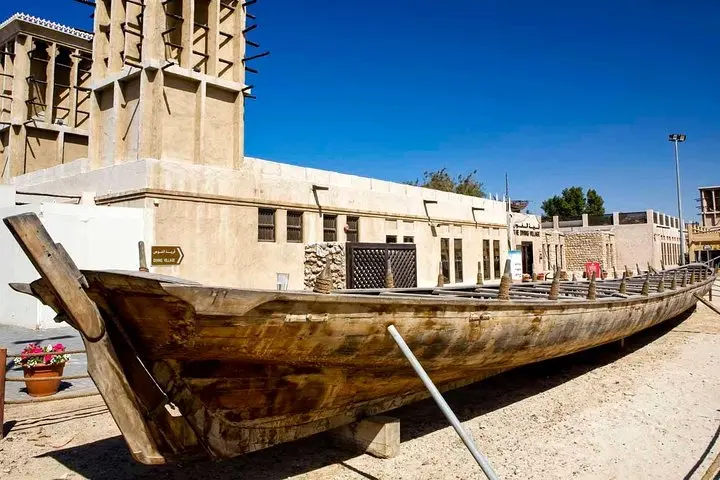
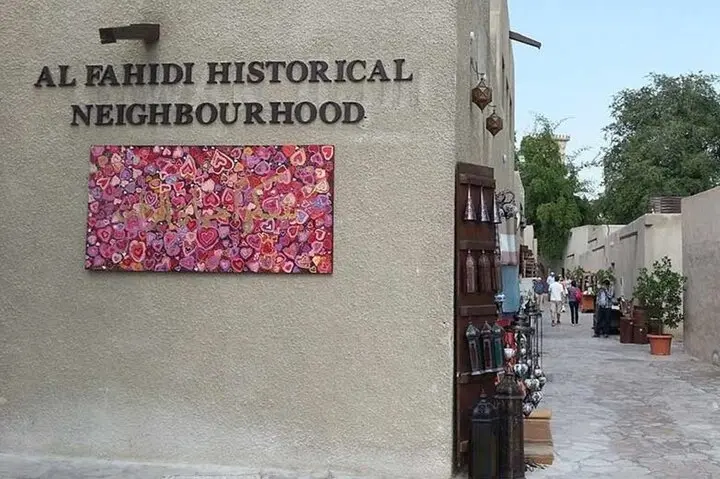
Sunlight sharpens the edges of wind towers as the minivan eases into the narrow lanes of Al Bastakiya, and the scent of spices threads through the air like a dare. The Dubai Heritage Tour drops travelers into the city’s older skin — 19th-century lanes, a modest fort-turned-museum, and the busy shimmer of Dubai Creek where wooden abras cut wakes like punctuation in a long conversation.
Verified experiences and guided adventures in the surrounding area.
Operated by RAH Tourism L.L.C - Dubai · Dubai, Dubai
Sunlight sharpens the edges of wind towers as the minivan eases into the narrow lanes of Al Bastakiya, and the scent of spices threads through the air like a dare. The Dubai Heritage Tour drops travelers into the city’s older skin — 19th-century lanes, a modest fort-turned-museum, and the busy shimmer of Dubai Creek where wooden abras cut wakes like punctuation in a long conversation.
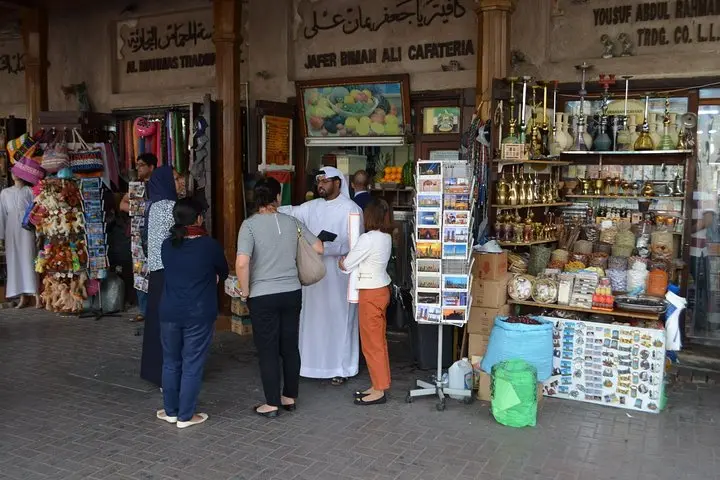
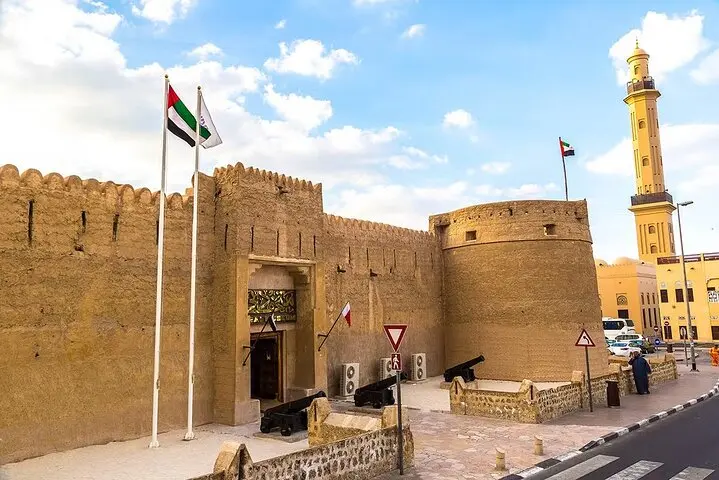
This is history in layers: Al Bastakiya was built by Persian merchants rebuilding their lives beside the creek; Al Fahidi Fort houses Dubai Museum and shows the city before oil transformed it. Geologically, the creek’s tidal inlet shaped early settlement patterns, creating a natural harbor that anchored pearling and trade. Culturally, Deira’s spice and gold souks remain marketplaces of commerce and ritual, where bargaining is part practical negotiation and part social game.
Practical guidance is straightforward. Expect four hours of mostly flat walking on paved and packed-sand surfaces, with short abra crossings and plenty of stops for photos and architecture. Bring sun protection and water; the sun on the creek is decisive, and shade is intermittent. Comfortable walking shoes are essential — some alleyways are uneven — and modest dress is appropriate around religious sites. Mornings are cooler and less crowded; late afternoon light favors photography.
The tour balances curated historical context with sensory moments: the creek’s water half-reflecting the skyline, the spice-souk aromas that push forward like an insistence to explore, and a compact route that makes Dubai’s past legible in a single half-day.
The itinerary runs about four hours, including stops at Al Bastakiya, Dubai Museum, an abra ride on Dubai Creek, and the spice and gold souks.
Yes — hotel pickup and drop-off in Dubai via air-conditioned minivan are included in the booking.
The standard tour includes Dubai Museum and an abra ride; check the operator’s details for any optional paid activities.
Yes — the tour is rated easy with minimal walking on flat terrain, but participants should be able to board an abra and stand during short stops.
RAH Tourism L.L.C - Dubai operates guided outdoor trips and adventures with an emphasis on safety, stewardship, and memorable experiences.
Sunlight sharpens the edges of wind towers as the minivan eases into the narrow lanes of Al Bastakiya, and the scent of spices threads through the air like a dare. The Dubai Heritage Tour drops travelers into the city’s older skin — 19th-century lanes, a modest fort-turned-museum, and the busy shimmer of Dubai Creek where wooden abras cut wakes like punctuation in a long conversation.
Sunlight sharpens the edges of wind towers as the minivan eases into the narrow lanes of Al Bastakiya, and the scent of spices threads through the air like a dare. The Dubai Heritage Tour drops travelers into the city’s older skin — 19th-century lanes, a modest fort-turned-museum, and the busy shimmer of Dubai Creek where wooden abras cut wakes like punctuation in a long conversation.
This is history in layers: Al Bastakiya was built by Persian merchants rebuilding their lives beside the creek; Al Fahidi Fort houses Dubai Museum and shows the city before oil transformed it. Geologically, the creek’s tidal inlet shaped early settlement patterns, creating a natural harbor that anchored pearling and trade. Culturally, Deira’s spice and gold souks remain marketplaces of commerce and ritual, where bargaining is part practical negotiation and part social game.
Practical guidance is straightforward. Expect four hours of mostly flat walking on paved and packed-sand surfaces, with short abra crossings and plenty of stops for photos and architecture. Bring sun protection and water; the sun on the creek is decisive, and shade is intermittent. Comfortable walking shoes are essential — some alleyways are uneven — and modest dress is appropriate around religious sites. Mornings are cooler and less crowded; late afternoon light favors photography.
The tour balances curated historical context with sensory moments: the creek’s water half-reflecting the skyline, the spice-souk aromas that push forward like an insistence to explore, and a compact route that makes Dubai’s past legible in a single half-day.