THE ADVENTURE COLLECTIVE® · Independent discovery and booking for outdoor travel

Explore the world's largest natural flower garden with convenient round‑trip hotel transfers. Spend 2–3 hours amid sculpted floral displays—including a life‑size A380—and practical accessibility features for all ages.
Explore the world's largest natural flower garden with convenient round‑trip hotel transfers. Spend 2–3 hours amid sculpted floral displays—including a life‑size A380—and practical accessibility features for all ages.
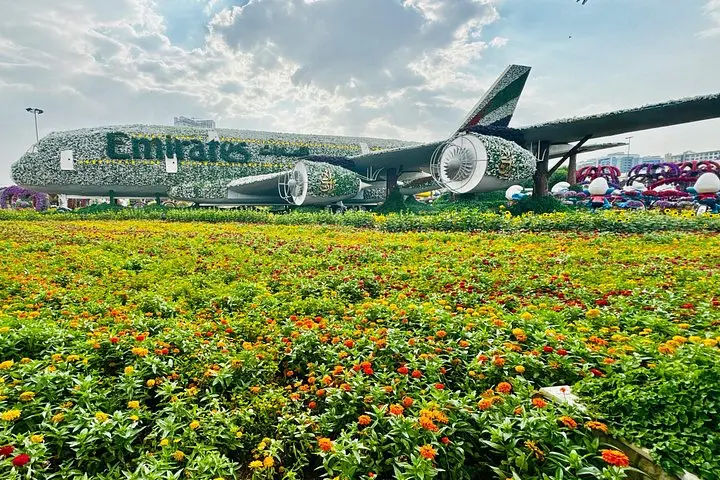
Stepping through the gate at Dubai Miracle Garden feels like walking into an oasis that refuses to behave like the desert around it: arches of roses and planes of petunias lean into the path, while a life‑size Emirates A380 rendered in flowers greets visitors like an improbable, blooming aircraft.
Verified experiences and guided adventures in the surrounding area.
Operated by Arabian Falcon Tourism · Dubai, Dubai
Stepping through the gate at Dubai Miracle Garden feels like walking into an oasis that refuses to behave like the desert around it: arches of roses and planes of petunias lean into the path, while a life‑size Emirates A380 rendered in flowers greets visitors like an improbable, blooming aircraft.
Opened in the early 2010s as part of Dubai’s push to diversify leisure offerings, the garden sits on reclaimed land in Dubailand and showcases horticultural engineering—soil mixes, drip irrigation and shading strategies—that keep millions of flowers thriving in an arid climate. The displays nod to local culture with Arabic script arrangements and global motifs that reflect Dubai’s role as a crossroads.
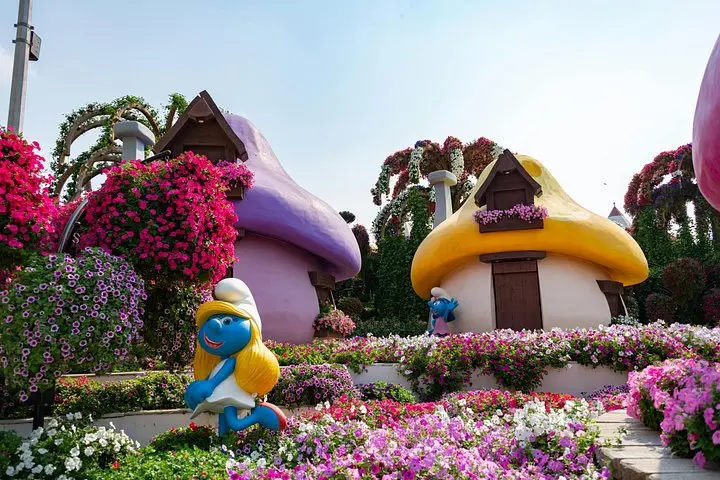
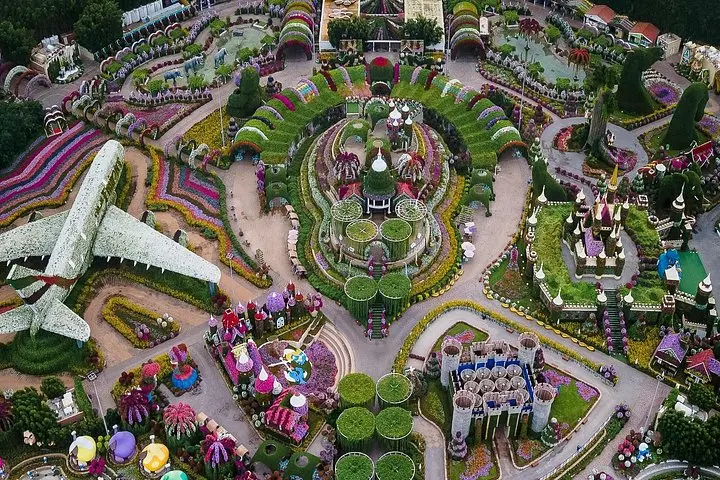
Visitors should expect paved walking routes, sculpted installations—including giant heart arches and thematic pavilions—and seasonal changes in color and species. The garden attracts urban wildlife: bees and butterflies are frequent, and water features invite migratory birds on occasion. The site is family friendly, largely flat, and fully accessible by wheelchair.
Practically, plan 2–3 hours to move slowly and photograph; mornings and late afternoons offer cooler light and smaller crowds. Transfers pick you up in an air‑conditioned vehicle and drop you back at your hotel, simplifying logistics. Wear sun protection and comfortable shoes, carry a refillable bottle (bottled water is usually available), and expect moderate walking on paved surfaces. Weekends and public holidays are busiest—book in advance if you want a specific entry time. The garden’s maintenance is resource intensive, so follow on‑site guidance to minimize trampling and stay on designated paths.
Visitors typically spend 2–3 hours exploring the gardens at a relaxed pace, including time for photos and short rests.
Hotel transfers are provided from most Dubai hotels; confirm your pickup location during booking and allow time for shared shuttles.
Yes—paths are paved and many areas are wheelchair accessible, and transport options include wheelchair‑accessible vehicles.
Early morning or late afternoon offers the best light and cooler temperatures; weekdays avoid the largest crowds.
Arabian Falcon Tourism operates guided outdoor trips and adventures with an emphasis on safety, stewardship, and memorable experiences.

Stepping through the gate at Dubai Miracle Garden feels like walking into an oasis that refuses to behave like the desert around it: arches of roses and planes of petunias lean into the path, while a life‑size Emirates A380 rendered in flowers greets visitors like an improbable, blooming aircraft.
Stepping through the gate at Dubai Miracle Garden feels like walking into an oasis that refuses to behave like the desert around it: arches of roses and planes of petunias lean into the path, while a life‑size Emirates A380 rendered in flowers greets visitors like an improbable, blooming aircraft.
Opened in the early 2010s as part of Dubai’s push to diversify leisure offerings, the garden sits on reclaimed land in Dubailand and showcases horticultural engineering—soil mixes, drip irrigation and shading strategies—that keep millions of flowers thriving in an arid climate. The displays nod to local culture with Arabic script arrangements and global motifs that reflect Dubai’s role as a crossroads.
Visitors should expect paved walking routes, sculpted installations—including giant heart arches and thematic pavilions—and seasonal changes in color and species. The garden attracts urban wildlife: bees and butterflies are frequent, and water features invite migratory birds on occasion. The site is family friendly, largely flat, and fully accessible by wheelchair.
Practically, plan 2–3 hours to move slowly and photograph; mornings and late afternoons offer cooler light and smaller crowds. Transfers pick you up in an air‑conditioned vehicle and drop you back at your hotel, simplifying logistics. Wear sun protection and comfortable shoes, carry a refillable bottle (bottled water is usually available), and expect moderate walking on paved surfaces. Weekends and public holidays are busiest—book in advance if you want a specific entry time. The garden’s maintenance is resource intensive, so follow on‑site guidance to minimize trampling and stay on designated paths.