THE ADVENTURE COLLECTIVE® · Independent discovery and booking for outdoor travel

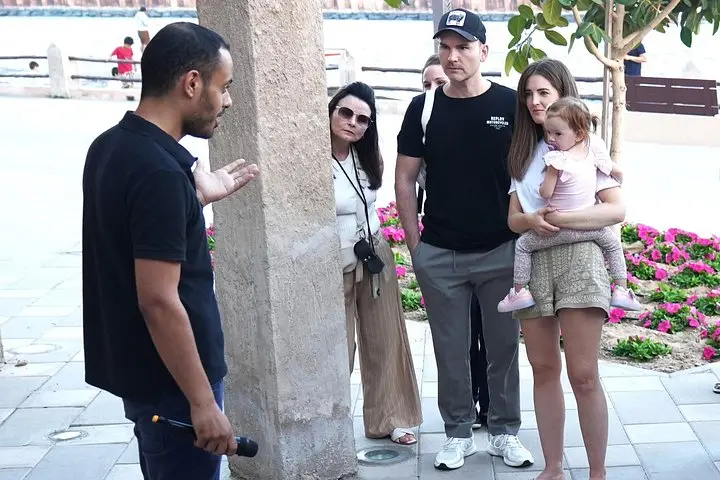
Walk the banks of Dubai Creek, ride a traditional abra and navigate the Gold, Spice and Textile souks while a local guide explains the city’s mercantile past. A compact 2–3 hour tour that places old Dubai’s architecture, markets and waterfront life front and center.
Walk the banks of Dubai Creek, ride a traditional abra and navigate the Gold, Spice and Textile souks while a local guide explains the city’s mercantile past. A compact 2–3 hour tour that places old Dubai’s architecture, markets and waterfront life front and center.
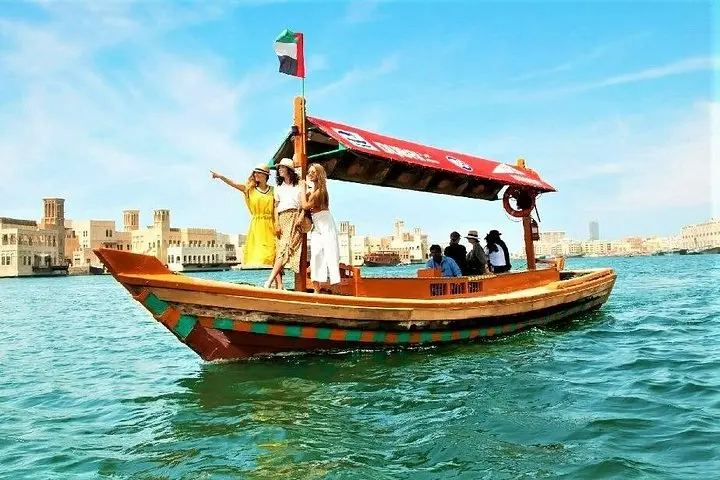
Morning light slants across Dubai Creek as a wooden abra cuts a dark line through the water, ferrying traders and tourists between Deira and Bur Dubai. The air smells of frankincense, frying dough and warm metal; vendors call across narrow alleys while wind towers cast long, geometric shadows on sand‑coloured walls.
Verified experiences and guided adventures in the surrounding area.
Operated by Adventure Premium Travel · Dubai, Dubai
Morning light slants across Dubai Creek as a wooden abra cuts a dark line through the water, ferrying traders and tourists between Deira and Bur Dubai. The air smells of frankincense, frying dough and warm metal; vendors call across narrow alleys while wind towers cast long, geometric shadows on sand‑coloured walls.
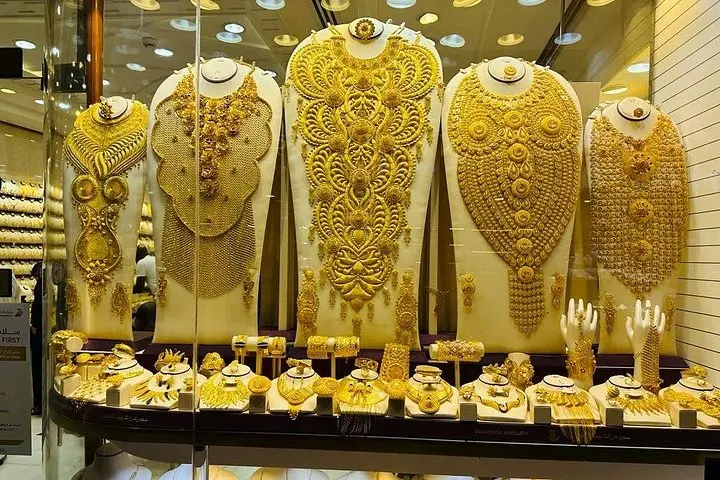
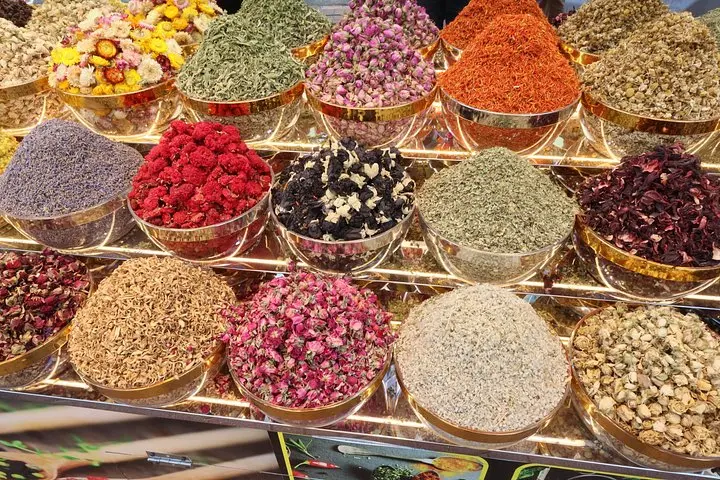
This tour threads through the city’s oldest quarter: Al Fahidi Historical Neighbourhood and the Bastakiya Quarter—districts shaped by pearling, trade and migration from southern Iran in the 19th century. Dubai Creek, a natural tidal inlet, formed the emirate’s original port and still defines the flow of goods and people. The Gold and Spice souks sit on either bank, their lanes a living archive of commerce: ropes of spices, bolts of textile, and vitrines of intricate jewellery speak to centuries of mercantile craft.
Expect close‑quartered walking on uneven stone and wooden jetty surfaces, brief museum stops such as Al Fahidi Fort, and a short abra crossing that gives a waterfront perspective on cargo dhows and waterfront cafés. Guides typically point out the wind‑tower architecture, traditional boatbuilding, and the city’s shift from pearl‑based economy to global trade hub.
Practical guidance: schedule the walk in cooler parts of the day, carry water and sun protection, and wear closed shoes for alleyways and souk thresholds. Bring small bills for bargaining, a secure bag for crowds, and an open appetite—street snacks and freshly squeezed juices are part of the route. The tour is compact, sensory and historically textured—an efficient way to feel old Dubai amid a rapidly modernizing skyline.
The abra crossing segments are short—typically 10–20 minutes total—used to move between creek banks and to view the waterfront.
Yes; vendors expect polite bargaining. Start around 30–50% below the asking price and negotiate up from there with small cash notes.
This tour lists admission to Dubai Museum and Al Fahidi Fort as included, but confirm at booking if there are any seasonal closures.
The route includes narrow lanes, uneven surfaces and abra jetties, so it’s not fully wheelchair accessible and strollers can be challenging.
Adventure Premium Travel operates guided outdoor trips and adventures with an emphasis on safety, stewardship, and memorable experiences.
Morning light slants across Dubai Creek as a wooden abra cuts a dark line through the water, ferrying traders and tourists between Deira and Bur Dubai. The air smells of frankincense, frying dough and warm metal; vendors call across narrow alleys while wind towers cast long, geometric shadows on sand‑coloured walls.
Morning light slants across Dubai Creek as a wooden abra cuts a dark line through the water, ferrying traders and tourists between Deira and Bur Dubai. The air smells of frankincense, frying dough and warm metal; vendors call across narrow alleys while wind towers cast long, geometric shadows on sand‑coloured walls.
This tour threads through the city’s oldest quarter: Al Fahidi Historical Neighbourhood and the Bastakiya Quarter—districts shaped by pearling, trade and migration from southern Iran in the 19th century. Dubai Creek, a natural tidal inlet, formed the emirate’s original port and still defines the flow of goods and people. The Gold and Spice souks sit on either bank, their lanes a living archive of commerce: ropes of spices, bolts of textile, and vitrines of intricate jewellery speak to centuries of mercantile craft.
Expect close‑quartered walking on uneven stone and wooden jetty surfaces, brief museum stops such as Al Fahidi Fort, and a short abra crossing that gives a waterfront perspective on cargo dhows and waterfront cafés. Guides typically point out the wind‑tower architecture, traditional boatbuilding, and the city’s shift from pearl‑based economy to global trade hub.
Practical guidance: schedule the walk in cooler parts of the day, carry water and sun protection, and wear closed shoes for alleyways and souk thresholds. Bring small bills for bargaining, a secure bag for crowds, and an open appetite—street snacks and freshly squeezed juices are part of the route. The tour is compact, sensory and historically textured—an efficient way to feel old Dubai amid a rapidly modernizing skyline.