THE ADVENTURE COLLECTIVE® · Independent discovery and booking for outdoor travel

Explore Dubai Safari Park—400 hectares of themed villages, 250 species and guided explorer safaris. This practical guide helps you plan a full‑day visit with tips on timing, accessibility and must‑see zones.
Explore Dubai Safari Park—400 hectares of themed villages, 250 species and guided explorer safaris. This practical guide helps you plan a full‑day visit with tips on timing, accessibility and must‑see zones.
A dry wind tugs at the palms as you step through the park gates, and the sound of distant calls—giraffe grunts, bird chatter—unfolds across open savanna and shaded walkways. Dubai Safari Park stretches across roughly 400 hectares of reclaimed desert, a deliberate move from the old city zoo to a larger, more naturalistic home for more than 2,500 animals representing about 250 species.
Verified experiences and guided adventures in the surrounding area.
Operated by Bilal Ahmed · Dubai, Dubai
A dry wind tugs at the palms as you step through the park gates, and the sound of distant calls—giraffe grunts, bird chatter—unfolds across open savanna and shaded walkways. Dubai Safari Park stretches across roughly 400 hectares of reclaimed desert, a deliberate move from the old city zoo to a larger, more naturalistic home for more than 2,500 animals representing about 250 species.
The park is organized into themed villages: African Village gives priority to plains species like giraffes, zebras and lions; Asian Village showcases moon bears and gibbons; Arabian Desert highlights regional fauna adapted to dune life; Explorer Village runs a 35‑minute guided safari circuit; and the Children’s Farm focuses on hands‑on learning. The site opened in the late 2010s as a modern replacement for Dubai Zoo, designed with welfare and education in mind and built on flat alluvial sands typical of the coastal plain.
Expect a blend of open enclosures and shaded, climate‑controlled walkways—train shuttles operate on some ticket options and much of the park is wheelchair accessible. Plan 5–6 hours to see main zones, attend feeding times or the bird theatre, and use the Explorer add‑on if you want close vehicle‑based viewing. Practical prep: carry sun protection and refillable water, wear closed-toe walking shoes for mixed terrain, and aim for morning or late afternoon to avoid peak heat. The park balances spectacle with conservation messaging—follow posted rules during encounters and support scheduled educational talks to learn how the gardens and breeding programs help regional species recover.
Plan on 5–6 hours to cover the main villages, attend a show and include the 35‑minute Explorer safari if booked.
Some feeding sessions and encounters are included on certain ticket options—check whether you booked the Explorer or special encounter add‑ons.
Yes—pathways, transport options and many indoor areas are wheelchair accessible; contact visitor services for specific assistance needs.
Winter and the cooler months (November–March) offer the most comfortable conditions; within a day, mornings and late afternoons are best for animal activity.
Bilal Ahmed operates guided outdoor trips and adventures with an emphasis on safety, stewardship, and memorable experiences.
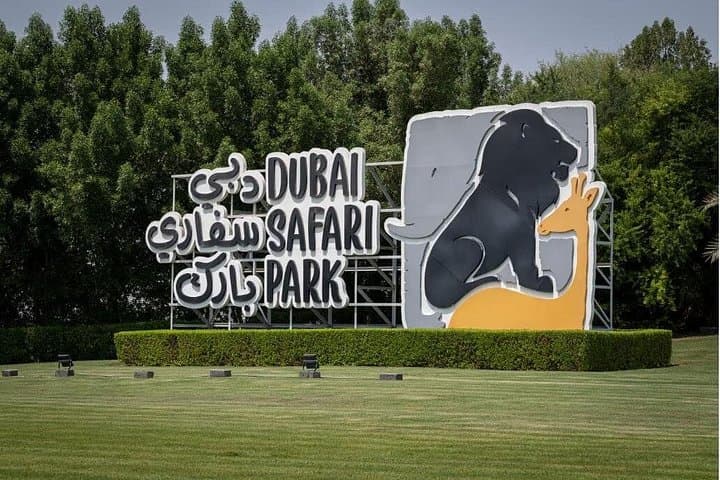
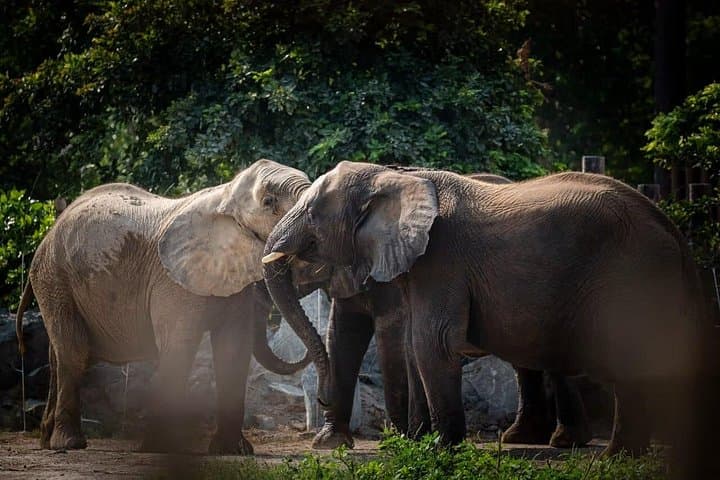

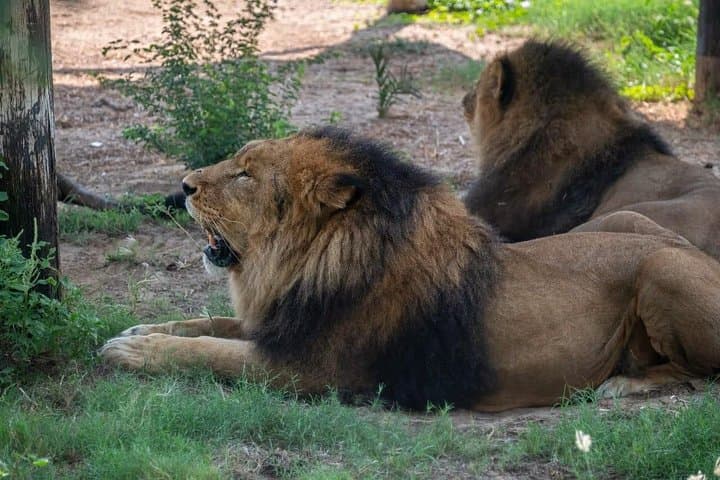
A dry wind tugs at the palms as you step through the park gates, and the sound of distant calls—giraffe grunts, bird chatter—unfolds across open savanna and shaded walkways. Dubai Safari Park stretches across roughly 400 hectares of reclaimed desert, a deliberate move from the old city zoo to a larger, more naturalistic home for more than 2,500 animals representing about 250 species.
A dry wind tugs at the palms as you step through the park gates, and the sound of distant calls—giraffe grunts, bird chatter—unfolds across open savanna and shaded walkways. Dubai Safari Park stretches across roughly 400 hectares of reclaimed desert, a deliberate move from the old city zoo to a larger, more naturalistic home for more than 2,500 animals representing about 250 species.
The park is organized into themed villages: African Village gives priority to plains species like giraffes, zebras and lions; Asian Village showcases moon bears and gibbons; Arabian Desert highlights regional fauna adapted to dune life; Explorer Village runs a 35‑minute guided safari circuit; and the Children’s Farm focuses on hands‑on learning. The site opened in the late 2010s as a modern replacement for Dubai Zoo, designed with welfare and education in mind and built on flat alluvial sands typical of the coastal plain.
Expect a blend of open enclosures and shaded, climate‑controlled walkways—train shuttles operate on some ticket options and much of the park is wheelchair accessible. Plan 5–6 hours to see main zones, attend feeding times or the bird theatre, and use the Explorer add‑on if you want close vehicle‑based viewing. Practical prep: carry sun protection and refillable water, wear closed-toe walking shoes for mixed terrain, and aim for morning or late afternoon to avoid peak heat. The park balances spectacle with conservation messaging—follow posted rules during encounters and support scheduled educational talks to learn how the gardens and breeding programs help regional species recover.