THE ADVENTURE COLLECTIVE® · Independent discovery and booking for outdoor travel

Lift off before sunrise for an hour above ochre dunes and the Dubai Desert Conservation Reserve. This early-morning balloon flight combines wildlife viewing—Arabian oryx, gazelles, roaming camels—with a gentle, panoramic introduction to the desert’s geology and Bedouin history.
Lift off before sunrise for an hour above ochre dunes and the Dubai Desert Conservation Reserve. This early-morning balloon flight combines wildlife viewing—Arabian oryx, gazelles, roaming camels—with a gentle, panoramic introduction to the desert’s geology and Bedouin history.
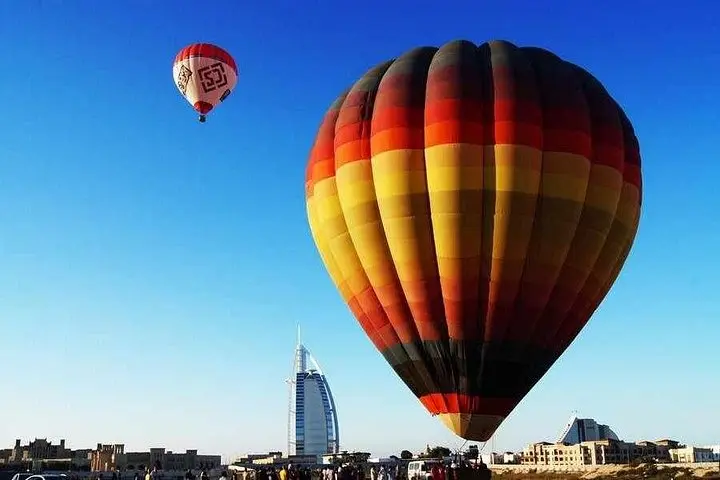
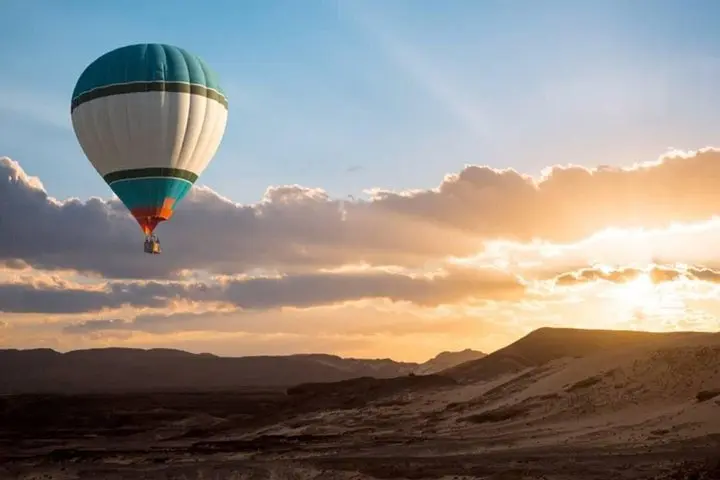
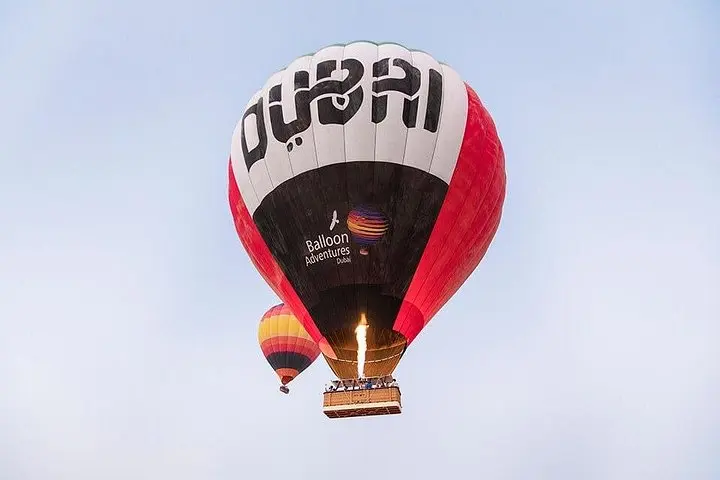
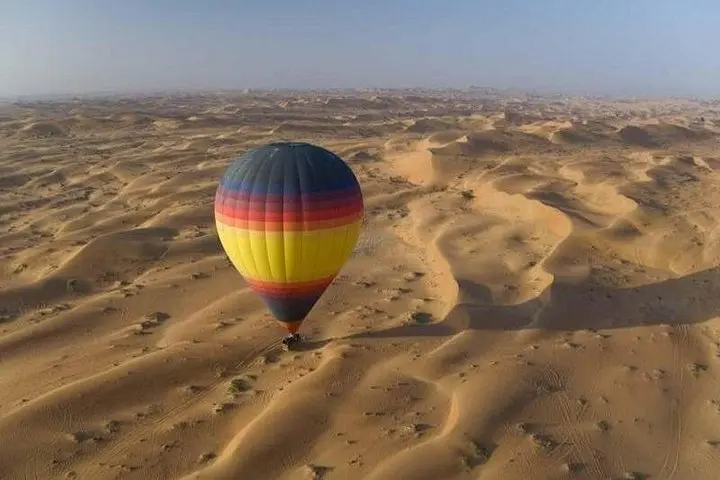
Before dawn the desert breathes cool—an expanse of ochre dunes folding away from the city lights. You meet the ground crew at 04:30 for a 45-minute transfer out of Dubai; by first light the balloon inflates and the basket lifts, carrying you gently to roughly 4,000 ft where the sun traces long shadows across sand ridges and the Hajar foothills sit like a distant spine.
Verified experiences and guided adventures in the surrounding area.
Operated by Dubai Egypt Travel · Dubai, Dubai
Before dawn the desert breathes cool—an expanse of ochre dunes folding away from the city lights. You meet the ground crew at 04:30 for a 45-minute transfer out of Dubai; by first light the balloon inflates and the basket lifts, carrying you gently to roughly 4,000 ft where the sun traces long shadows across sand ridges and the Hajar foothills sit like a distant spine.
This part of the Arabian Peninsula is recent in geological terms: wind-swept sand seas built from ancient mountain erosion and marine sediments now sculpted into sweeping dunes. The Dubai Desert Conservation Reserve was set aside to protect remnant desert habitat and reintroduce species such as the Arabian oryx; you’ll glimpse gazelles and camels moving like punctuation marks on the dunes below. The flight taps into Bedouin culture’s long relationship with desert skies—an aerial viewpoint that complements on-the-ground conservancy work.
Practical notes: expect a 40–70 minute airborne window depending on weather, plus hotel pickup and return—plan for a 3–4 hour commitment and a very early alarm. Dress in layers; temperatures drop before sunrise even in the Emirates. Bring a camera with a wide lens and an easy neck strap, and keep phones secure during takeoff and landing. The crew issues a safety briefing and a signed flight certificate; many packages include breakfast and a falcon photo stop.
Timing your visit between November and March gives the most comfortable conditions and stable morning thermals. Respect no-go zones and follow crew instructions—ballooning is low-impact, but the desert’s fragile life responds to careful visitors.
Flights typically last 40–70 minutes in the air, with the full experience including pickup and breakfast taking about 3–4 hours.
Yes—infant seats are available and the operator notes suitability for all fitness levels; check age policies when booking.
Many ground services and transfer vehicles are wheelchair accessible, but balloon baskets require standing and some mobility—confirm accessibility needs in advance.
Full refund is generally available if you cancel at least 24 hours before departure; weather may affect timings but check the operator’s specific terms.
Dubai Egypt Travel operates guided outdoor trips and adventures with an emphasis on safety, stewardship, and memorable experiences.
Before dawn the desert breathes cool—an expanse of ochre dunes folding away from the city lights. You meet the ground crew at 04:30 for a 45-minute transfer out of Dubai; by first light the balloon inflates and the basket lifts, carrying you gently to roughly 4,000 ft where the sun traces long shadows across sand ridges and the Hajar foothills sit like a distant spine.
Before dawn the desert breathes cool—an expanse of ochre dunes folding away from the city lights. You meet the ground crew at 04:30 for a 45-minute transfer out of Dubai; by first light the balloon inflates and the basket lifts, carrying you gently to roughly 4,000 ft where the sun traces long shadows across sand ridges and the Hajar foothills sit like a distant spine.
This part of the Arabian Peninsula is recent in geological terms: wind-swept sand seas built from ancient mountain erosion and marine sediments now sculpted into sweeping dunes. The Dubai Desert Conservation Reserve was set aside to protect remnant desert habitat and reintroduce species such as the Arabian oryx; you’ll glimpse gazelles and camels moving like punctuation marks on the dunes below. The flight taps into Bedouin culture’s long relationship with desert skies—an aerial viewpoint that complements on-the-ground conservancy work.
Practical notes: expect a 40–70 minute airborne window depending on weather, plus hotel pickup and return—plan for a 3–4 hour commitment and a very early alarm. Dress in layers; temperatures drop before sunrise even in the Emirates. Bring a camera with a wide lens and an easy neck strap, and keep phones secure during takeoff and landing. The crew issues a safety briefing and a signed flight certificate; many packages include breakfast and a falcon photo stop.
Timing your visit between November and March gives the most comfortable conditions and stable morning thermals. Respect no-go zones and follow crew instructions—ballooning is low-impact, but the desert’s fragile life responds to careful visitors.