THE ADVENTURE COLLECTIVE® · Independent discovery and booking for outdoor travel

Rise with the burners and float over the Dubai Desert Conservation Reserve at sunrise, watching dunes, camels, and Arabian oryx pass beneath a golden light. This early-morning balloon flight pairs dramatic aerial views with wildlife and cultural touches like falcon photography.
Rise with the burners and float over the Dubai Desert Conservation Reserve at sunrise, watching dunes, camels, and Arabian oryx pass beneath a golden light. This early-morning balloon flight pairs dramatic aerial views with wildlife and cultural touches like falcon photography.
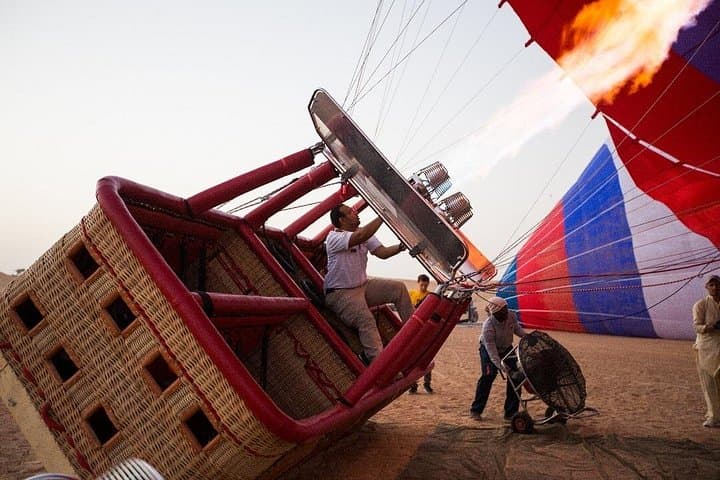
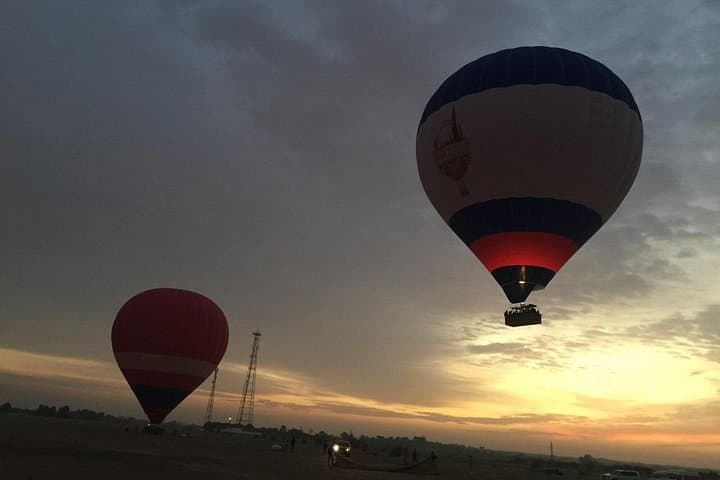
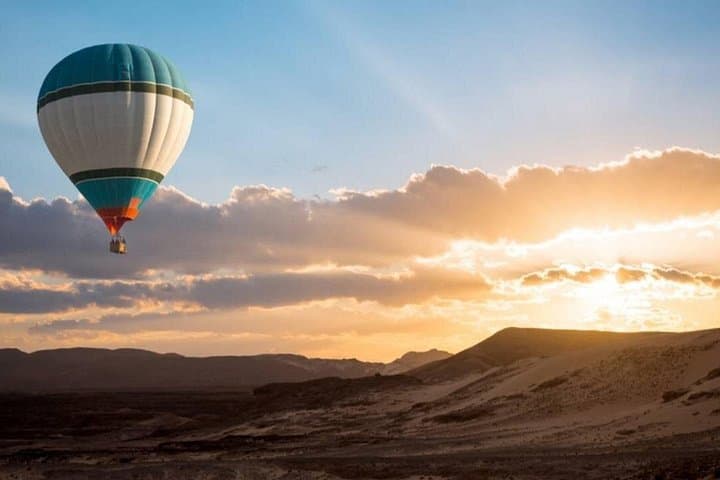
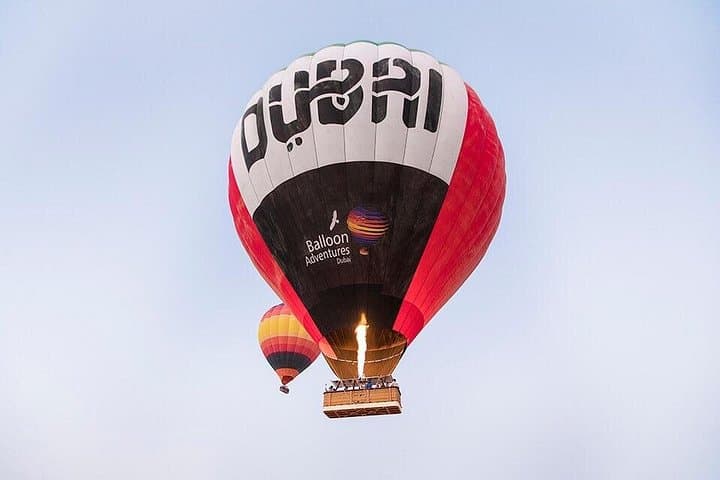
Before dawn the desert softens into shadow and the balloon inflates like a slow-breathing animal, ready to lift you above ochre dunes. As the burners pulse and the basket rises, the sand below unrolls into ribs and ridges; camels and small herds become punctuation marks across a broad, sunlit plain. The Hajjar foothills chalk the horizon and the first rim of light paints dunes in gold.
Verified experiences and guided adventures in the surrounding area.
Operated by Dubai Egypt Travel · Dubai, Dubai
Before dawn the desert softens into shadow and the balloon inflates like a slow-breathing animal, ready to lift you above ochre dunes. As the burners pulse and the basket rises, the sand below unrolls into ribs and ridges; camels and small herds become punctuation marks across a broad, sunlit plain. The Hajjar foothills chalk the horizon and the first rim of light paints dunes in gold.
The flight traces a landscape shaped by wind and ancient marine sediments—long, wandering dunes and interdunal flats that support pockets of resilient vegetation. The Dubai Desert Conservation Reserve exists to protect that fragile ecology and the species that survive here: Arabian oryx and gazelle are the usual highlights, and you may spot desert-adapted birds and the slow tracks of foxes and reptiles.
Culturally the desert has been a working landscape for Bedouin routes and camel breeders; operators often include falcon photography to connect visitors to that tradition. Licensed flights run with strict conservation rules—landings are staged and crews minimize disturbance to wildlife.
Practical guidance: plan an early wake-up (pickups around 04:30), expect a full morning window of 4–5 hours including transfers and a 40–70 minute airborne time. Dress in layered, lightweight clothes—mornings are cool, days warm. Bring sturdy closed-toe shoes for boarding and a camera with a fast shutter for low-angle sunrise light. Hydrate before you go and leave bulky backpacks on the transfer vehicle: space in the basket is limited.
This is an accessible aerial experience—no technical skill required—but it rewards patience, steady hands for photography, and respect for a living desert.
The airborne portion typically lasts 40–70 minutes depending on wind and weather conditions, with total excursion time including transfers around 4–5 hours.
The tour notes indicate wheelchair-accessible transport and infant seats available; consult your operator about specific mobility needs and any minimum age limits for flying.
Yes—Arabian oryx, various gazelles, and grazing camels are commonly visible from the air, though sightings depend on timing and animal movements.
Operators may adjust flights for safety; check your booking terms—this tour offers full refunds if canceled at least 24 hours in advance and may reschedule or cancel for unsafe conditions.
Dubai Egypt Travel operates guided outdoor trips and adventures with an emphasis on safety, stewardship, and memorable experiences.
Before dawn the desert softens into shadow and the balloon inflates like a slow-breathing animal, ready to lift you above ochre dunes. As the burners pulse and the basket rises, the sand below unrolls into ribs and ridges; camels and small herds become punctuation marks across a broad, sunlit plain. The Hajjar foothills chalk the horizon and the first rim of light paints dunes in gold.
Before dawn the desert softens into shadow and the balloon inflates like a slow-breathing animal, ready to lift you above ochre dunes. As the burners pulse and the basket rises, the sand below unrolls into ribs and ridges; camels and small herds become punctuation marks across a broad, sunlit plain. The Hajjar foothills chalk the horizon and the first rim of light paints dunes in gold.
The flight traces a landscape shaped by wind and ancient marine sediments—long, wandering dunes and interdunal flats that support pockets of resilient vegetation. The Dubai Desert Conservation Reserve exists to protect that fragile ecology and the species that survive here: Arabian oryx and gazelle are the usual highlights, and you may spot desert-adapted birds and the slow tracks of foxes and reptiles.
Culturally the desert has been a working landscape for Bedouin routes and camel breeders; operators often include falcon photography to connect visitors to that tradition. Licensed flights run with strict conservation rules—landings are staged and crews minimize disturbance to wildlife.
Practical guidance: plan an early wake-up (pickups around 04:30), expect a full morning window of 4–5 hours including transfers and a 40–70 minute airborne time. Dress in layered, lightweight clothes—mornings are cool, days warm. Bring sturdy closed-toe shoes for boarding and a camera with a fast shutter for low-angle sunrise light. Hydrate before you go and leave bulky backpacks on the transfer vehicle: space in the basket is limited.
This is an accessible aerial experience—no technical skill required—but it rewards patience, steady hands for photography, and respect for a living desert.