THE ADVENTURE COLLECTIVE® · Independent discovery and booking for outdoor travel

Walk Dubai’s living history along the Creek on a four-hour guided tour: Al Seef’s waterfront, the wind-towered lanes of Bastakiya, bustling souks and a short abra ride combine culture, commerce and coastal breeze. Perfect for travelers who want a compact, sensory introduction to the city’s heritage.
Walk Dubai’s living history along the Creek on a four-hour guided tour: Al Seef’s waterfront, the wind-towered lanes of Bastakiya, bustling souks and a short abra ride combine culture, commerce and coastal breeze. Perfect for travelers who want a compact, sensory introduction to the city’s heritage.
Morning light slices across Dubai Creek as you step onto Al Seef’s promenade: wooden dhows bob, calloused shopkeepers sweep stoops, and the air carries cardamom and sea salt. The four-hour group walk threads Bastakiya’s narrow alleys, the textile stalls of Meena Bazaar, and the spice-rich lanes of Deira before a short abra crossing that puts the city’s trading lifeline at your feet.
Verified experiences and guided adventures in the surrounding area.
Operated by Culture Explorer Tours · Dubai, Dubai
Morning light slices across Dubai Creek as you step onto Al Seef’s promenade: wooden dhows bob, calloused shopkeepers sweep stoops, and the air carries cardamom and sea salt. The four-hour group walk threads Bastakiya’s narrow alleys, the textile stalls of Meena Bazaar, and the spice-rich lanes of Deira before a short abra crossing that puts the city’s trading lifeline at your feet.
This route traces Dubai’s arc from an 18th-century pearling and fishing settlement to a 20th-century trading port. The creek’s tidal channel shaped settlement patterns and the wind-tower architecture in Al Fahidi—a practical response to desert heat—still anchors the historic quarter. Markets preserve living crafts: goldsmithing, textile dyeing and spice blending that reflect the emirate’s multicultural merchant heritage.
Expect uneven pavements, shaded courtyards, and intensely scented market stalls. The tour mixes walking and short stops for photos and browsing; a 10–15 minute abra ride offers a contrasting, breezy perspective of old and new skyline edges. Guides explain local customs, bargaining norms and the significance of the creek to Dubai’s growth.
Practical edge: start at 09:00 to avoid midday heat, wear closed-toe walking shoes and modest clothing, and carry water and small bills for purchases. The experience is sensory and social—great for curious travelers who want history and hands-on market culture without long hikes, but it requires a moderate level of mobility and comfort navigating busy pedestrian markets.
No—this product is not wheelchair accessible due to narrow lanes and uneven surfaces in the historic districts.
The tour includes an English-speaking guide as part of the standard inclusions.
No—shopping in the souks is optional and purchases are at your own expense; bring local currency for stalls.
Yes—abras are the local transport boats; lifelike conditions are calm but infants must sit on an adult’s lap as noted in the tour restrictions.
Culture Explorer Tours operates guided outdoor trips and adventures with an emphasis on safety, stewardship, and memorable experiences.

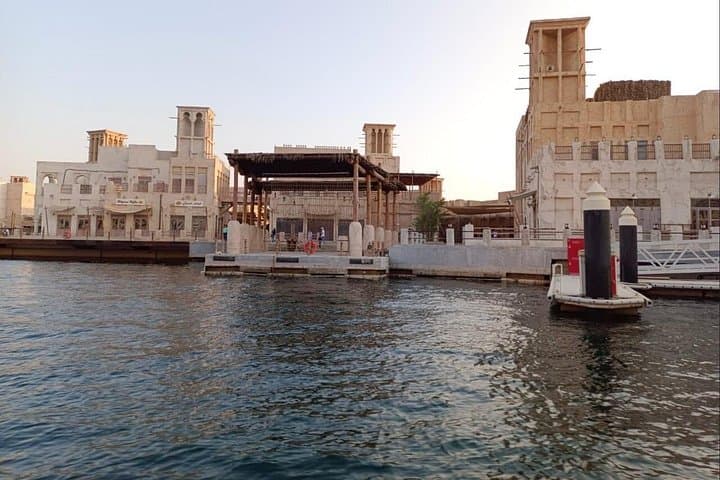


Morning light slices across Dubai Creek as you step onto Al Seef’s promenade: wooden dhows bob, calloused shopkeepers sweep stoops, and the air carries cardamom and sea salt. The four-hour group walk threads Bastakiya’s narrow alleys, the textile stalls of Meena Bazaar, and the spice-rich lanes of Deira before a short abra crossing that puts the city’s trading lifeline at your feet.
Morning light slices across Dubai Creek as you step onto Al Seef’s promenade: wooden dhows bob, calloused shopkeepers sweep stoops, and the air carries cardamom and sea salt. The four-hour group walk threads Bastakiya’s narrow alleys, the textile stalls of Meena Bazaar, and the spice-rich lanes of Deira before a short abra crossing that puts the city’s trading lifeline at your feet.
This route traces Dubai’s arc from an 18th-century pearling and fishing settlement to a 20th-century trading port. The creek’s tidal channel shaped settlement patterns and the wind-tower architecture in Al Fahidi—a practical response to desert heat—still anchors the historic quarter. Markets preserve living crafts: goldsmithing, textile dyeing and spice blending that reflect the emirate’s multicultural merchant heritage.
Expect uneven pavements, shaded courtyards, and intensely scented market stalls. The tour mixes walking and short stops for photos and browsing; a 10–15 minute abra ride offers a contrasting, breezy perspective of old and new skyline edges. Guides explain local customs, bargaining norms and the significance of the creek to Dubai’s growth.
Practical edge: start at 09:00 to avoid midday heat, wear closed-toe walking shoes and modest clothing, and carry water and small bills for purchases. The experience is sensory and social—great for curious travelers who want history and hands-on market culture without long hikes, but it requires a moderate level of mobility and comfort navigating busy pedestrian markets.