THE ADVENTURE COLLECTIVE® · Independent discovery and booking for outdoor travel

Walk from modern Al Seef into the tight alleys of Al Fahidi, cross Dubai Creek on a traditional abra, and explore the Spice and Gold souks. This 2–3 hour tour mixes history, sensory markets, and practical local insight for first-time visitors.
Walk from modern Al Seef into the tight alleys of Al Fahidi, cross Dubai Creek on a traditional abra, and explore the Spice and Gold souks. This 2–3 hour tour mixes history, sensory markets, and practical local insight for first-time visitors.
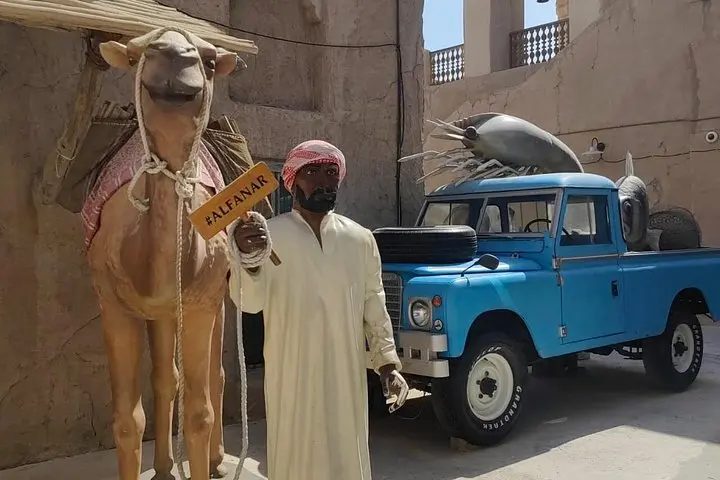
You step off the shaded promenade at Al Seef and the city shifts: the creek hums with wooden abras, wind towers keep centuries-old rhythms, and the scent of cumin and frankincense rides the air. The walk threads narrow sikkas of Al Fahidi, where low plaster houses and barajeel (wind towers) still shape daylight and draft, then opens to the sensory overload of the Spice and Gold souks—brilliant metal, intoxicating aromas, and fabrics that slide under your fingertips.
Verified experiences and guided adventures in the surrounding area.
Operated by HERITAGE DISCOVERY TOURISM L.L.C · Dubai, Dubai
You step off the shaded promenade at Al Seef and the city shifts: the creek hums with wooden abras, wind towers keep centuries-old rhythms, and the scent of cumin and frankincense rides the air. The walk threads narrow sikkas of Al Fahidi, where low plaster houses and barajeel (wind towers) still shape daylight and draft, then opens to the sensory overload of the Spice and Gold souks—brilliant metal, intoxicating aromas, and fabrics that slide under your fingertips.
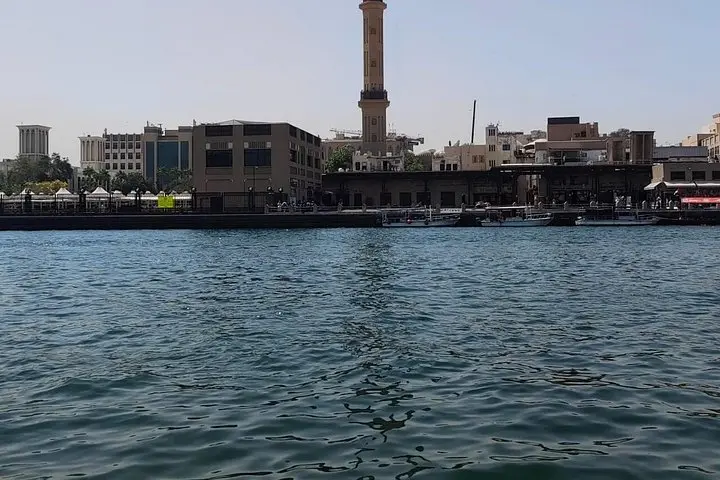
Dubai Creek is the spine of the city’s early trade routes, a tidal estuary that carved the trading port and drew pearling dhows and merchant houses. Geologically the creek is a sheltered inlet of the Arabian Gulf with mudflats that historically supported mangroves and migratory birds; culturally you’ll see how traditional commerce evolved into the modern economy that built the skyline across the water.
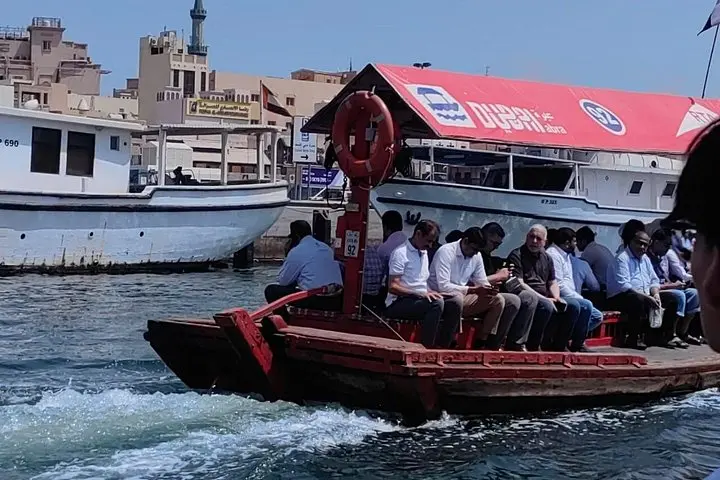
Practically, this is an urban stroll with tight alleys and flat pavement, about 2–3 hours in duration. Expect lots of stops: markets, simple museums, and an authentic abra crossing that gives a water-level view of working Dubai. Bring a small backpack, water, and a camera with a wide lens for alleyway compositions. Dress modestly for mosque-adjacent areas, haggle politely in the souks, and plan mid-morning or late afternoon to avoid peak heat. The tour balances history and hands-on local trade—an accessible route to understand how a creek gave rise to a global city.
Most tours begin near the Al Seef promenade on Dubai Creek—check your booking confirmation for a precise meeting point and local map reference.
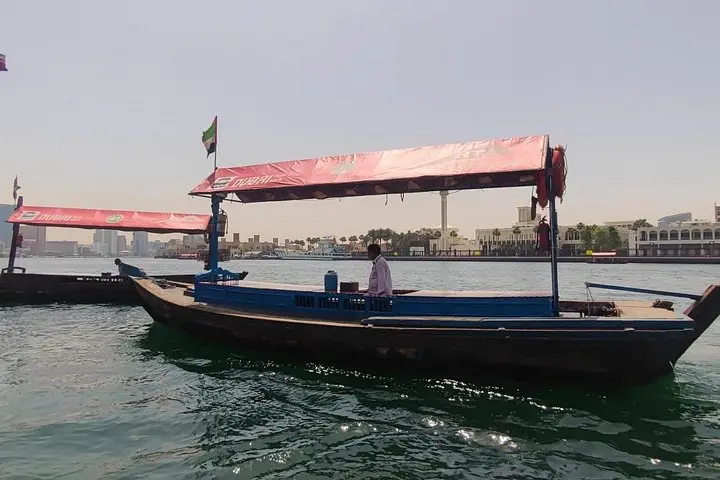
The traditional abra crossing is included; abras are licensed, inexpensive wooden boats used by locals and offer a safe, short crossing of the creek.
Yes—the route is classified as easy with mostly flat walking; strollers may be cumbersome in narrow alleys, and those with mobility issues should advise the operator in advance.
Yes—souks are active markets where haggling is normal; start below the asking price and be polite. Small purchases may be easier with cash.
HERITAGE DISCOVERY TOURISM L.L.C operates guided outdoor trips and adventures with an emphasis on safety, stewardship, and memorable experiences.
You step off the shaded promenade at Al Seef and the city shifts: the creek hums with wooden abras, wind towers keep centuries-old rhythms, and the scent of cumin and frankincense rides the air. The walk threads narrow sikkas of Al Fahidi, where low plaster houses and barajeel (wind towers) still shape daylight and draft, then opens to the sensory overload of the Spice and Gold souks—brilliant metal, intoxicating aromas, and fabrics that slide under your fingertips.
You step off the shaded promenade at Al Seef and the city shifts: the creek hums with wooden abras, wind towers keep centuries-old rhythms, and the scent of cumin and frankincense rides the air. The walk threads narrow sikkas of Al Fahidi, where low plaster houses and barajeel (wind towers) still shape daylight and draft, then opens to the sensory overload of the Spice and Gold souks—brilliant metal, intoxicating aromas, and fabrics that slide under your fingertips.
Dubai Creek is the spine of the city’s early trade routes, a tidal estuary that carved the trading port and drew pearling dhows and merchant houses. Geologically the creek is a sheltered inlet of the Arabian Gulf with mudflats that historically supported mangroves and migratory birds; culturally you’ll see how traditional commerce evolved into the modern economy that built the skyline across the water.
Practically, this is an urban stroll with tight alleys and flat pavement, about 2–3 hours in duration. Expect lots of stops: markets, simple museums, and an authentic abra crossing that gives a water-level view of working Dubai. Bring a small backpack, water, and a camera with a wide lens for alleyway compositions. Dress modestly for mosque-adjacent areas, haggle politely in the souks, and plan mid-morning or late afternoon to avoid peak heat. The tour balances history and hands-on local trade—an accessible route to understand how a creek gave rise to a global city.