THE ADVENTURE COLLECTIVE® · Independent discovery and booking for outdoor travel

Cross Dublin Bay on a 70‑minute one‑way ferry from Dun Laoghaire to Howth and see Dalkey Island, Bull Island, Baily and Kish lighthouses, Ireland’s Eye and seals in Howth Harbour. Practical, scenic, and accessible—this trip shows you Dublin from the water, with return options by boat or DART.
Cross Dublin Bay on a 70‑minute one‑way ferry from Dun Laoghaire to Howth and see Dalkey Island, Bull Island, Baily and Kish lighthouses, Ireland’s Eye and seals in Howth Harbour. Practical, scenic, and accessible—this trip shows you Dublin from the water, with return options by boat or DART.
You step onto the long stone pier at Dun Laoghaire, the sea air sharp with salt and gull cry. The ferry hums, ropes slacken, and the east pier slides away as the city’s edge narrows into shoreline—walls, lighthouses and green heads peeling open into Dublin Bay.
Verified experiences and guided adventures in the surrounding area.
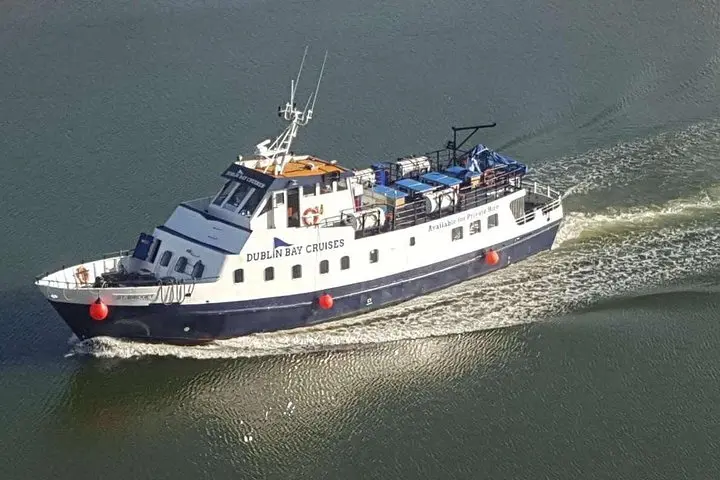
Operated by Dublin Bay Cruises · Dun Laoghaire, County Dublin
You step onto the long stone pier at Dun Laoghaire, the sea air sharp with salt and gull cry. The ferry hums, ropes slacken, and the east pier slides away as the city’s edge narrows into shoreline—walls, lighthouses and green heads peeling open into Dublin Bay.
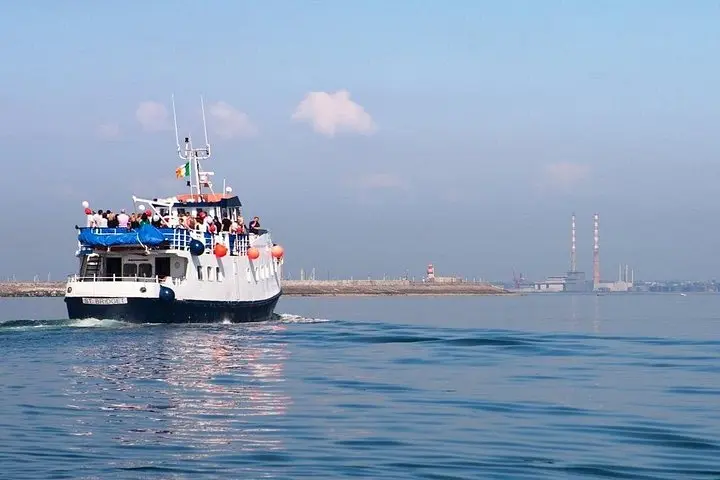
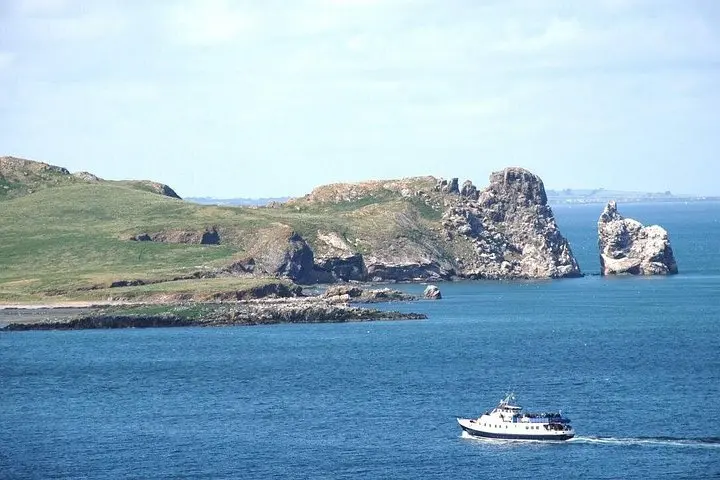
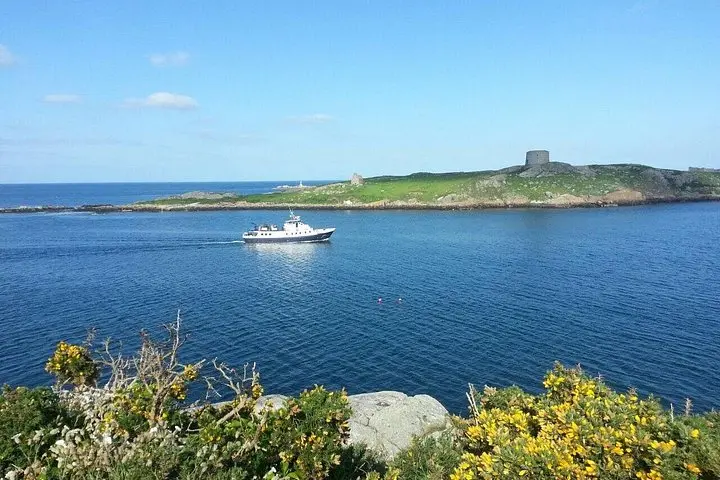
This one-way, 70-minute crossing threads past landmarks you can’t properly see from land: Dalkey Island’s low cliffs, the flat sand of Bull Island (a product of Victorian engineering and now a UNESCO-declared biosphere landscape), the white sweep of Baily and the squat Kish lighthouses, and the rocky promontory of Howth Head with Ireland’s Eye and Lambay Island punctuating the horizon. The route is as much geology as history—glacially sculpted headlands and man-made walls that redirected sediments and created new habitats—and as cultural as coastal: fishing piers, working harbors and long-standing seals that patrol Howth.
Practicalities: the cruise is suitable for almost everyone—restrooms and onboard Wi‑Fi are available, and return fares can be purchased aboard or you can take the DART back from Howth (about a 7‑minute walk). Arrive 15–30 minutes early if driving; there’s no operator parking. Dress windproof and wear layers—Dublin Bay can change from glassy calm to brisk wind in minutes. Bring binoculars or a camera with a zoom, and consider seasickness medication if you’re prone.
This crossing is a fast, marine-focused way to read Dublin’s coastline: wildlife, lighthouse architecture, and island silhouettes that ask you to look harder than a map allows.
The scheduled cruise is one‑way (70 minutes). Return tickets can be purchased on board, or you can return by DART rail from Howth (about a 7‑minute walk from the pier).
Yes—onboard restrooms and Wi‑Fi are provided as part of the service.
Infants and small children can ride in strollers; infants should sit on an adult’s lap. Service animals are allowed—check operator rules when booking.
Operators may cancel for adverse weather; check the cancellation policy (full refund if canceled at least 24 hours prior) and monitor local forecasts before departure.
Dublin Bay Cruises operates guided outdoor trips and adventures with an emphasis on safety, stewardship, and memorable experiences.
You step onto the long stone pier at Dun Laoghaire, the sea air sharp with salt and gull cry. The ferry hums, ropes slacken, and the east pier slides away as the city’s edge narrows into shoreline—walls, lighthouses and green heads peeling open into Dublin Bay.
You step onto the long stone pier at Dun Laoghaire, the sea air sharp with salt and gull cry. The ferry hums, ropes slacken, and the east pier slides away as the city’s edge narrows into shoreline—walls, lighthouses and green heads peeling open into Dublin Bay.
This one-way, 70-minute crossing threads past landmarks you can’t properly see from land: Dalkey Island’s low cliffs, the flat sand of Bull Island (a product of Victorian engineering and now a UNESCO-declared biosphere landscape), the white sweep of Baily and the squat Kish lighthouses, and the rocky promontory of Howth Head with Ireland’s Eye and Lambay Island punctuating the horizon. The route is as much geology as history—glacially sculpted headlands and man-made walls that redirected sediments and created new habitats—and as cultural as coastal: fishing piers, working harbors and long-standing seals that patrol Howth.
Practicalities: the cruise is suitable for almost everyone—restrooms and onboard Wi‑Fi are available, and return fares can be purchased aboard or you can take the DART back from Howth (about a 7‑minute walk). Arrive 15–30 minutes early if driving; there’s no operator parking. Dress windproof and wear layers—Dublin Bay can change from glassy calm to brisk wind in minutes. Bring binoculars or a camera with a zoom, and consider seasickness medication if you’re prone.
This crossing is a fast, marine-focused way to read Dublin’s coastline: wildlife, lighthouse architecture, and island silhouettes that ask you to look harder than a map allows.