THE ADVENTURE COLLECTIVE® · Independent discovery and booking for outdoor travel

Spend a full day moving between Belfast and Dublin to see Trinity College’s Book of Kells, Dublin Castle, and the city’s literary streets. This guided 10‑hour route mixes curated history with pockets of independent exploration.
Spend a full day moving between Belfast and Dublin to see Trinity College’s Book of Kells, Dublin Castle, and the city’s literary streets. This guided 10‑hour route mixes curated history with pockets of independent exploration.
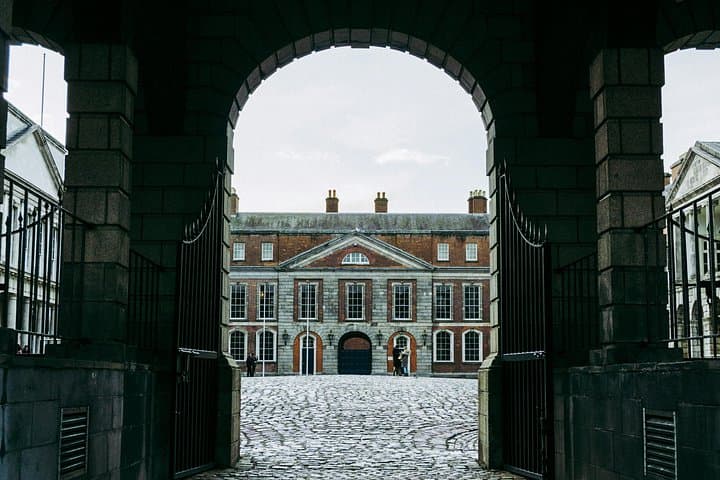
A coach eases out of Belfast before dawn and the countryside unfurls—patchwork fields, low hedgerows, and the River Liffey waiting like a silver thread through the city. By midmorning the group steps into the courtyard of Trinity College; sunlight picks out carved stone and the hush of the Long Room, where the Book of Kells holds its quiet crowd.
Verified experiences and guided adventures in the surrounding area.
Operated by European Voyages · Dublin, County Dublin
A coach eases out of Belfast before dawn and the countryside unfurls—patchwork fields, low hedgerows, and the River Liffey waiting like a silver thread through the city. By midmorning the group steps into the courtyard of Trinity College; sunlight picks out carved stone and the hush of the Long Room, where the Book of Kells holds its quiet crowd.
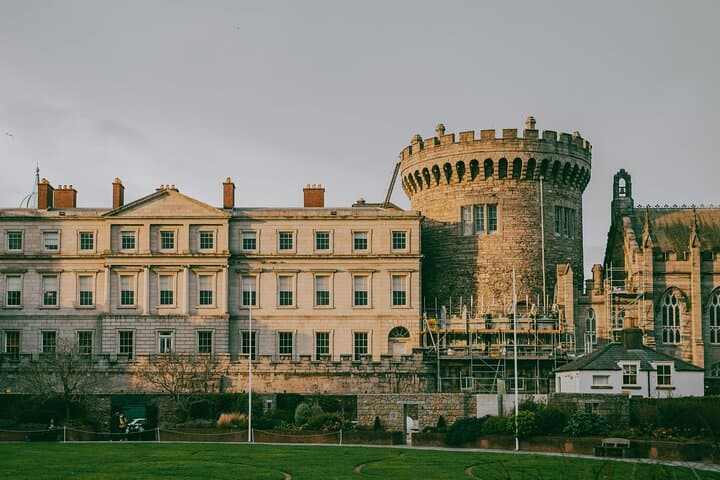
This full-day route stitches together Ireland’s political and intellectual landmarks: Trinity College (founded 1592) and its manuscript treasure from the early medieval period, and Dublin Castle, once the administrative heart of British rule until the early 20th century. Geologically, Dublin sits on a river estuary shaped by glacial melt and marine sediments—flat streets open toward the bay while older stone façades anchor the center.
Culture arrives in easy gestures: buskers along Grafton Street, stout poured at noon, conversation steeped in literary names—Beckett, Joyce—echoing off Georgian squares. Local insight: Marsh’s Library and small museums near Trinity reward a quiet detour if time allows; morning entry to the Book of Kells reduces crowds.
Practical guidance: expect a 10-hour day with roughly 2–4 miles of city walking on mostly flat pavement. Bring layers and a waterproof—weather shifts fast—and carry photo-friendly patience: some interiors restrict tripods and flash. Currency changes at the border (GBP in Northern Ireland, EUR in the Republic); keep ID handy even though borders are open. Hydrate, wear comfortable shoes, and plan for one or two short breaks for lunch and coffee—this is a touring day that balances guided context with moments to explore on foot.
There is no routine border control, but participants should carry a passport or government-issued ID for identification and in case of unexpected checks.
Yes—this tour includes entrance to Trinity College (Book of Kells) and Dublin Castle as listed in the itinerary.
The itinerary includes short breaks and about an hour at primary sites; expect limited free time for a quick lunch or a brief museum detour.
Yes—private air‑conditioned transportation and pickup are provided; you’ll specify pickup details when booking.
European Voyages operates guided outdoor trips and adventures with an emphasis on safety, stewardship, and memorable experiences.


A coach eases out of Belfast before dawn and the countryside unfurls—patchwork fields, low hedgerows, and the River Liffey waiting like a silver thread through the city. By midmorning the group steps into the courtyard of Trinity College; sunlight picks out carved stone and the hush of the Long Room, where the Book of Kells holds its quiet crowd.
A coach eases out of Belfast before dawn and the countryside unfurls—patchwork fields, low hedgerows, and the River Liffey waiting like a silver thread through the city. By midmorning the group steps into the courtyard of Trinity College; sunlight picks out carved stone and the hush of the Long Room, where the Book of Kells holds its quiet crowd.
This full-day route stitches together Ireland’s political and intellectual landmarks: Trinity College (founded 1592) and its manuscript treasure from the early medieval period, and Dublin Castle, once the administrative heart of British rule until the early 20th century. Geologically, Dublin sits on a river estuary shaped by glacial melt and marine sediments—flat streets open toward the bay while older stone façades anchor the center.
Culture arrives in easy gestures: buskers along Grafton Street, stout poured at noon, conversation steeped in literary names—Beckett, Joyce—echoing off Georgian squares. Local insight: Marsh’s Library and small museums near Trinity reward a quiet detour if time allows; morning entry to the Book of Kells reduces crowds.
Practical guidance: expect a 10-hour day with roughly 2–4 miles of city walking on mostly flat pavement. Bring layers and a waterproof—weather shifts fast—and carry photo-friendly patience: some interiors restrict tripods and flash. Currency changes at the border (GBP in Northern Ireland, EUR in the Republic); keep ID handy even though borders are open. Hydrate, wear comfortable shoes, and plan for one or two short breaks for lunch and coffee—this is a touring day that balances guided context with moments to explore on foot.