THE ADVENTURE COLLECTIVE® · Independent discovery and booking for outdoor travel

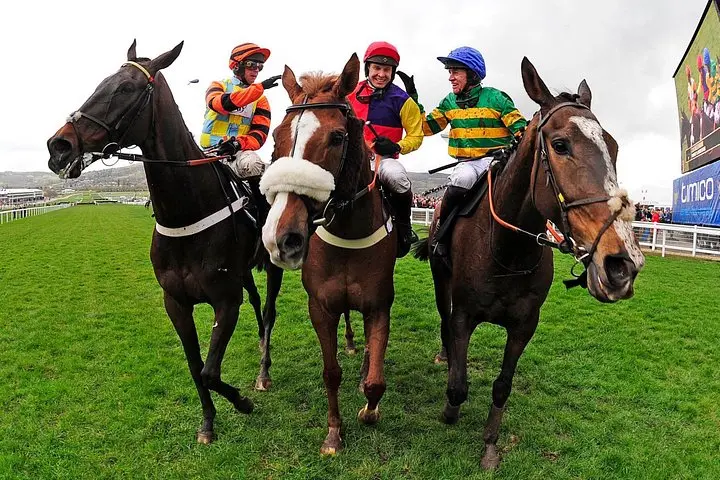
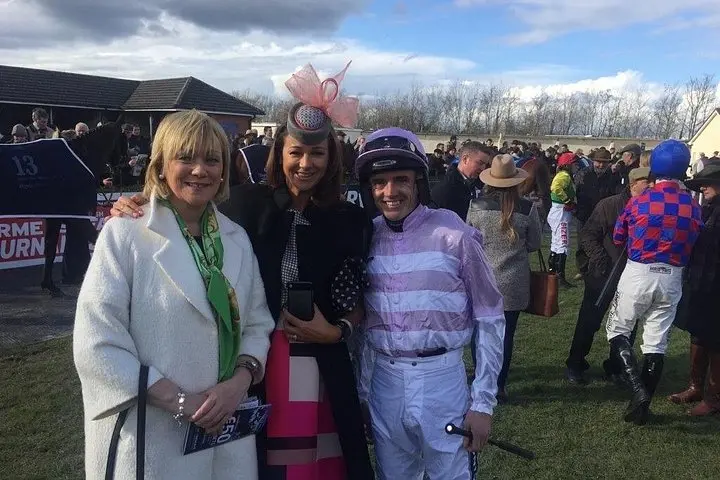
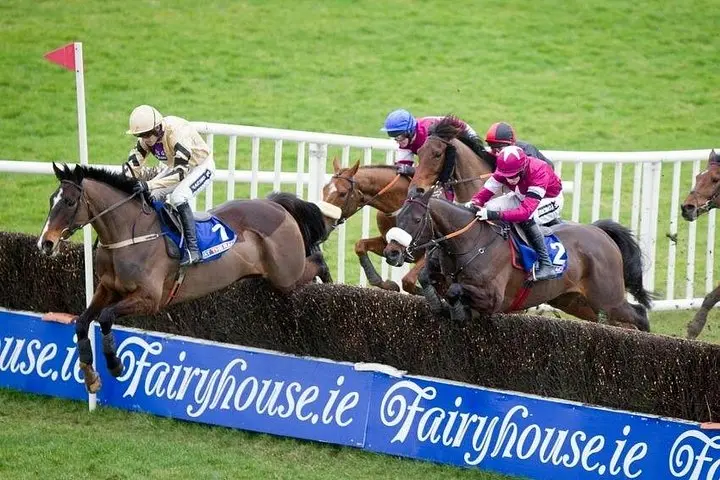
Spend a full day with guides who know Ireland’s equine world: a guided visit to the Irish National Stud, meet a jockey, and an afternoon at a nearby racecourse. This tour pairs behind-the-scenes breeding insight with the high energy of race day.
Spend a full day with guides who know Ireland’s equine world: a guided visit to the Irish National Stud, meet a jockey, and an afternoon at a nearby racecourse. This tour pairs behind-the-scenes breeding insight with the high energy of race day.
Morning light slices across clipped paddocks as the bus turns off the N7—hay hums underfoot and the day smells of damp turf and warm leather. Guides lead visitors through the Irish National Stud’s gardens and stalls, where thoroughbreds stand like coiled athletes and the Japanese Gardens offer a quiet counterpoint to the energy of breeding and training.
Verified experiences and guided adventures in the surrounding area.
Operated by Ireland Less Travelled Tours · Dublin, County Dublin
Morning light slices across clipped paddocks as the bus turns off the N7—hay hums underfoot and the day smells of damp turf and warm leather. Guides lead visitors through the Irish National Stud’s gardens and stalls, where thoroughbreds stand like coiled athletes and the Japanese Gardens offer a quiet counterpoint to the energy of breeding and training.
The Irish National Stud grew into prominence in the early 20th century and has long shaped the country’s thoroughbred lineage. Geologically, the tour runs across the Curragh’s flat limestone-and-sand plain—land that drains fast and makes the region ideal for training gallops. Culturally, racing is woven into local life: pubs discuss form as readily as weather, and race meetings are social events as much as sporting contests.
Expect a guided visit to the Stud with time to explore the gardens, followed by a trip to a nearby racecourse (venue varies with the racing calendar). You’ll meet a jockey, learn how to read a racecard, and get a racecard included in your tour price. The day is long—about 9–10 hours—with private transport from Dublin and accessible stops; wear layered clothing, sturdy shoes, and plan for changeable conditions. Bring modest cash for small bets (cards are widely accepted) and leave large bags on the coach when touring stables.
Practical advice: arrive well rested, hydrate between venues, and respect stable quiet zones. For horse lovers this is a compact immersion into Ireland’s equine world—part farm tour, part sociable day at the races.
Yes—private transportation is included; pick-up points will be confirmed at booking and the tour returns to central Dublin.
Yes—your tour provides a racecard and there will be opportunities to place bets; bring a small amount of cash or a card.
The tour is wheelchair accessible and family-friendly, but stable access may be limited for some mobility needs—contact the operator for specifics.
The operator selects the best available racecourse and may suggest alternate dates if no meeting is scheduled; confirmation is provided before departure.
Ireland Less Travelled Tours operates guided outdoor trips and adventures with an emphasis on safety, stewardship, and memorable experiences.
Morning light slices across clipped paddocks as the bus turns off the N7—hay hums underfoot and the day smells of damp turf and warm leather. Guides lead visitors through the Irish National Stud’s gardens and stalls, where thoroughbreds stand like coiled athletes and the Japanese Gardens offer a quiet counterpoint to the energy of breeding and training.
Morning light slices across clipped paddocks as the bus turns off the N7—hay hums underfoot and the day smells of damp turf and warm leather. Guides lead visitors through the Irish National Stud’s gardens and stalls, where thoroughbreds stand like coiled athletes and the Japanese Gardens offer a quiet counterpoint to the energy of breeding and training.
The Irish National Stud grew into prominence in the early 20th century and has long shaped the country’s thoroughbred lineage. Geologically, the tour runs across the Curragh’s flat limestone-and-sand plain—land that drains fast and makes the region ideal for training gallops. Culturally, racing is woven into local life: pubs discuss form as readily as weather, and race meetings are social events as much as sporting contests.
Expect a guided visit to the Stud with time to explore the gardens, followed by a trip to a nearby racecourse (venue varies with the racing calendar). You’ll meet a jockey, learn how to read a racecard, and get a racecard included in your tour price. The day is long—about 9–10 hours—with private transport from Dublin and accessible stops; wear layered clothing, sturdy shoes, and plan for changeable conditions. Bring modest cash for small bets (cards are widely accepted) and leave large bags on the coach when touring stables.
Practical advice: arrive well rested, hydrate between venues, and respect stable quiet zones. For horse lovers this is a compact immersion into Ireland’s equine world—part farm tour, part sociable day at the races.