THE ADVENTURE COLLECTIVE® · Independent discovery and booking for outdoor travel

Spend a full day exploring County Wicklow’s rugged lakes, cinematic mountain roads, and historic monastic ruins. This guided tour from central Dublin visits Glendalough, Lough Tay and Powerscourt Waterfall with short walks and plenty of photo stops.
Spend a full day exploring County Wicklow’s rugged lakes, cinematic mountain roads, and historic monastic ruins. This guided tour from central Dublin visits Glendalough, Lough Tay and Powerscourt Waterfall with short walks and plenty of photo stops.
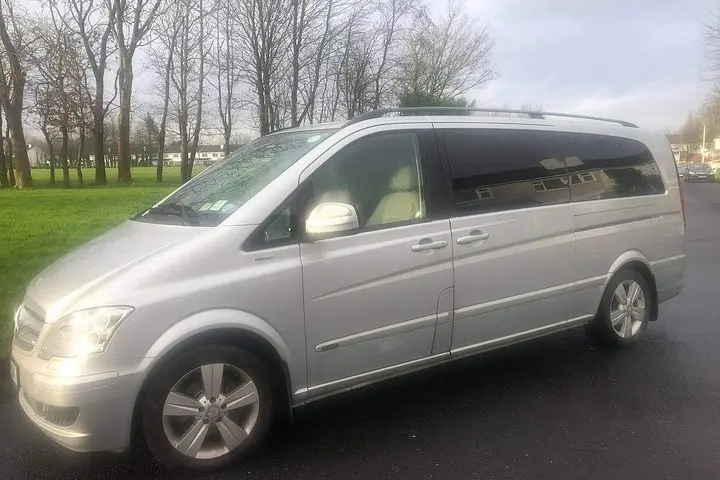
You leave Dublin behind as Georgian terraces thin into hedgerows and the road climbs toward the Wicklow Mountains. The air changes; peat and heather seem to move with you, and the hills press like an audience. At Glendalough you step from the vehicle into the hush of a sixth‑century monastic site—round towers, stone crosses, and paths that lead to twin lakes.
Verified experiences and guided adventures in the surrounding area.
Operated by Sean Patrick Tours · Glendalough (Laragh), County Wicklow
You leave Dublin behind as Georgian terraces thin into hedgerows and the road climbs toward the Wicklow Mountains. The air changes; peat and heather seem to move with you, and the hills press like an audience. At Glendalough you step from the vehicle into the hush of a sixth‑century monastic site—round towers, stone crosses, and paths that lead to twin lakes.
County Wicklow is geologically young compared with the rest of Ireland: granite uplands carved by glaciers into corries and ribbon lakes. The guide threads together local history—St. Kevin’s early monastery, the Military Road constructed after the 1798 rebellion—and film trivia as you drive through short valleys where productions have set dramatic scenes.
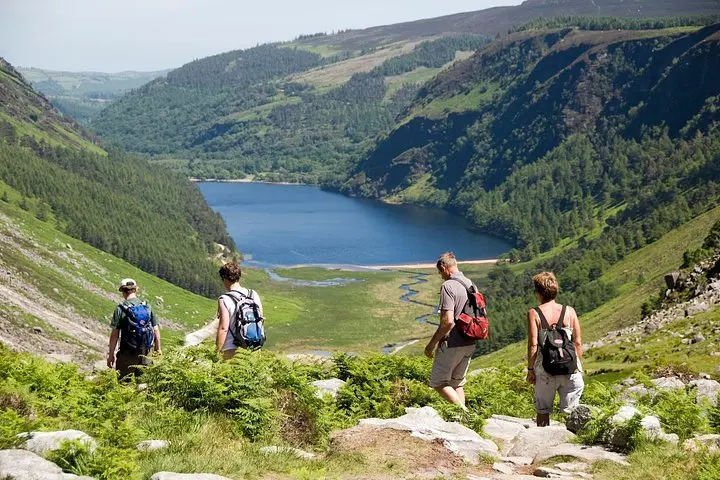
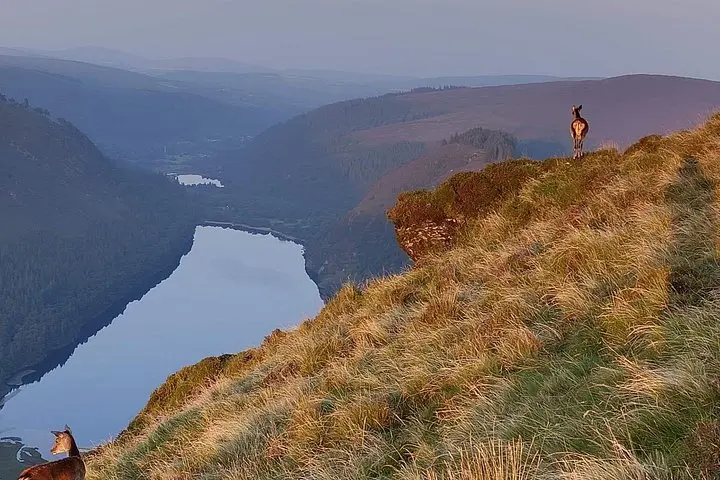
Highlights include a short, interpretive walk around Glendalough’s Lower Lake, a roadside viewpoint above Lough Tay (the Guinness Lake) and a visit to Powerscourt Waterfall, Ireland’s tallest at 122 m. Powerscourt House and Gardens offers manicured walks, formal terraces, and a chance for lunch (admission extra).
Expect mostly short walks: cumulative on‑foot distance of roughly 1–4 km, with isolated elevation gains up to 100–150 m on steep viewpoints and waterfall steps. Terrain alternates between firm gravel paths, uneven stone, and paved garden paths. Bring waterproof layers and sturdy shoes; weather shifts quickly at higher elevations. The tour runs 6–8 hours from central Dublin (pick‑up at St. Stephen’s Green), and is best started early to avoid peak crowds. Leave No Trace: stick to paths in sensitive peatland and respect private estates when photographing views.
Pickup and drop‑off are typically at St. Stephen’s Green in central Dublin; confirm your exact pickup location with the operator.
Powerscourt Gardens entry is not included in the base tour price; you can choose to pay on site to tour the gardens or opt for lunch at the estate instead.
Yes—families and older visitors can join, but participants should be able to walk short distances on uneven surfaces; notify the guide of mobility concerns in advance.
The tour operates in most weather; expect adjustments for safety and comfort. The cancellation policy allows refunds if cancelled at least 24 hours ahead.
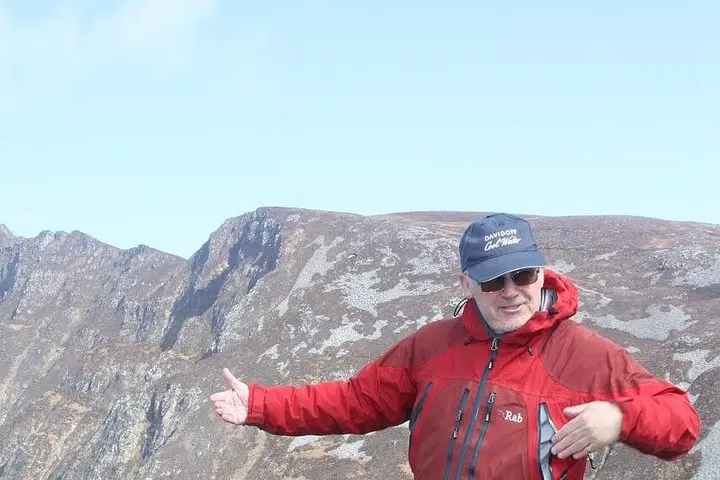
Sean Patrick Tours operates guided outdoor trips and adventures with an emphasis on safety, stewardship, and memorable experiences.
You leave Dublin behind as Georgian terraces thin into hedgerows and the road climbs toward the Wicklow Mountains. The air changes; peat and heather seem to move with you, and the hills press like an audience. At Glendalough you step from the vehicle into the hush of a sixth‑century monastic site—round towers, stone crosses, and paths that lead to twin lakes.
You leave Dublin behind as Georgian terraces thin into hedgerows and the road climbs toward the Wicklow Mountains. The air changes; peat and heather seem to move with you, and the hills press like an audience. At Glendalough you step from the vehicle into the hush of a sixth‑century monastic site—round towers, stone crosses, and paths that lead to twin lakes.
County Wicklow is geologically young compared with the rest of Ireland: granite uplands carved by glaciers into corries and ribbon lakes. The guide threads together local history—St. Kevin’s early monastery, the Military Road constructed after the 1798 rebellion—and film trivia as you drive through short valleys where productions have set dramatic scenes.
Highlights include a short, interpretive walk around Glendalough’s Lower Lake, a roadside viewpoint above Lough Tay (the Guinness Lake) and a visit to Powerscourt Waterfall, Ireland’s tallest at 122 m. Powerscourt House and Gardens offers manicured walks, formal terraces, and a chance for lunch (admission extra).
Expect mostly short walks: cumulative on‑foot distance of roughly 1–4 km, with isolated elevation gains up to 100–150 m on steep viewpoints and waterfall steps. Terrain alternates between firm gravel paths, uneven stone, and paved garden paths. Bring waterproof layers and sturdy shoes; weather shifts quickly at higher elevations. The tour runs 6–8 hours from central Dublin (pick‑up at St. Stephen’s Green), and is best started early to avoid peak crowds. Leave No Trace: stick to paths in sensitive peatland and respect private estates when photographing views.