THE ADVENTURE COLLECTIVE® · Independent discovery and booking for outdoor travel

A long, scenic day from Dublin that stitches Belfast’s city history to the basalt cliffs of the Giant’s Causeway via the whiskey village of Bushmills. Expect coastal drama, medieval ruins, and practical tips for a full-day excuse to get outside.
A long, scenic day from Dublin that stitches Belfast’s city history to the basalt cliffs of the Giant’s Causeway via the whiskey village of Bushmills. Expect coastal drama, medieval ruins, and practical tips for a full-day excuse to get outside.
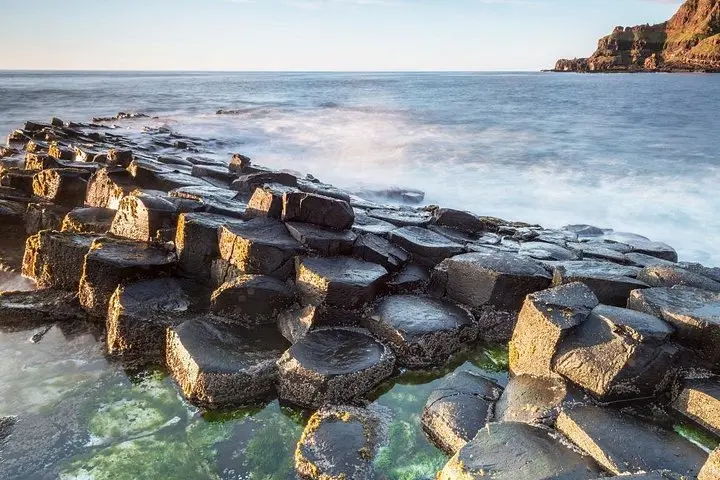
You step off the coach onto wind-cut basalt, each hexagonal block a step into deep time. Sea spray dares your camera, gulls wheel like punctuation, and the columns slope away beneath your feet toward the Atlantic.
Verified experiences and guided adventures in the surrounding area.
Operated by Wild Rover Tours · Bushmills, County Antrim
You step off the coach onto wind-cut basalt, each hexagonal block a step into deep time. Sea spray dares your camera, gulls wheel like punctuation, and the columns slope away beneath your feet toward the Atlantic.
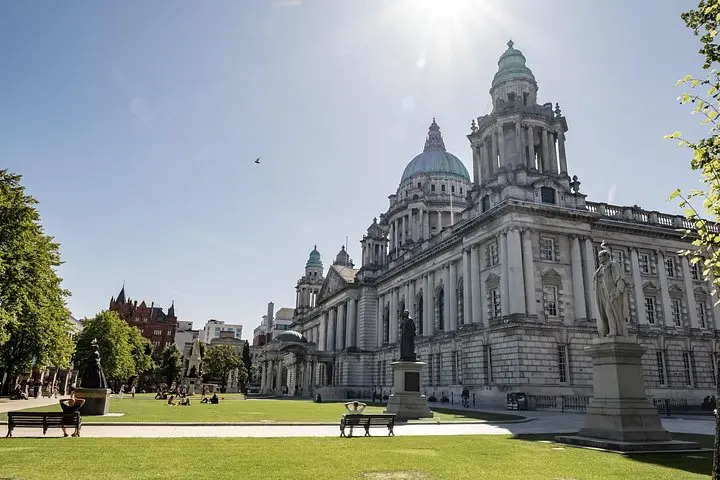
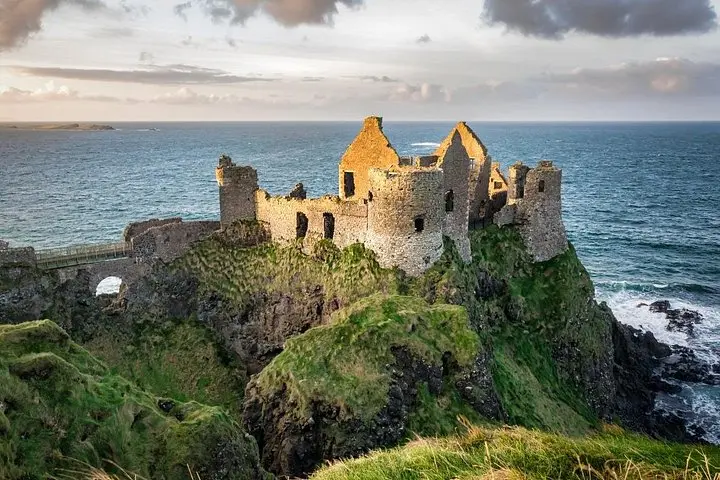
This full-day route threads urban Belfast — with its Victorian City Hall and lively St. George’s Market — through the Antrim countryside to the River Bush and the tiny village of Bushmills, then out to the Giant’s Causeway and Dunluce Castle. Geologically the Causeway is the visible edge of cooled lava flows from 60 million years ago; culturally the place is braided with myths of Fionn mac Cumhaill and more recent history of coastal clans and whiskey-making at Old Bushmills Distillery.
Expect a mix of short urban walking, a 70-minute guided stroll in Belfast, a photo stop at Dunluce Castle, and about 2.5 hours at the Causeway to climb columns and follow coastal paths. Terrain ranges from even paved visitor paths to uneven, slippery basalt and gravel trails. Facilities include restrooms at Belfast City Hall and the Causeway visitor centre; food options are available but not included.
Plan for a long day: bring waterproof layers, sturdy shoes, and motion-sickness remedies for the winding sections. If you want quieter light, aim for shoulder seasons or request an early-season departure. Respect fenced areas and stay on designated trails — the basalt is resilient-looking but the coastal ecology and archaeological sites are fragile. This tour balances history, geology, and local culture into an efficient day that puts one of Ireland’s most dramatic coastlines within reach for travelers based in Dublin or Belfast.
Access to the rock formation itself is free; the visitor centre has an optional paid exhibition and facilities—tours typically allow time for the free coastal paths.
No—lunch is not included; there are cafés at the Causeway and options in Bushmills and Belfast during free time.
The operator notes the tour is not suitable for children aged 2 and under; the long day and uneven terrain make it better for older children used to walking.
No—there are no bathrooms on board; restrooms are available at scheduled stops like Belfast City Hall and the Causeway visitor centre.
Wild Rover Tours operates guided outdoor trips and adventures with an emphasis on safety, stewardship, and memorable experiences.

You step off the coach onto wind-cut basalt, each hexagonal block a step into deep time. Sea spray dares your camera, gulls wheel like punctuation, and the columns slope away beneath your feet toward the Atlantic.
You step off the coach onto wind-cut basalt, each hexagonal block a step into deep time. Sea spray dares your camera, gulls wheel like punctuation, and the columns slope away beneath your feet toward the Atlantic.
This full-day route threads urban Belfast — with its Victorian City Hall and lively St. George’s Market — through the Antrim countryside to the River Bush and the tiny village of Bushmills, then out to the Giant’s Causeway and Dunluce Castle. Geologically the Causeway is the visible edge of cooled lava flows from 60 million years ago; culturally the place is braided with myths of Fionn mac Cumhaill and more recent history of coastal clans and whiskey-making at Old Bushmills Distillery.
Expect a mix of short urban walking, a 70-minute guided stroll in Belfast, a photo stop at Dunluce Castle, and about 2.5 hours at the Causeway to climb columns and follow coastal paths. Terrain ranges from even paved visitor paths to uneven, slippery basalt and gravel trails. Facilities include restrooms at Belfast City Hall and the Causeway visitor centre; food options are available but not included.
Plan for a long day: bring waterproof layers, sturdy shoes, and motion-sickness remedies for the winding sections. If you want quieter light, aim for shoulder seasons or request an early-season departure. Respect fenced areas and stay on designated trails — the basalt is resilient-looking but the coastal ecology and archaeological sites are fragile. This tour balances history, geology, and local culture into an efficient day that puts one of Ireland’s most dramatic coastlines within reach for travelers based in Dublin or Belfast.