THE ADVENTURE COLLECTIVE® · Independent discovery and booking for outdoor travel

Two days of compact Irish history and coastal culture: start in Kilkenny’s medieval lanes then follow Viking-era Waterford’s quays. This private tour pairs guided storytelling with flexible time to explore castles, museums and local pubs.
Two days of compact Irish history and coastal culture: start in Kilkenny’s medieval lanes then follow Viking-era Waterford’s quays. This private tour pairs guided storytelling with flexible time to explore castles, museums and local pubs.
A low-slung minivan eases out of Dublin under a slate sky and the green of the Kildare plains rolls past — a soft, agricultural ribbon that opens into the compact streets of Kilkenny. Cobblestones click underfoot as visitors spill from the vehicle into the shadow of Kilkenny Castle; the River Nore nudges the walls and seems to dare you to follow its slow current.
Verified experiences and guided adventures in the surrounding area.
Operated by Za Execs · Dublin, County Dublin
A low-slung minivan eases out of Dublin under a slate sky and the green of the Kildare plains rolls past — a soft, agricultural ribbon that opens into the compact streets of Kilkenny. Cobblestones click underfoot as visitors spill from the vehicle into the shadow of Kilkenny Castle; the River Nore nudges the walls and seems to dare you to follow its slow current.
Kilkenny grew around a 13th-century Norman stronghold and the round tower of St. Canice’s Cathedral, while Waterford’s salt-tinged streets still carry traces of Viking longships and medieval merchants. The two-day itinerary stitches architecture and archaeology into a readable sequence: castle gatehouses, the Medieval Mile Museum’s recovered stones, then Reginald’s Tower and the Viking Triangle in Waterford where cobbles meet quay. Geologically, southeast Ireland rests on Carboniferous limestone and fertile alluvial plains, which shaped trade routes and settlements along the Nore and Suir.
Culturally the region is direct — pubs double as oral-history hubs, museums curate civic treasures, and storytellers recount the Butlers, Strongbow, and Viking settlers with equal relish.
Practical guide: this private tour includes hotel pickup, licensed driver-guide, and bottled water; expect light-to-moderate walking on uneven cobbles, museum stairs, and roughly 1–2 hours of driving between stops. Wear grippy shoes, pack a waterproof layer for sudden rain, and allow time for pub lunches and guided museum slots. Museums often permit both guided and self-guided visits; book any special-entry tickets in advance if you want guaranteed timed access.
Driving times are roughly 1.5 hours Dublin–Kilkenny, about 1 hour Kilkenny–Waterford, and roughly 2–2.5 hours return to Dublin depending on traffic.
The tour includes specific experience tickets noted at booking; check your confirmation for which museum admissions are covered and which are optional.
The service accommodates infants and strollers; however, cobbled streets and museum stairs may limit accessibility—contact the operator to discuss requirements.
This private tour is flexible within the two-day window—ask about swapping stops or adding extra museum time when you book.
Za Execs operates guided outdoor trips and adventures with an emphasis on safety, stewardship, and memorable experiences.
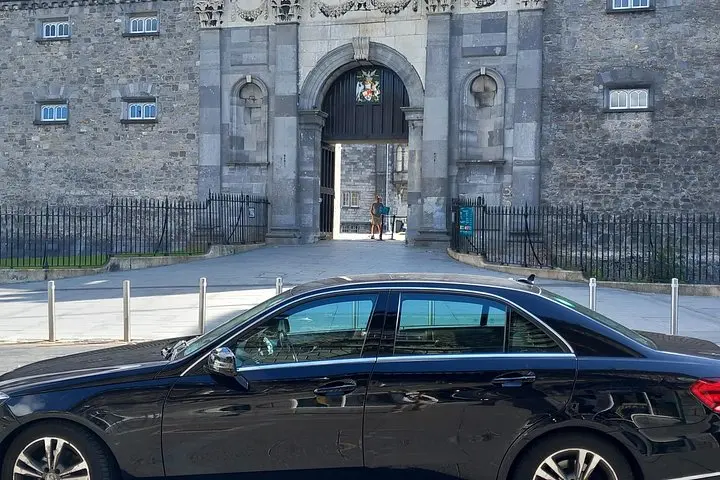
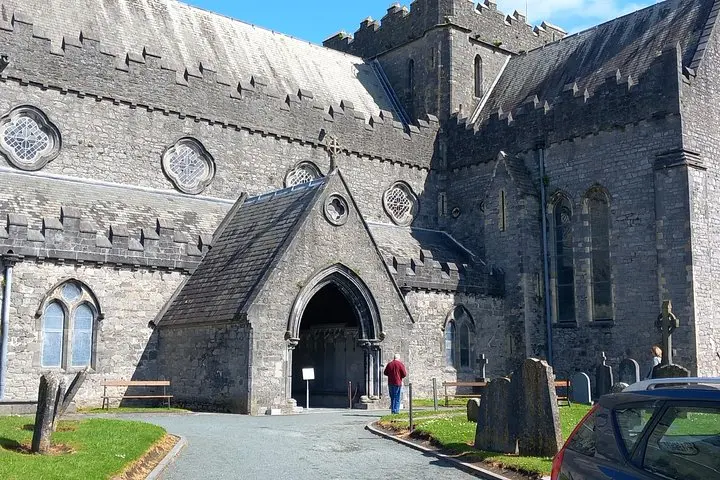
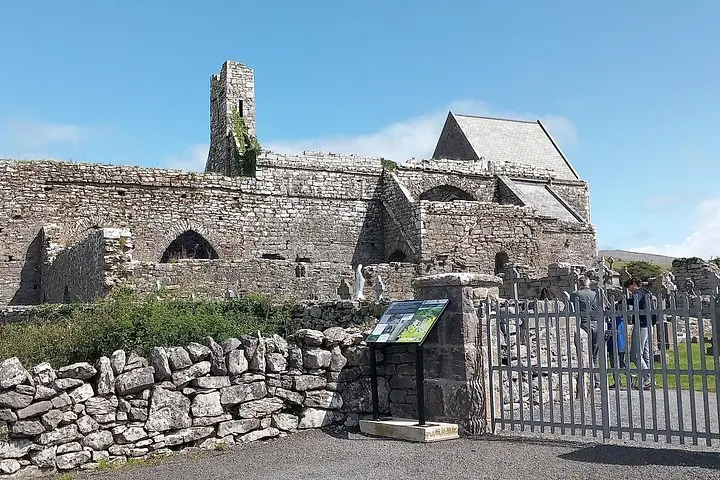
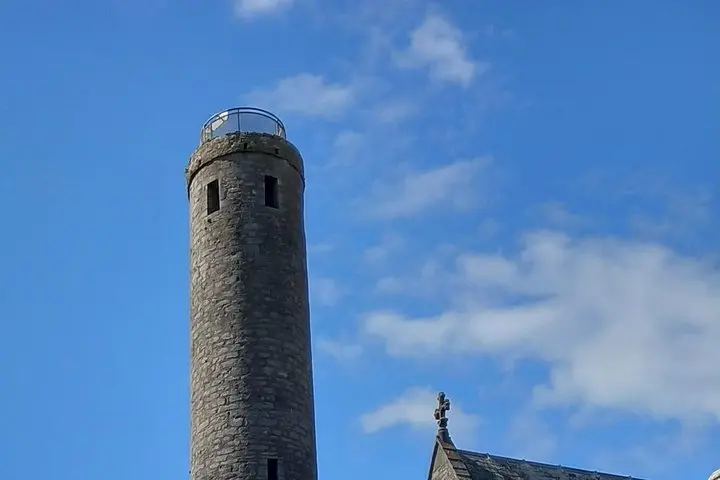
A low-slung minivan eases out of Dublin under a slate sky and the green of the Kildare plains rolls past — a soft, agricultural ribbon that opens into the compact streets of Kilkenny. Cobblestones click underfoot as visitors spill from the vehicle into the shadow of Kilkenny Castle; the River Nore nudges the walls and seems to dare you to follow its slow current.
A low-slung minivan eases out of Dublin under a slate sky and the green of the Kildare plains rolls past — a soft, agricultural ribbon that opens into the compact streets of Kilkenny. Cobblestones click underfoot as visitors spill from the vehicle into the shadow of Kilkenny Castle; the River Nore nudges the walls and seems to dare you to follow its slow current.
Kilkenny grew around a 13th-century Norman stronghold and the round tower of St. Canice’s Cathedral, while Waterford’s salt-tinged streets still carry traces of Viking longships and medieval merchants. The two-day itinerary stitches architecture and archaeology into a readable sequence: castle gatehouses, the Medieval Mile Museum’s recovered stones, then Reginald’s Tower and the Viking Triangle in Waterford where cobbles meet quay. Geologically, southeast Ireland rests on Carboniferous limestone and fertile alluvial plains, which shaped trade routes and settlements along the Nore and Suir.
Culturally the region is direct — pubs double as oral-history hubs, museums curate civic treasures, and storytellers recount the Butlers, Strongbow, and Viking settlers with equal relish.
Practical guide: this private tour includes hotel pickup, licensed driver-guide, and bottled water; expect light-to-moderate walking on uneven cobbles, museum stairs, and roughly 1–2 hours of driving between stops. Wear grippy shoes, pack a waterproof layer for sudden rain, and allow time for pub lunches and guided museum slots. Museums often permit both guided and self-guided visits; book any special-entry tickets in advance if you want guaranteed timed access.