THE ADVENTURE COLLECTIVE® · Independent discovery and booking for outdoor travel

Experience Dubrovnik’s Old Town after the crowds fade: a private, two-hour evening walk with a local guide through monastery cloisters, Rector’s Palace and the harbor. Perfect for travelers who want history, views and practical local tips without the daytime bustle.
Experience Dubrovnik’s Old Town after the crowds fade: a private, two-hour evening walk with a local guide through monastery cloisters, Rector’s Palace and the harbor. Perfect for travelers who want history, views and practical local tips without the daytime bustle.
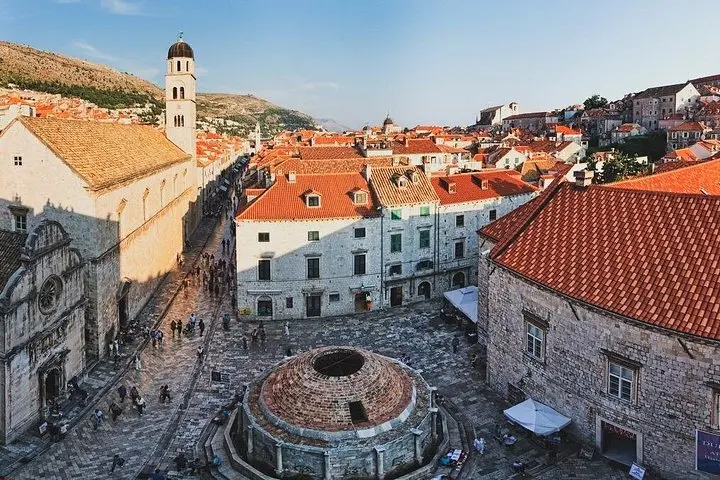
The light shifts in Dubrovnik as tourists thin and streetlamps pick out the pale stone—footsteps echo down the Placa, and the sea at the old harbor catches the last glint of day. On a private night walk the city changes tempo: alleys that felt crowded at noon become stages for stories, and the limestone walls of the medieval core read like weathered pages.
Verified experiences and guided adventures in the surrounding area.
Operated by Friendly Local Guides · Dubrovnik, Dubrovnik-Neretva
The light shifts in Dubrovnik as tourists thin and streetlamps pick out the pale stone—footsteps echo down the Placa, and the sea at the old harbor catches the last glint of day. On a private night walk the city changes tempo: alleys that felt crowded at noon become stages for stories, and the limestone walls of the medieval core read like weathered pages.
Dubrovnik’s Old Town grew up as the Republic of Ragusa, a maritime state whose wealth is written into Gothic, Renaissance and Baroque façades. The city sits on Jurassic and Cretaceous limestones folded into cliffs facing the Adriatic; the walls you’ll pass were optimized for cannon and watchfulness, later scarred and repaired after the 1991–92 siege. Local culture remains maritime and convivial—markets, small churches, and family-run konobas still define neighborhood life.
On this two-hour private route the guide threads Franciscan monastery cloisters, St. Saviour’s votive church, Rector’s Palace courtyards and the City Harbour pier, pausing for quiet vistas from Porporela and Luža Square. The night accentuates texture: carved gargoyles, narrow wells and quieter squares where locals meet.
Practical edge: cobblestones are uneven and humidity can make stone slick—good footwear and a charged phone flashlight matter. Expect narrow staircases and short bursts of walking; the guide customizes pacing and photo stops. Bring small-change euros for a late coffee or pastry, wear a light layer against Adriatic breeze, and arrive 10 minutes early to orient with your guide. The result is a focused, atmospheric walk through Dubrovnik’s living history—after dark, more intimate and less hurried than the daytime crowds.
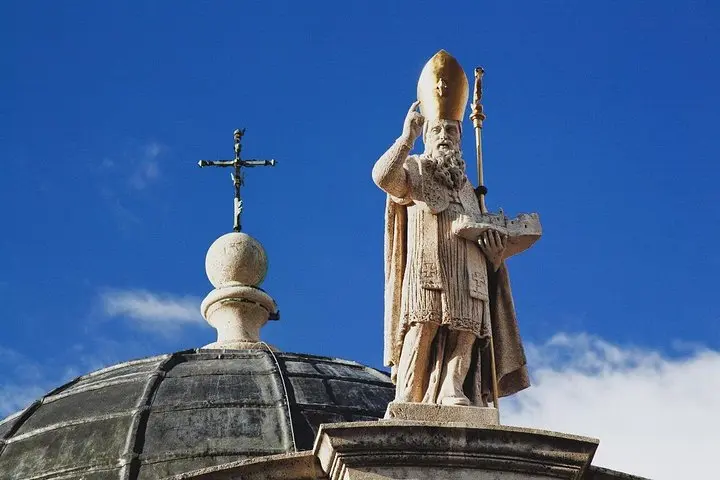
The meeting point is usually on the Placa (Stradun); the tour ends at Luža Square near the Church of St. Blaise or the harbor, depending on group preference.
Infants and small children in strollers can usually participate, but expect stone steps and narrow lanes—bring a carrier for easier movement.
Tours are led by local guides—confirm language availability when booking; English is commonly offered.
This private night walk focuses on exterior views and short interior glimpses; full museum admission may not be included—ask your guide if you wish to enter.
Friendly Local Guides operates guided outdoor trips and adventures with an emphasis on safety, stewardship, and memorable experiences.
The light shifts in Dubrovnik as tourists thin and streetlamps pick out the pale stone—footsteps echo down the Placa, and the sea at the old harbor catches the last glint of day. On a private night walk the city changes tempo: alleys that felt crowded at noon become stages for stories, and the limestone walls of the medieval core read like weathered pages.
The light shifts in Dubrovnik as tourists thin and streetlamps pick out the pale stone—footsteps echo down the Placa, and the sea at the old harbor catches the last glint of day. On a private night walk the city changes tempo: alleys that felt crowded at noon become stages for stories, and the limestone walls of the medieval core read like weathered pages.
Dubrovnik’s Old Town grew up as the Republic of Ragusa, a maritime state whose wealth is written into Gothic, Renaissance and Baroque façades. The city sits on Jurassic and Cretaceous limestones folded into cliffs facing the Adriatic; the walls you’ll pass were optimized for cannon and watchfulness, later scarred and repaired after the 1991–92 siege. Local culture remains maritime and convivial—markets, small churches, and family-run konobas still define neighborhood life.
On this two-hour private route the guide threads Franciscan monastery cloisters, St. Saviour’s votive church, Rector’s Palace courtyards and the City Harbour pier, pausing for quiet vistas from Porporela and Luža Square. The night accentuates texture: carved gargoyles, narrow wells and quieter squares where locals meet.
Practical edge: cobblestones are uneven and humidity can make stone slick—good footwear and a charged phone flashlight matter. Expect narrow staircases and short bursts of walking; the guide customizes pacing and photo stops. Bring small-change euros for a late coffee or pastry, wear a light layer against Adriatic breeze, and arrive 10 minutes early to orient with your guide. The result is a focused, atmospheric walk through Dubrovnik’s living history—after dark, more intimate and less hurried than the daytime crowds.