THE ADVENTURE COLLECTIVE® · Independent discovery and booking for outdoor travel

A full-day loop from Korčula and Orebić delivers a panoramic Pelješac drive, a stop at Ston’s salt pans, and several hours inside Dubrovnik’s UNESCO-listed walls — capped with a Pelješac wine tasting on the way back. Read on for what to expect, walking logistics and packing tips.
A full-day loop from Korčula and Orebić delivers a panoramic Pelješac drive, a stop at Ston’s salt pans, and several hours inside Dubrovnik’s UNESCO-listed walls — capped with a Pelješac wine tasting on the way back. Read on for what to expect, walking logistics and packing tips.
You begin on the road, windows framing the Pelješac peninsula as the Adriatic presses blue against limestone ridges. The minivan threads coastal switchbacks; salt pans at Ston flash like a patchwork of glass. By midmorning the walls of Dubrovnik appear — a compact fortress city rising from the sea, light catching on red tile roofs.
Verified experiences and guided adventures in the surrounding area.
Operated by KorkyraINFO · Dubrovnik, Dubrovnik-Neretva County
You begin on the road, windows framing the Pelješac peninsula as the Adriatic presses blue against limestone ridges. The minivan threads coastal switchbacks; salt pans at Ston flash like a patchwork of glass. By midmorning the walls of Dubrovnik appear — a compact fortress city rising from the sea, light catching on red tile roofs.
Dubrovnik’s stone ramparts date to medieval maritime republic days when the city managed trade across the eastern Adriatic. Its walls, roughly 1.9 km long and reaching up to about 25 m in places, were both deterrent and statement: the architecture records centuries of conflict, commerce and earthquake repair. Geologically you’ll see Dalmatian karst — exposed limestone and sheltered coves — shaping ports and vineyards alike. Local culture blends seafaring tradition with inland winemaking; the Pelješac peninsula is famous for robust Plavac Mali reds, which you’ll sample at a small wine museum on the return.
Expect cobbled streets, narrow alleys and many stone steps inside the Old Town; the wall circuit rewards steady pacing with sweeping harbor views and fortress bastions. Practical details: this is an all-day, guided excursion (about 11 hours) with hotel pickup; dress smartly — some operators request formal attire for certain stops — and bring comfortable, grippy walking shoes. Hydrate before the wall walk and allow 2–3 hours in Dubrovnik proper if you plan to walk the full circuit and visit a museum. Cameras, sun protection and a lightweight layer for coastal breezes will keep the day comfortable. Timing your visit early in the season or late afternoon reduces peak crowds and makes the Pelješac wine stop a relaxed finish to the journey.
Roundtrip time including stops is about 11 hours; the drive across Pelješac and the time in Dubrovnik are scheduled within that window.
Yes — the itinerary typically allows 2–3 hours to explore the Old Town and walk sections of the city walls, though exact timing can vary by day.
Entry fees for some attractions may vary by operator; the tour provides time to walk the walls but check whether admission is included or paid on site.
Pickup and drop-off are commonly offered; hotel pickup usually begins 30–60 minutes before the listed departure time—confirm your exact pickup point when booking.
KorkyraINFO operates guided outdoor trips and adventures with an emphasis on safety, stewardship, and memorable experiences.
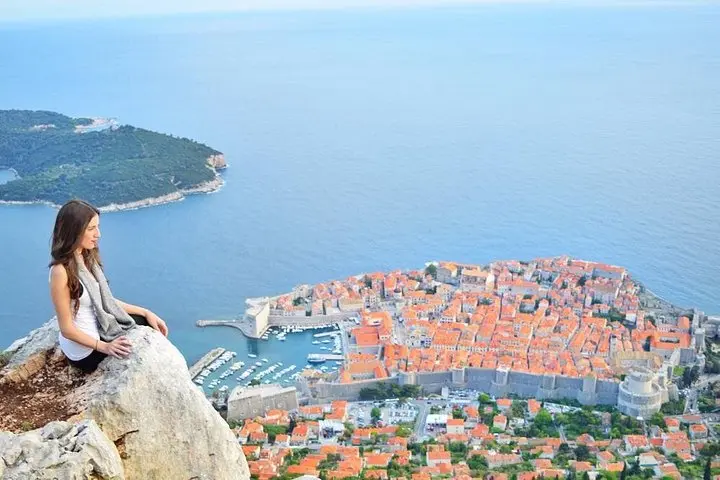
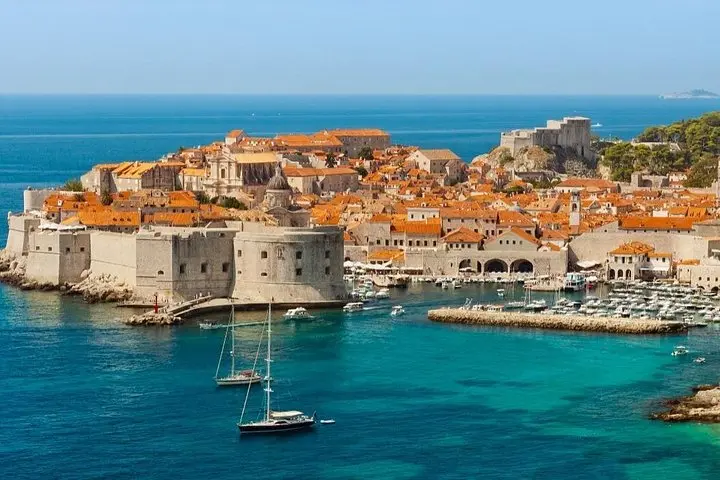
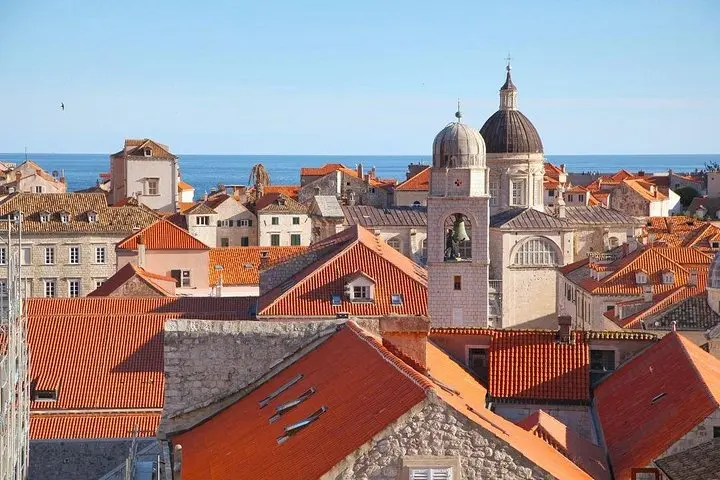
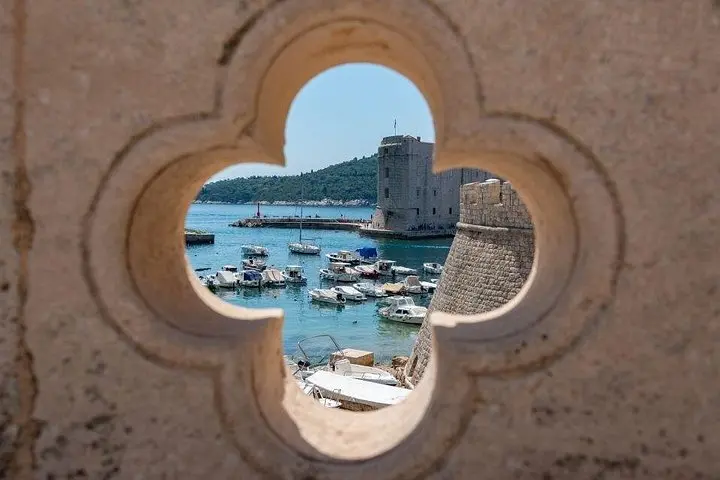
You begin on the road, windows framing the Pelješac peninsula as the Adriatic presses blue against limestone ridges. The minivan threads coastal switchbacks; salt pans at Ston flash like a patchwork of glass. By midmorning the walls of Dubrovnik appear — a compact fortress city rising from the sea, light catching on red tile roofs.
You begin on the road, windows framing the Pelješac peninsula as the Adriatic presses blue against limestone ridges. The minivan threads coastal switchbacks; salt pans at Ston flash like a patchwork of glass. By midmorning the walls of Dubrovnik appear — a compact fortress city rising from the sea, light catching on red tile roofs.
Dubrovnik’s stone ramparts date to medieval maritime republic days when the city managed trade across the eastern Adriatic. Its walls, roughly 1.9 km long and reaching up to about 25 m in places, were both deterrent and statement: the architecture records centuries of conflict, commerce and earthquake repair. Geologically you’ll see Dalmatian karst — exposed limestone and sheltered coves — shaping ports and vineyards alike. Local culture blends seafaring tradition with inland winemaking; the Pelješac peninsula is famous for robust Plavac Mali reds, which you’ll sample at a small wine museum on the return.
Expect cobbled streets, narrow alleys and many stone steps inside the Old Town; the wall circuit rewards steady pacing with sweeping harbor views and fortress bastions. Practical details: this is an all-day, guided excursion (about 11 hours) with hotel pickup; dress smartly — some operators request formal attire for certain stops — and bring comfortable, grippy walking shoes. Hydrate before the wall walk and allow 2–3 hours in Dubrovnik proper if you plan to walk the full circuit and visit a museum. Cameras, sun protection and a lightweight layer for coastal breezes will keep the day comfortable. Timing your visit early in the season or late afternoon reduces peak crowds and makes the Pelješac wine stop a relaxed finish to the journey.