THE ADVENTURE COLLECTIVE® · Independent discovery and booking for outdoor travel

Spend two hours with a local guide exploring Fort Lovrijenac and Dubrovnik’s Old Town—Romanesque streets, baroque squares, and a cliffside fortress with sweeping sea views. This private walk blends history, geology, and practical tips for making the most of a compact, storied city.
Spend two hours with a local guide exploring Fort Lovrijenac and Dubrovnik’s Old Town—Romanesque streets, baroque squares, and a cliffside fortress with sweeping sea views. This private walk blends history, geology, and practical tips for making the most of a compact, storied city.
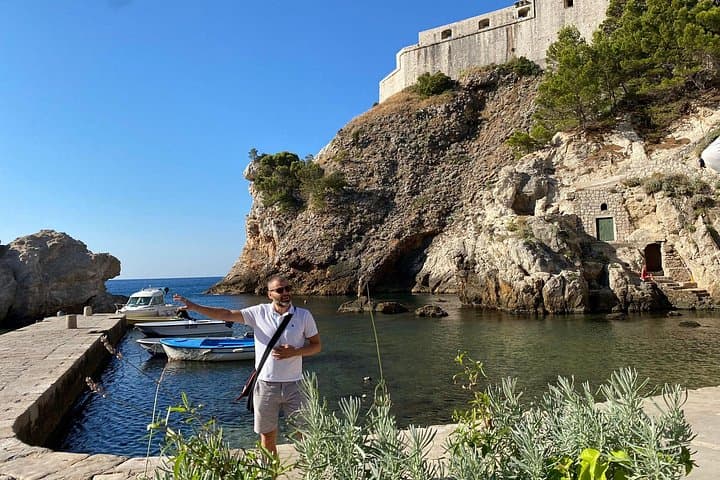
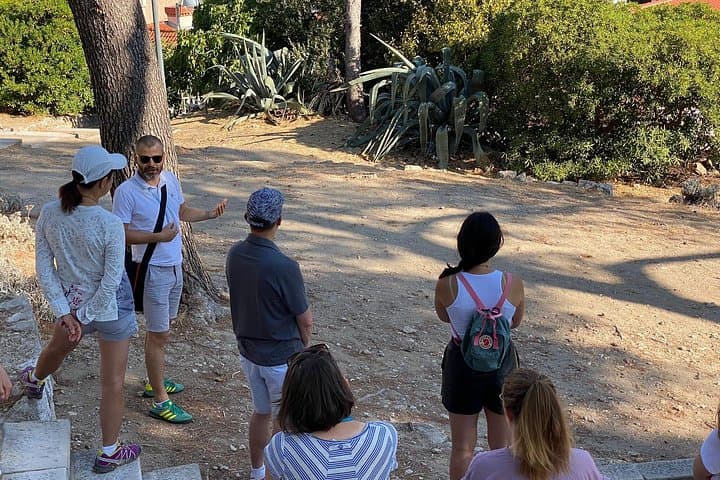
A sharp salt breeze meets stone as the guide opens the Pile Gate and the city’s soundscape—footsteps, church bells, the Adriatic’s hush—slides into view. The two-hour private tour moves from the busy threshold of Dubrovnik’s walls up to Fort Lovrijenac, where a battered cliff and a low, vigilant fortress frame a wide sweep of red roofs and bright sea.
Verified experiences and guided adventures in the surrounding area.
Operated by Best Dubrovnik Stay · Dubrovnik, Dubrovnik-Neretva County
A sharp salt breeze meets stone as the guide opens the Pile Gate and the city’s soundscape—footsteps, church bells, the Adriatic’s hush—slides into view. The two-hour private tour moves from the busy threshold of Dubrovnik’s walls up to Fort Lovrijenac, where a battered cliff and a low, vigilant fortress frame a wide sweep of red roofs and bright sea.
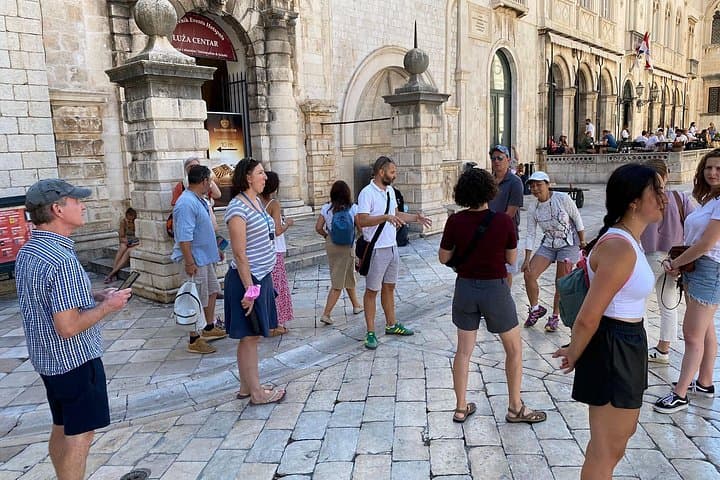
Fort Lovrijenac stands apart from the continuous city walls: a free-standing bastion built to guard the Republic of Ragusa from seaborne attack. The Old Town that follows is compact and deliberate—Stradun’s limestone ribbon, Luža Square’s bell tower and Orlando’s column, and the baroque stairs below St. Ignatius that mark social rhythms set over centuries. Geologically the coast is Dalmatian karst: limestone cliffs, thin soils, and scrub that sharpen the light and shift drainage toward the sea.
Culturally, Dubrovnik is still shaped by its history as a maritime republic—trade, diplomacy, and an emphasis on civic pageantry—and visitors will hear local stories that give context to the squares and palaces. Expect pockets of theatrical history: the fort is a live stage for summer plays, and the walls host a constant procession of viewpoints.
Practical guidance: wear sturdy walking shoes (sections of limestone can be slick), bring water and a hat for sun exposure, and plan to start early or late afternoon to avoid peak heat and crowds. The route includes some uneven steps and short climbs; it’s suitable for most fitness levels but not recommended for those with serious cardiovascular issues. Tickets are private and guided; admissions to certain sites may not be included, so confirm entry details with your operator before arrival.
Admission is not always included—the itinerary lists the fort visit but notes admission may be separate; confirm with the operator when booking.
The guide meets outside Pile Gate by the Tourist Information Office and finishes at the St. Ignatius Church baroque steps.
The walk is easy-paced and family-friendly, but it includes steps and short climbs; it’s not recommended for travelers with serious cardiovascular issues.
Service animals are allowed; other pets are subject to local rules and the guide’s discretion.
Best Dubrovnik Stay operates guided outdoor trips and adventures with an emphasis on safety, stewardship, and memorable experiences.

A sharp salt breeze meets stone as the guide opens the Pile Gate and the city’s soundscape—footsteps, church bells, the Adriatic’s hush—slides into view. The two-hour private tour moves from the busy threshold of Dubrovnik’s walls up to Fort Lovrijenac, where a battered cliff and a low, vigilant fortress frame a wide sweep of red roofs and bright sea.
A sharp salt breeze meets stone as the guide opens the Pile Gate and the city’s soundscape—footsteps, church bells, the Adriatic’s hush—slides into view. The two-hour private tour moves from the busy threshold of Dubrovnik’s walls up to Fort Lovrijenac, where a battered cliff and a low, vigilant fortress frame a wide sweep of red roofs and bright sea.
Fort Lovrijenac stands apart from the continuous city walls: a free-standing bastion built to guard the Republic of Ragusa from seaborne attack. The Old Town that follows is compact and deliberate—Stradun’s limestone ribbon, Luža Square’s bell tower and Orlando’s column, and the baroque stairs below St. Ignatius that mark social rhythms set over centuries. Geologically the coast is Dalmatian karst: limestone cliffs, thin soils, and scrub that sharpen the light and shift drainage toward the sea.
Culturally, Dubrovnik is still shaped by its history as a maritime republic—trade, diplomacy, and an emphasis on civic pageantry—and visitors will hear local stories that give context to the squares and palaces. Expect pockets of theatrical history: the fort is a live stage for summer plays, and the walls host a constant procession of viewpoints.
Practical guidance: wear sturdy walking shoes (sections of limestone can be slick), bring water and a hat for sun exposure, and plan to start early or late afternoon to avoid peak heat and crowds. The route includes some uneven steps and short climbs; it’s suitable for most fitness levels but not recommended for those with serious cardiovascular issues. Tickets are private and guided; admissions to certain sites may not be included, so confirm entry details with your operator before arrival.