THE ADVENTURE COLLECTIVE® · Independent discovery and booking for outdoor travel

Walk Dubrovnik’s Old Town through the lens of its Jewish history: visit one of Europe’s oldest Sephardic synagogues, explore the Jewish Museum, and learn how a Mediterranean trading hub shaped community life. This private 2-hour tour pairs expert storytelling with intimate access to hidden corners of the UNESCO-listed city.
Walk Dubrovnik’s Old Town through the lens of its Jewish history: visit one of Europe’s oldest Sephardic synagogues, explore the Jewish Museum, and learn how a Mediterranean trading hub shaped community life. This private 2-hour tour pairs expert storytelling with intimate access to hidden corners of the UNESCO-listed city.
You step through an arched stone gate and the Adriatic breeze tugs at your scarf, carrying salt and the low murmur of city life. The lane narrows, cobbles slope underfoot, and a plain wooden door opens onto one of Europe’s oldest Sephardic synagogues. For two hours a local expert traces the contours of Jewish life in Dubrovnik — the synagogue’s prayer hall, the museum’s ritual objects, and the network of streets that once formed the Jewish ghetto.
Verified experiences and guided adventures in the surrounding area.
Operated by Friendly Local Guides · Dubrovnik, Dubrovnik-Neretva County
You step through an arched stone gate and the Adriatic breeze tugs at your scarf, carrying salt and the low murmur of city life. The lane narrows, cobbles slope underfoot, and a plain wooden door opens onto one of Europe’s oldest Sephardic synagogues. For two hours a local expert traces the contours of Jewish life in Dubrovnik — the synagogue’s prayer hall, the museum’s ritual objects, and the network of streets that once formed the Jewish ghetto.
Dubrovnik’s Jewish story begins in the 14th century; records show a presence from 1352 and legal recognition by 1408. The Old Synagogue — operating as a museum and occasional place of worship — preserves artifacts of a community shaped by Mediterranean trade, Ladino language, and later, wartime ruptures. The city’s limestone and karst geology gives the Old Town its pale walls and steep stairways, and those same stones hold inscriptions and architectural traces that reveal everyday life across centuries.
Culturally, the tour reframes Dubrovnik beyond ramparts and palaces, centering streets where Jewish merchants lived and worked, and the Tolentino family’s long stewardship of the synagogue.
Practical guidance: wear grippy shoes for uneven cobbles and stone steps, bring a water bottle (no large bags allowed in tight interiors), and plan visits in morning or late afternoon to avoid midday heat and crowds. Photography is allowed in many spaces but follow the guide’s directions inside the synagogue and museum. The tour is compact, historically dense, and a focused way to see Dubrovnik from a different vantage point.
Yes — the tour includes entrance and time inside the Old Synagogue and the Jewish Museum, where the guide will explain artifacts and history.
The Old Town’s narrow streets and steps can be tight; infants in strollers may be accommodated but expect lifts or carrying on steps—check with the operator in advance.
Due to historic stone steps and uneven surfaces, full accessibility is limited; contact the provider to discuss route adjustments and feasibility before booking.
This private tour is led by a local expert—confirm available guide languages at booking to ensure a match for your group.
Friendly Local Guides operates guided outdoor trips and adventures with an emphasis on safety, stewardship, and memorable experiences.
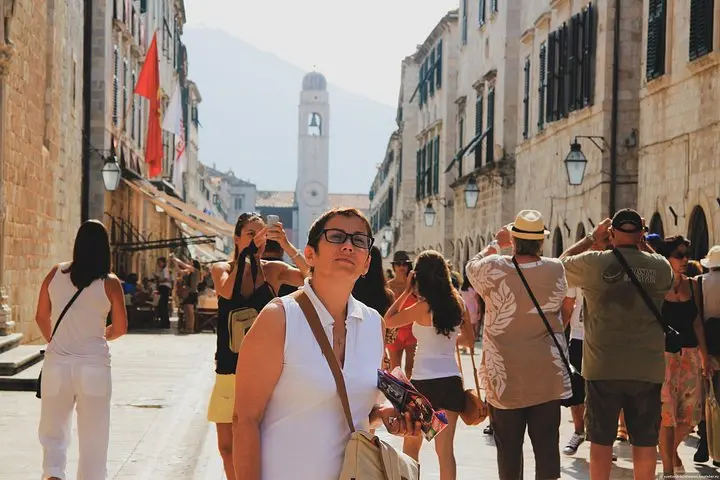
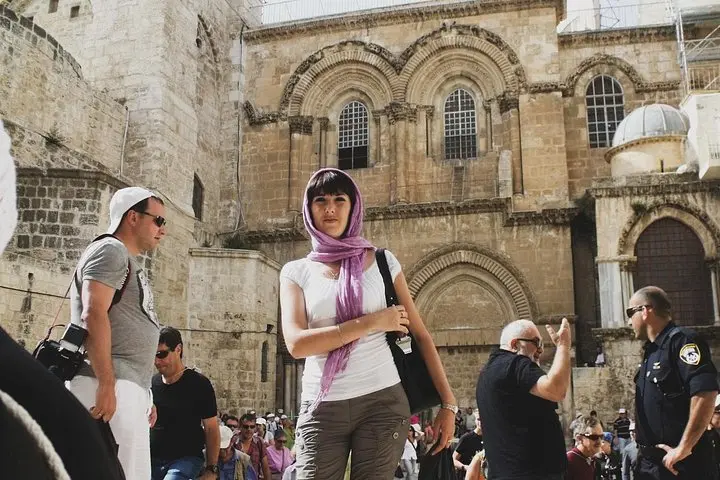
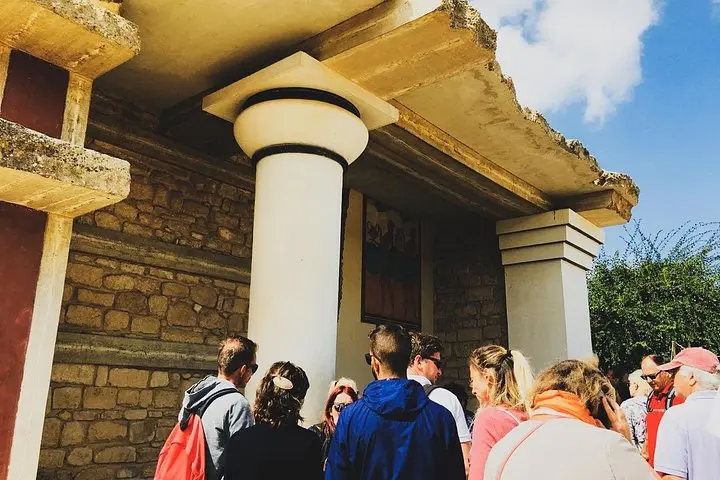
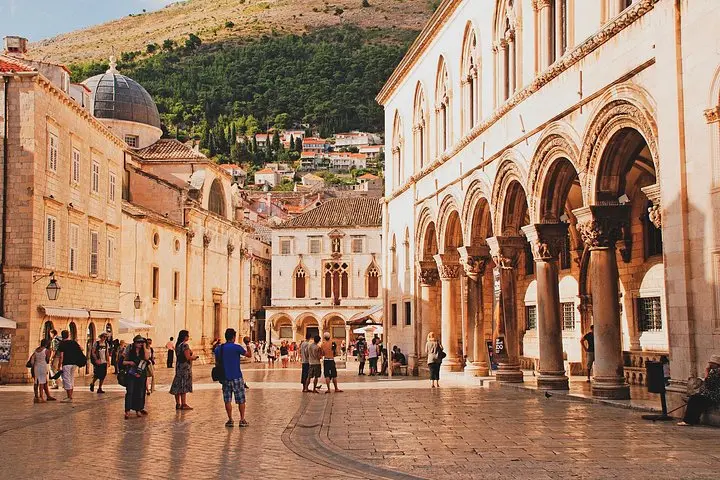
You step through an arched stone gate and the Adriatic breeze tugs at your scarf, carrying salt and the low murmur of city life. The lane narrows, cobbles slope underfoot, and a plain wooden door opens onto one of Europe’s oldest Sephardic synagogues. For two hours a local expert traces the contours of Jewish life in Dubrovnik — the synagogue’s prayer hall, the museum’s ritual objects, and the network of streets that once formed the Jewish ghetto.
You step through an arched stone gate and the Adriatic breeze tugs at your scarf, carrying salt and the low murmur of city life. The lane narrows, cobbles slope underfoot, and a plain wooden door opens onto one of Europe’s oldest Sephardic synagogues. For two hours a local expert traces the contours of Jewish life in Dubrovnik — the synagogue’s prayer hall, the museum’s ritual objects, and the network of streets that once formed the Jewish ghetto.
Dubrovnik’s Jewish story begins in the 14th century; records show a presence from 1352 and legal recognition by 1408. The Old Synagogue — operating as a museum and occasional place of worship — preserves artifacts of a community shaped by Mediterranean trade, Ladino language, and later, wartime ruptures. The city’s limestone and karst geology gives the Old Town its pale walls and steep stairways, and those same stones hold inscriptions and architectural traces that reveal everyday life across centuries.
Culturally, the tour reframes Dubrovnik beyond ramparts and palaces, centering streets where Jewish merchants lived and worked, and the Tolentino family’s long stewardship of the synagogue.
Practical guidance: wear grippy shoes for uneven cobbles and stone steps, bring a water bottle (no large bags allowed in tight interiors), and plan visits in morning or late afternoon to avoid midday heat and crowds. Photography is allowed in many spaces but follow the guide’s directions inside the synagogue and museum. The tour is compact, historically dense, and a focused way to see Dubrovnik from a different vantage point.