THE ADVENTURE COLLECTIVE® · Independent discovery and booking for outdoor travel

Take a compact, guided drive that stitches together Dubrovnik’s best viewpoints: the Franjo Tuđman bridge, the karst spring of the Ombla, and the summit of Srđ. Expect short walks, clear-water springs, and sweeping Adriatic vistas in a 1–2 hour tour.
Take a compact, guided drive that stitches together Dubrovnik’s best viewpoints: the Franjo Tuđman bridge, the karst spring of the Ombla, and the summit of Srđ. Expect short walks, clear-water springs, and sweeping Adriatic vistas in a 1–2 hour tour.
You step into an air-conditioned minivan and the city unfolds: terracotta roofs slip past the window, the Adriatic flashes, and the guide’s voice steadies the view like a compass. The first stop, the Franjo Tuđman bridge, offers an immediate panorama — the port, the ribbon of the Rijeka Dubrovačka, and the distant spokes of the Elaphiti Islands spread out beneath a wide Dalmatian sky.
Verified experiences and guided adventures in the surrounding area.
Operated by Ragusa Tours · Dubrovnik, Dubrovnik-Neretva County
You step into an air-conditioned minivan and the city unfolds: terracotta roofs slip past the window, the Adriatic flashes, and the guide’s voice steadies the view like a compass. The first stop, the Franjo Tuđman bridge, offers an immediate panorama — the port, the ribbon of the Rijeka Dubrovačka, and the distant spokes of the Elaphiti Islands spread out beneath a wide Dalmatian sky.
History and geology arrive hand-in-hand. The tiny Ombla river you’ll visit is a karst spring — roughly 30 metres of surface water fed by subterranean networks tied to the Trebišnjica basin. Srđ, the low Dinaric outcrop behind Dubrovnik, carries Napoleonic Fort Imperial, wartime scars from the 1990s, and a white cross that punctuates its ridge. Your guide mixes civic anecdotes, wartime memory, and practical local tips as you move between viewpoints.
Culturally, the tour compresses Dubrovnik’s long maritime story: island outposts, old trade routes, and coastal life shaped by the sea. Expect short walks at viewpoints, clean spring water at Ombla, and multiple photo stops — all within a 1–2 hour shared itinerary.
Practical guidance: bring layered clothing against wind on Srđ, a reusable water bottle, and a camera with a wide lens. Timing matters — late afternoon light softens the city walls and reduces midday heat. For mobility-limited travelers the route is largely accessible by vehicle, though some viewpoints require brief uphill steps. This panorama run is a compact way to read Dubrovnik’s landscape in a single span of sky and stone.
The shared panorama tour runs approximately 60–120 minutes depending on traffic and number of stops.
Yes — the tour includes hotel and port pickup and drop-off; confirm your pickup point when booking.
Stops involve short walks and some uphill steps at viewpoints; most sections are short and manageable but not fully wheelchair-free.
Yes — Ombla is a karst spring with very clear water and many visitors refill bottles, but avoid contaminating the source.
Ragusa Tours operates guided outdoor trips and adventures with an emphasis on safety, stewardship, and memorable experiences.
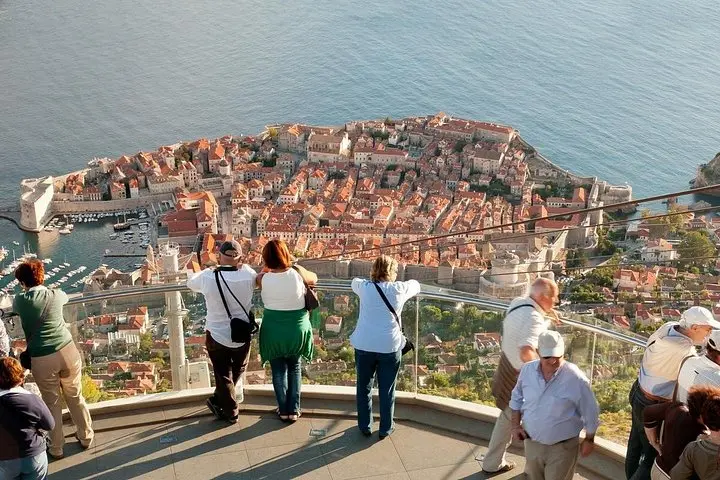
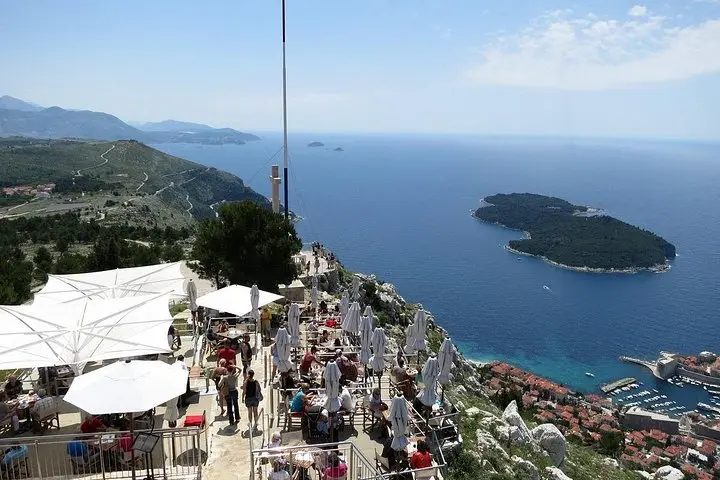
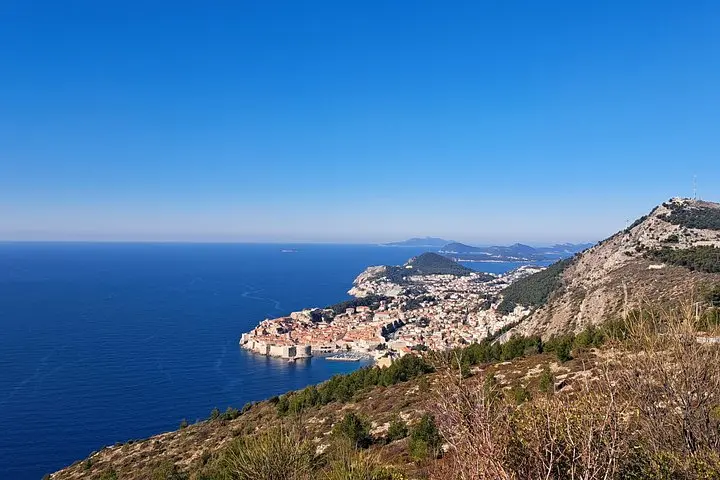
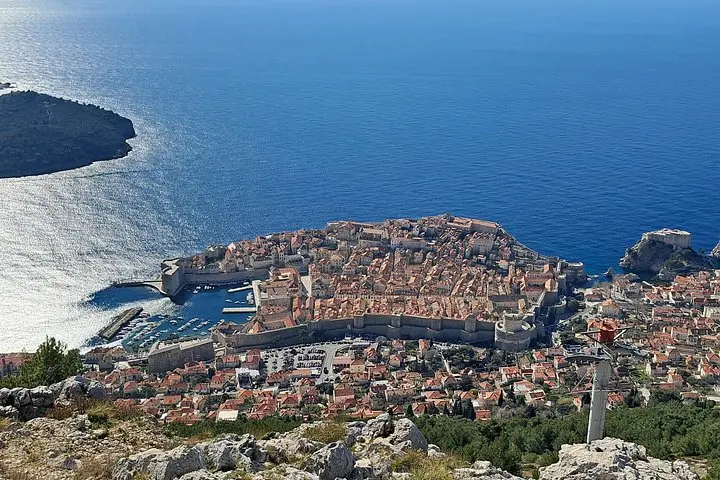
You step into an air-conditioned minivan and the city unfolds: terracotta roofs slip past the window, the Adriatic flashes, and the guide’s voice steadies the view like a compass. The first stop, the Franjo Tuđman bridge, offers an immediate panorama — the port, the ribbon of the Rijeka Dubrovačka, and the distant spokes of the Elaphiti Islands spread out beneath a wide Dalmatian sky.
You step into an air-conditioned minivan and the city unfolds: terracotta roofs slip past the window, the Adriatic flashes, and the guide’s voice steadies the view like a compass. The first stop, the Franjo Tuđman bridge, offers an immediate panorama — the port, the ribbon of the Rijeka Dubrovačka, and the distant spokes of the Elaphiti Islands spread out beneath a wide Dalmatian sky.
History and geology arrive hand-in-hand. The tiny Ombla river you’ll visit is a karst spring — roughly 30 metres of surface water fed by subterranean networks tied to the Trebišnjica basin. Srđ, the low Dinaric outcrop behind Dubrovnik, carries Napoleonic Fort Imperial, wartime scars from the 1990s, and a white cross that punctuates its ridge. Your guide mixes civic anecdotes, wartime memory, and practical local tips as you move between viewpoints.
Culturally, the tour compresses Dubrovnik’s long maritime story: island outposts, old trade routes, and coastal life shaped by the sea. Expect short walks at viewpoints, clean spring water at Ombla, and multiple photo stops — all within a 1–2 hour shared itinerary.
Practical guidance: bring layered clothing against wind on Srđ, a reusable water bottle, and a camera with a wide lens. Timing matters — late afternoon light softens the city walls and reduces midday heat. For mobility-limited travelers the route is largely accessible by vehicle, though some viewpoints require brief uphill steps. This panorama run is a compact way to read Dubrovnik’s landscape in a single span of sky and stone.