THE ADVENTURE COLLECTIVE® · Independent discovery and booking for outdoor travel

Spend a full day from Dubrovnik exploring karst caves, travertine waterfalls, and Ottoman-era sights across the Croatia–Bosnia border. This private tour combines geology, swimming spots, and cultural highlights like Mostar and Blagaj Tekija.
Spend a full day from Dubrovnik exploring karst caves, travertine waterfalls, and Ottoman-era sights across the Croatia–Bosnia border. This private tour combines geology, swimming spots, and cultural highlights like Mostar and Blagaj Tekija.
The day begins before the city fully wakes: the air off the Adriatic still, the vehicle easing away from Dubrovnik while limestone ridges and karst fields come into view.
Verified experiences and guided adventures in the surrounding area.
Operated by Cruiser Taxi · Dubrovnik, Dubrovnik-Neretva County
The day begins before the city fully wakes: the air off the Adriatic still, the vehicle easing away from Dubrovnik while limestone ridges and karst fields come into view.
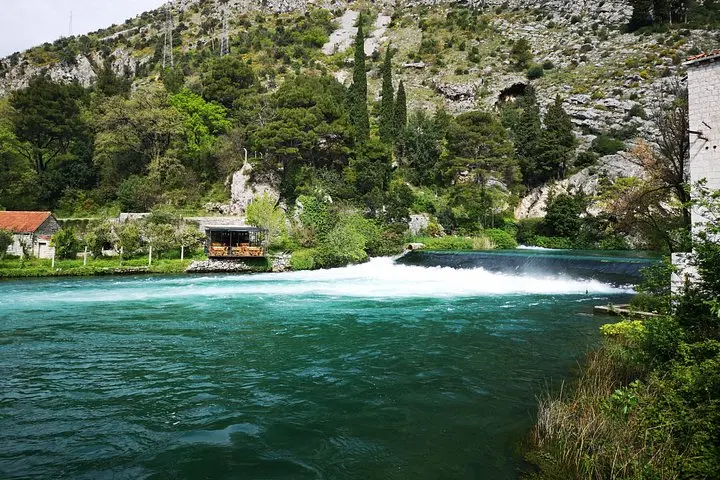
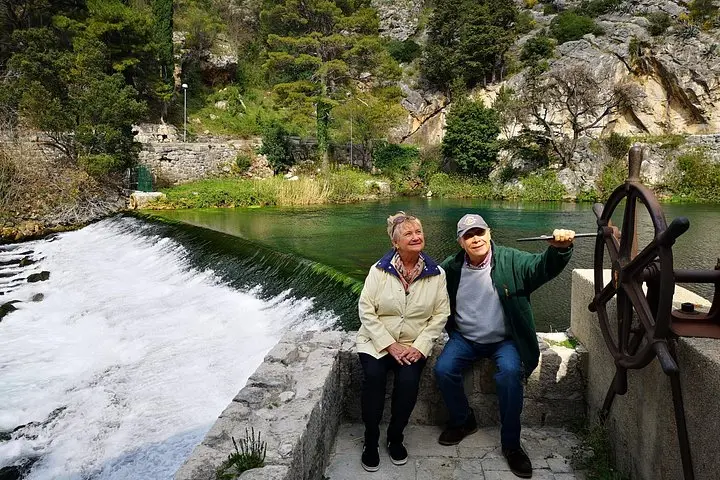
You arrive at the Ombla where a short river, fed from underground springs, spills with a steady, cool insistence—its water keeps the same temperature year-round and seems to dare you to slow down and listen. Trsteno Arboretum follows, where 15th-century gardens and a Renaissance fountain shade palms and cypresses, offering a calm counterpoint to the day's wilder stops.
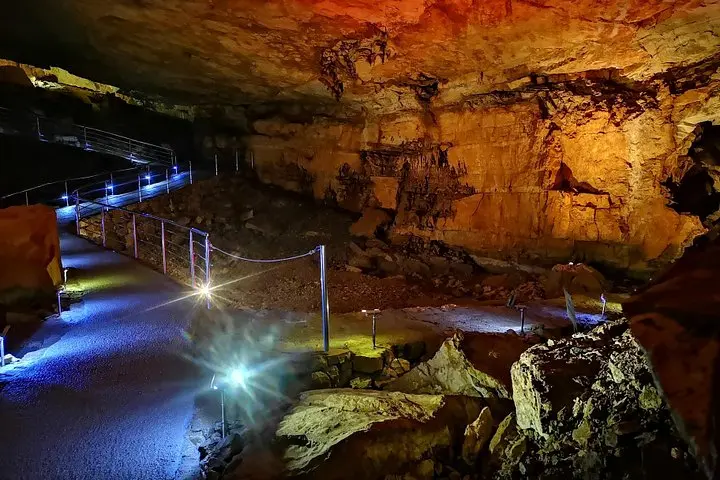
Crossing into Bosnia and Herzegovina, geology takes center stage. Vjetrenica Cave reveals stalactites, stalagmites, and subterranean lakes carved over millennia; the karst here tells of water chiseling rock into chambers that shelter rare invertebrates. Kravice Waterfall tumbles in terraces, pooling into emerald basins beneath forested cliffs, while Mostar’s Old Bridge and Blagaj Tekija add cultural depth—Ottoman-era architecture and a 16th-century dervish house set beside the forceful Buna spring.
Practically speaking, expect a long 10–12 hour day with multiple short walks, stairs in historic sites, and uneven cave floors. Bring good footwear, a light waterproof layer, and enough water for the day. Border checks are routine—carry ID and allow time. Plan to eat on the move or enjoy local cuisine near Blagaj. This private tour stitches geology, history, and riverside culture into a single, full-bodied day that rewards curiosity and sensible planning.
Yes. The tour crosses the Croatia–Bosnia and Herzegovina border; all travelers should carry a passport or accepted national ID.
Walking is mostly short but frequent—cave pathways, waterfall viewpoints and stairs in Mostar require steady footing but not technical climbing.
The itinerary notes some sites require admission; confirm with the operator whether entrance fees to caves or museums are included before booking.
Swimming is commonly allowed at Kravice in summer, but conditions and protected zones vary—follow local rules and operator guidance.
Cruiser Taxi operates guided outdoor trips and adventures with an emphasis on safety, stewardship, and memorable experiences.

The day begins before the city fully wakes: the air off the Adriatic still, the vehicle easing away from Dubrovnik while limestone ridges and karst fields come into view.
The day begins before the city fully wakes: the air off the Adriatic still, the vehicle easing away from Dubrovnik while limestone ridges and karst fields come into view.
You arrive at the Ombla where a short river, fed from underground springs, spills with a steady, cool insistence—its water keeps the same temperature year-round and seems to dare you to slow down and listen. Trsteno Arboretum follows, where 15th-century gardens and a Renaissance fountain shade palms and cypresses, offering a calm counterpoint to the day's wilder stops.
Crossing into Bosnia and Herzegovina, geology takes center stage. Vjetrenica Cave reveals stalactites, stalagmites, and subterranean lakes carved over millennia; the karst here tells of water chiseling rock into chambers that shelter rare invertebrates. Kravice Waterfall tumbles in terraces, pooling into emerald basins beneath forested cliffs, while Mostar’s Old Bridge and Blagaj Tekija add cultural depth—Ottoman-era architecture and a 16th-century dervish house set beside the forceful Buna spring.
Practically speaking, expect a long 10–12 hour day with multiple short walks, stairs in historic sites, and uneven cave floors. Bring good footwear, a light waterproof layer, and enough water for the day. Border checks are routine—carry ID and allow time. Plan to eat on the move or enjoy local cuisine near Blagaj. This private tour stitches geology, history, and riverside culture into a single, full-bodied day that rewards curiosity and sensible planning.