THE ADVENTURE COLLECTIVE® · Independent discovery and booking for outdoor travel

Three days of Adriatic coastlines, Ottoman bridges, Roman palaces and cascading turquoise lakes—this private tour strings the Balkans’ most iconic chapters into one compact journey. Expect long drives, layered history, and the kind of scenery that makes you stop the car for another photograph.
Three days of Adriatic coastlines, Ottoman bridges, Roman palaces and cascading turquoise lakes—this private tour strings the Balkans’ most iconic chapters into one compact journey. Expect long drives, layered history, and the kind of scenery that makes you stop the car for another photograph.
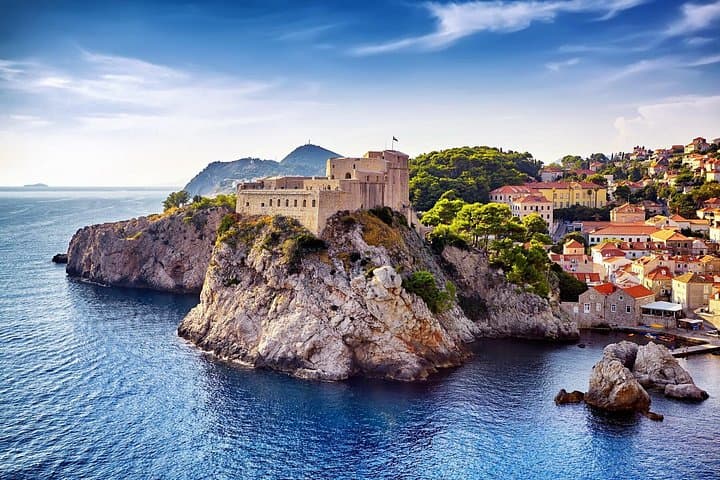
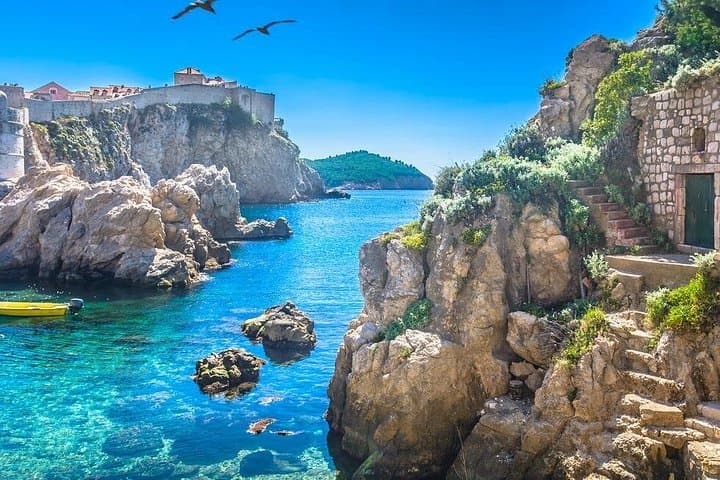
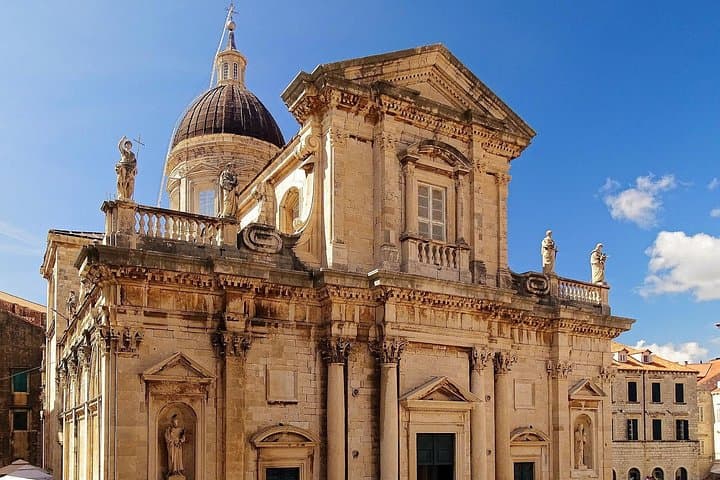
Morning light slices the Adriatic as a private minivan peels away from Dubrovnik’s ancient walls, and within an hour the coastal glare gives way to a softer inland palette—olive groves, limestone ridges, and villages hanging to the slopes. The tour is compact but deliberately varied: Bosnia’s Ottoman-era Mostar, Dalmatian Split’s Roman core, the water-carved hamlet of Rastoke, then Plitvice’s cathedral of waterfalls before a last stop in Zagreb. Each stop feels like a different chapter in the Balkans’ long, layered story.
Verified experiences and guided adventures in the surrounding area.
Operated by Zico Tours · Dubrovnik, Dubrovnik-Neretva County
Morning light slices the Adriatic as a private minivan peels away from Dubrovnik’s ancient walls, and within an hour the coastal glare gives way to a softer inland palette—olive groves, limestone ridges, and villages hanging to the slopes. The tour is compact but deliberately varied: Bosnia’s Ottoman-era Mostar, Dalmatian Split’s Roman core, the water-carved hamlet of Rastoke, then Plitvice’s cathedral of waterfalls before a last stop in Zagreb. Each stop feels like a different chapter in the Balkans’ long, layered story.
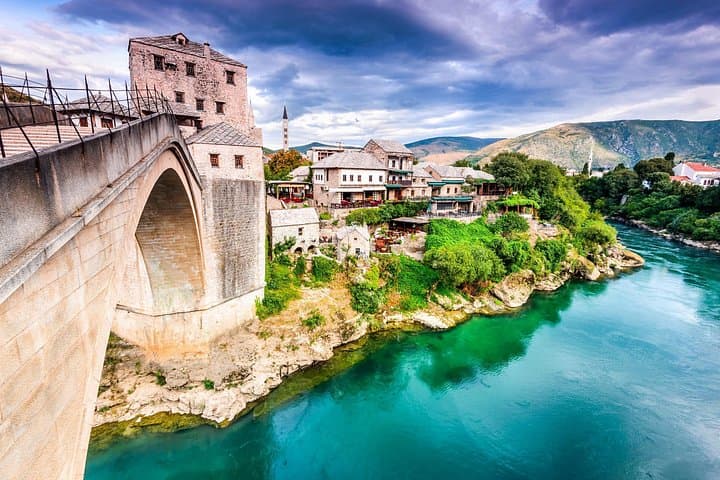
Mostar cracks open first. Stari Most—rebuilt after the war—arches like a photographer’s perfect comma over the Neretva River. Guides focus less on postcard shots and more on context: the bridge is both a crossing and a memory, a symbol of connection after conflict. The town’s bazaar supplies texture—ćevapi sizzling, copperware glinting, mosques and church bells in close conversation.
Split’s layer cake of time follows. Diocletian’s Palace is not a ruin but a living district: shops and apartments press against Roman columns, and the Riva waterfront hums with cafés. The guide parses the architecture—Roman engineering, Venetian additions—so you see why locals move through 17 centuries as easily as any high street.
The landscape shifts again toward Plitvice Lakes. Here geology does the talking: karst limestone has been sculpted by water into a sequence of turquoise basins linked by wooden walkways. Water doesn’t sit politely; it constantly reshapes the park, sealing travertine dams and daring you to keep up. A short boat crossing and electric train ride compress dozens of scenic moments into an afternoon of stepped trails, spray, and fall colors.
Practicality shapes the itinerary. The driving hours are real—expect two long transits—so the private transfer and bottled water included are purposeful comforts. Accommodation and most entry fees are handled, leaving you to focus on walking, listening, and ordering one more plate of grilled fish in Split. If you want fewer seats in the van and more time in a single place, consider adding an extra night in Split or Plitvice; the pace suits travelers who prefer curated variety over slow travel.
On the ground, pack footwear that can handle cobbles and boardwalks, and keep passports handy for the Bosnia crossing. Early starts yield softer light and thinner crowds at Plitvice; late afternoons are best for the Riva. Above all, this route rewards attention—history in stone, water that keeps moving, towns that still argue quietly with the past—while offering the structure of a private, three-day transfer that turns logistics into background noise.
Yes—this itinerary crosses into Bosnia and Herzegovina (Mostar) from Croatia, so a valid passport is required for all nationalities that need one.
Expect several hours of walking daily—short city tours on days one and two, and 2–4 hours of trail and boardwalk walking at Plitvice on day three.
Meals are generally not included; bottled water and transport are provided. Guides will recommend local restaurants in Mostar and Split.
Yes—this is a private tour with round-trip transfers by air-conditioned minivan and a professional guide.
The tour is private, so slight adjustments may be possible depending on timing and availability—request changes at booking or discuss with your guide.
Yes—park entry is included in the tour price per the itinerary description.
Zico Tours operates guided outdoor trips and adventures with an emphasis on safety, stewardship, and memorable experiences.
Morning light slices the Adriatic as a private minivan peels away from Dubrovnik’s ancient walls, and within an hour the coastal glare gives way to a softer inland palette—olive groves, limestone ridges, and villages hanging to the slopes. The tour is compact but deliberately varied: Bosnia’s Ottoman-era Mostar, Dalmatian Split’s Roman core, the water-carved hamlet of Rastoke, then Plitvice’s cathedral of waterfalls before a last stop in Zagreb. Each stop feels like a different chapter in the Balkans’ long, layered story.
Morning light slices the Adriatic as a private minivan peels away from Dubrovnik’s ancient walls, and within an hour the coastal glare gives way to a softer inland palette—olive groves, limestone ridges, and villages hanging to the slopes. The tour is compact but deliberately varied: Bosnia’s Ottoman-era Mostar, Dalmatian Split’s Roman core, the water-carved hamlet of Rastoke, then Plitvice’s cathedral of waterfalls before a last stop in Zagreb. Each stop feels like a different chapter in the Balkans’ long, layered story.
Mostar cracks open first. Stari Most—rebuilt after the war—arches like a photographer’s perfect comma over the Neretva River. Guides focus less on postcard shots and more on context: the bridge is both a crossing and a memory, a symbol of connection after conflict. The town’s bazaar supplies texture—ćevapi sizzling, copperware glinting, mosques and church bells in close conversation.
Split’s layer cake of time follows. Diocletian’s Palace is not a ruin but a living district: shops and apartments press against Roman columns, and the Riva waterfront hums with cafés. The guide parses the architecture—Roman engineering, Venetian additions—so you see why locals move through 17 centuries as easily as any high street.
The landscape shifts again toward Plitvice Lakes. Here geology does the talking: karst limestone has been sculpted by water into a sequence of turquoise basins linked by wooden walkways. Water doesn’t sit politely; it constantly reshapes the park, sealing travertine dams and daring you to keep up. A short boat crossing and electric train ride compress dozens of scenic moments into an afternoon of stepped trails, spray, and fall colors.
Practicality shapes the itinerary. The driving hours are real—expect two long transits—so the private transfer and bottled water included are purposeful comforts. Accommodation and most entry fees are handled, leaving you to focus on walking, listening, and ordering one more plate of grilled fish in Split. If you want fewer seats in the van and more time in a single place, consider adding an extra night in Split or Plitvice; the pace suits travelers who prefer curated variety over slow travel.
On the ground, pack footwear that can handle cobbles and boardwalks, and keep passports handy for the Bosnia crossing. Early starts yield softer light and thinner crowds at Plitvice; late afternoons are best for the Riva. Above all, this route rewards attention—history in stone, water that keeps moving, towns that still argue quietly with the past—while offering the structure of a private, three-day transfer that turns logistics into background noise.