THE ADVENTURE COLLECTIVE® · Independent discovery and booking for outdoor travel

A rugged two-day trek into Bhagwan Mahaveer Sanctuary leads to Dudhsagar’s four-tiered, 310m cascade — thunderous in the monsoon, accessible and scenic in the dry season. This guide outlines what to expect, how to prepare, and key safety considerations for visiting the ‘other side’ of Goa.
A rugged two-day trek into Bhagwan Mahaveer Sanctuary leads to Dudhsagar’s four-tiered, 310m cascade — thunderous in the monsoon, accessible and scenic in the dry season. This guide outlines what to expect, how to prepare, and key safety considerations for visiting the ‘other side’ of Goa.
You step off the dirt track into a damp hush: leaves slick with spray, a distant thunder that grows louder with each bend. The forest narrows and the Mandovi asserts itself — a braided ribbon that becomes Dudhsagar, a four-tiered drop tumbling 310 meters (1,017 ft) through the Western Ghats. On clear days the falls read like a single white column; in the monsoon they become an unbroken roar daring you closer.
Verified experiences and guided adventures in the surrounding area.
Operated by Adventuresome · Castle Rock, Goa
You step off the dirt track into a damp hush: leaves slick with spray, a distant thunder that grows louder with each bend. The forest narrows and the Mandovi asserts itself — a braided ribbon that becomes Dudhsagar, a four-tiered drop tumbling 310 meters (1,017 ft) through the Western Ghats. On clear days the falls read like a single white column; in the monsoon they become an unbroken roar daring you closer.
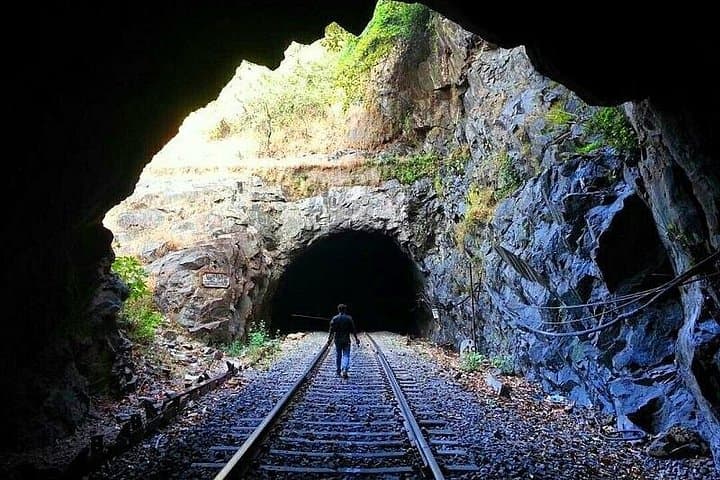
This route runs through Bhagwan Mahaveer Sanctuary and Mollem National Park, protected pockets of deciduous forest that mark the Goa–Karnataka boundary. Geologically, the falls trace resistant rock ledges and ancient gneiss that channel heavy rains into dramatic tiers; culturally, the area has long been a corridor for local mining and railway history, with tracks and villages—like Castle Rock—anchoring the edge of wilderness.
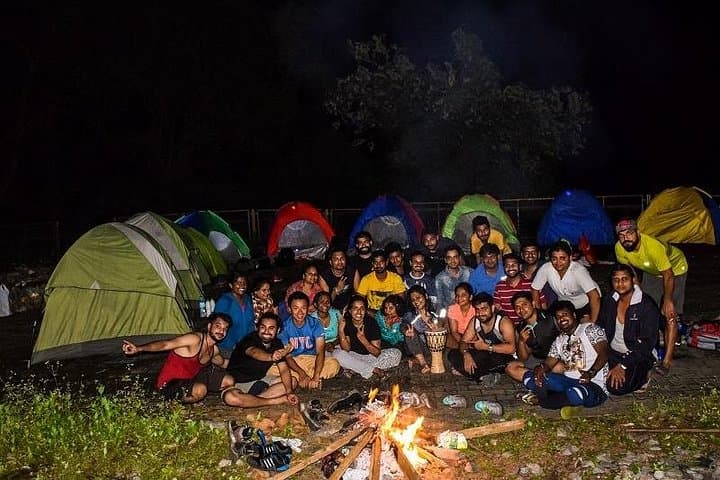
Expect dense jungle scents, sudden clearings with panoramic views, and a biodiversity that includes canopy birds and shy mammals. The itinerary typically covers ~12 km of trekking on uneven trails with river crossings, and an overnight at a nearby homestay if you opt for the full two-day trip.
Practical guidance: travel with a certified guide, carry at least 2–3 liters of water, and wear grippy waterproof footwear — the trail gets treacherous in wet weather. Respect park rules: no swimming in strong currents, pack out all trash, and avoid off-trail exploration to protect sensitive flora. Time your visit carefully — the falls are most spectacular during and immediately after the monsoon, but conditions demand caution. With preparation, this trek delivers raw, elemental river power and honest jungle travel rather than a polished tourist stop.
For the fullest falls visit during or immediately after the monsoon (June–September) but prepare for slippery conditions; December–February offers cooler, safer trekking with reduced flow.
Yes—entry rules vary and guided trips typically handle permits; independent visitors should check with park authorities or local outfitters in advance.
Swimming is risky due to strong currents and submerged rocks; avoid swimming except where a guide confirms a safe, calm pool.
The trek covers roughly 10–12 km of mixed terrain with some steep and wet sections; a moderate fitness level and surefootedness are recommended.
Adventuresome operates guided outdoor trips and adventures with an emphasis on safety, stewardship, and memorable experiences.
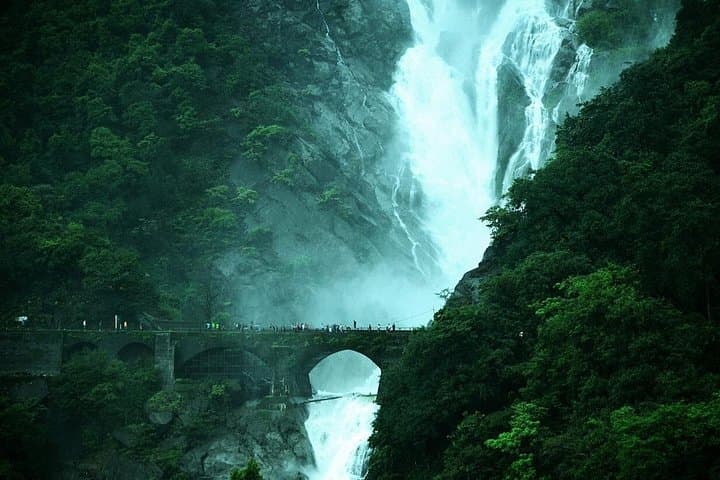
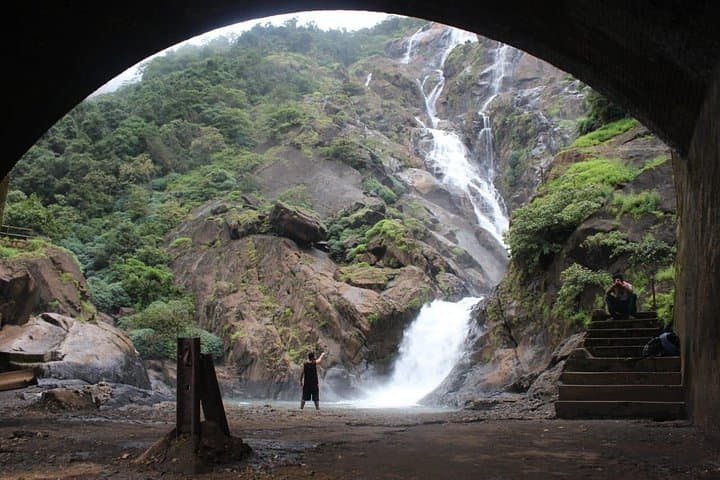
You step off the dirt track into a damp hush: leaves slick with spray, a distant thunder that grows louder with each bend. The forest narrows and the Mandovi asserts itself — a braided ribbon that becomes Dudhsagar, a four-tiered drop tumbling 310 meters (1,017 ft) through the Western Ghats. On clear days the falls read like a single white column; in the monsoon they become an unbroken roar daring you closer.
You step off the dirt track into a damp hush: leaves slick with spray, a distant thunder that grows louder with each bend. The forest narrows and the Mandovi asserts itself — a braided ribbon that becomes Dudhsagar, a four-tiered drop tumbling 310 meters (1,017 ft) through the Western Ghats. On clear days the falls read like a single white column; in the monsoon they become an unbroken roar daring you closer.
This route runs through Bhagwan Mahaveer Sanctuary and Mollem National Park, protected pockets of deciduous forest that mark the Goa–Karnataka boundary. Geologically, the falls trace resistant rock ledges and ancient gneiss that channel heavy rains into dramatic tiers; culturally, the area has long been a corridor for local mining and railway history, with tracks and villages—like Castle Rock—anchoring the edge of wilderness.
Expect dense jungle scents, sudden clearings with panoramic views, and a biodiversity that includes canopy birds and shy mammals. The itinerary typically covers ~12 km of trekking on uneven trails with river crossings, and an overnight at a nearby homestay if you opt for the full two-day trip.
Practical guidance: travel with a certified guide, carry at least 2–3 liters of water, and wear grippy waterproof footwear — the trail gets treacherous in wet weather. Respect park rules: no swimming in strong currents, pack out all trash, and avoid off-trail exploration to protect sensitive flora. Time your visit carefully — the falls are most spectacular during and immediately after the monsoon, but conditions demand caution. With preparation, this trek delivers raw, elemental river power and honest jungle travel rather than a polished tourist stop.