THE ADVENTURE COLLECTIVE® · Independent discovery and booking for outdoor travel

Leave Zadar’s quay for a high-energy speedboat day around Dugi Otok—snorkeling an 18th-century wreck, exploring Veli Rat lighthouse, swimming in Golubinka cave, and sunning on Sakarun’s white sand. This small-group day trip balances active sea time with local insights and practical support.
Leave Zadar’s quay for a high-energy speedboat day around Dugi Otok—snorkeling an 18th-century wreck, exploring Veli Rat lighthouse, swimming in Golubinka cave, and sunning on Sakarun’s white sand. This small-group day trip balances active sea time with local insights and practical support.
The speedboat slips away from Zadar’s sun-baked quay and the city’s Roman stones slide astern. Salt hits the air and the archipelago sharpens into a scatter of limestone like broken coins. You feel the pace immediately—this is not a languid ferry ride but a day built around momentum: fast cruising, short hikes off the boat, swims from the gunwale, and long stretches of mask-and-snorkel quiet under a dome of blue.
Verified experiences and guided adventures in the surrounding area.
Operated by Alamar Travel · Zadar, Zadar County
The speedboat slips away from Zadar’s sun-baked quay and the city’s Roman stones slide astern. Salt hits the air and the archipelago sharpens into a scatter of limestone like broken coins. You feel the pace immediately—this is not a languid ferry ride but a day built around momentum: fast cruising, short hikes off the boat, swims from the gunwale, and long stretches of mask-and-snorkel quiet under a dome of blue.
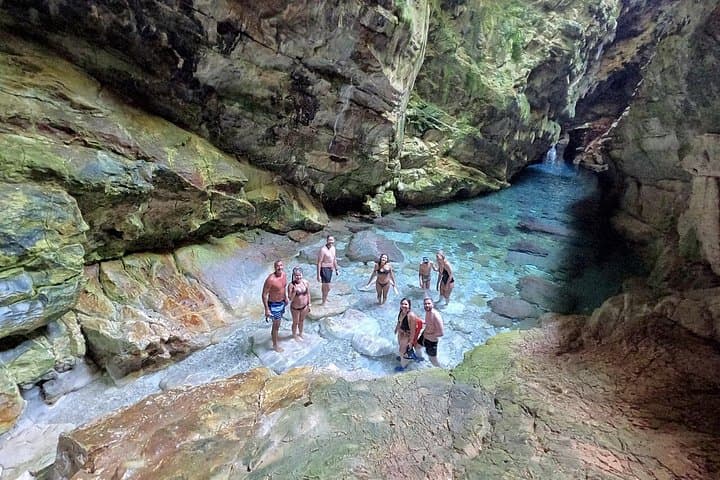
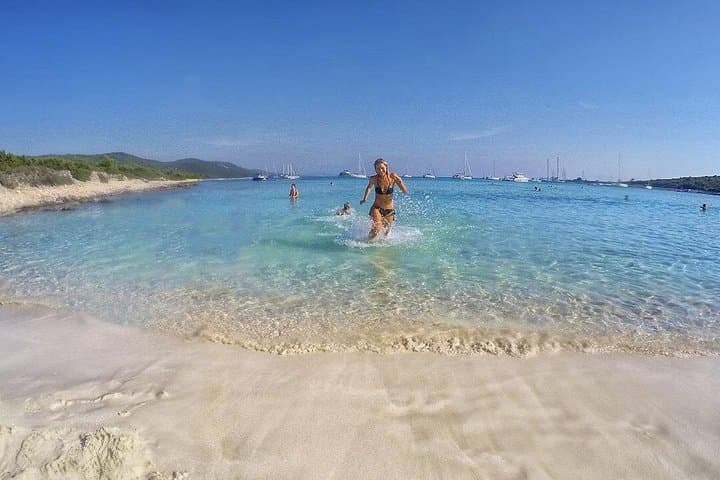
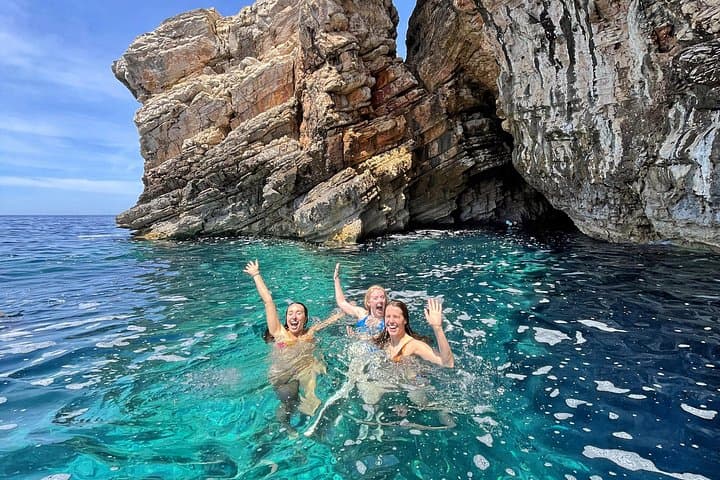
Dugi Otok, the island you’ll spend the day exploring, is long and lean—its name literally means "long island." The tour stitches together its dramatic coastline: an 18th-century wreck for snorkelers, the bleached-white Veli Rat lighthouse standing on a headland, the shallow turquoise of Sakarun Beach, and the cavernous Golubinka sea cave with its Dragon’s Eye pool. A stop at the village of Božava includes old military tunnels carved into the rock—reminders of the region’s layered past, from Venetian salt trade to 20th-century coastal defenses.
Geology here is straightforward and striking: karst limestone worn by wind and waves into cliffs, sea caves, and sandy coves. The sea is the island’s active agent—etching cliffs, lifting Posidonia meadows, and hiding ship timbers beneath dazzling clarity. The tour guides are locals who grew up on these currents; they read weather like a second language and point out pelicans, dolphins, and nesting falcons with equal ease.
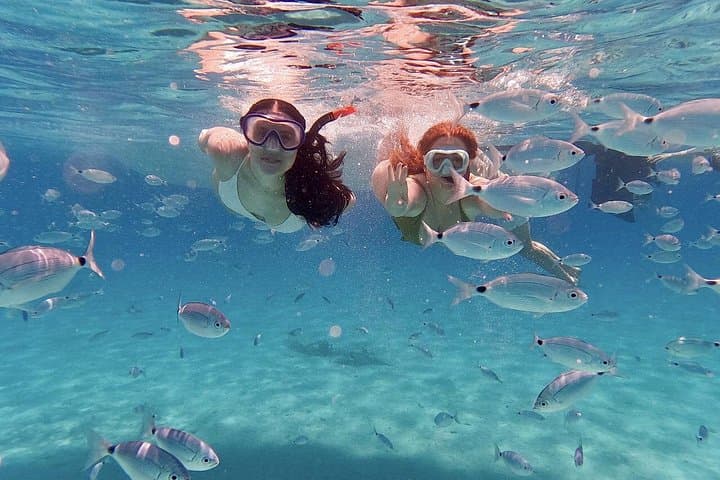
Practicality shapes the day. Expect roughly eight hours from a Zadar meeting point on Obala Kneza Branimira; the group size is small, and the boat’s speed means you’ll cover a lot of coastline. Snorkeling equipment and bottled water are provided, and the operator carries a GoPro to capture underwater moments. The itinerary is weather-dependent—Telašćica Bay and parts of the Kornati archipelago are bonus stops reserved for calm seas.
For travelers: bring reef shoes and a well-fitting mask if you have one, reef-safe sunscreen, and a light wind layer for the return run. Swim confidence and a moderate level of fitness are required—this trip asks you to enter the water repeatedly and board from low gunwales.
Timing matters. Early summer offers sea temperatures that are friendly for long snorkels; July and August bring crowds but the truest turquoise. Respect protected areas: anchors and moorings are paid for because these bays are managed for wildlife and fisheries, and avoiding contact with seagrass helps the whole ecosystem thrive.
By day’s end you’ll have logged headings, coves, and small discoveries—the kind of map that sticks in your head. It’s an active, social, and fast-moving way to know Dugi Otok: part geology lesson, part underwater safari, and all focused on the sea that keeps drawing people back to this edge of the Adriatic.
Meeting point is Obala Kneza Branimira 20 on Zadar’s waterfront; guides send a photo of the boat the day before.
Yes—basic masks and snorkels are included; bringing your own mask is recommended for comfort.
No — this tour is not recommended for non-swimmers due to repeated water entries and open-sea snorkeling.
Children under 15 are not recommended on this tour because of safety and the active nature of the itinerary.
The operator may cancel or alter the route; full refunds are available if you cancel at least 24 hours in advance or if the tour is called off for weather.
The boat carries bottled water and an ice box with drinks; plan to bring snacks or a packed lunch if you need more substantial food.
Alamar Travel operates guided outdoor trips and adventures with an emphasis on safety, stewardship, and memorable experiences.
The speedboat slips away from Zadar’s sun-baked quay and the city’s Roman stones slide astern. Salt hits the air and the archipelago sharpens into a scatter of limestone like broken coins. You feel the pace immediately—this is not a languid ferry ride but a day built around momentum: fast cruising, short hikes off the boat, swims from the gunwale, and long stretches of mask-and-snorkel quiet under a dome of blue.
The speedboat slips away from Zadar’s sun-baked quay and the city’s Roman stones slide astern. Salt hits the air and the archipelago sharpens into a scatter of limestone like broken coins. You feel the pace immediately—this is not a languid ferry ride but a day built around momentum: fast cruising, short hikes off the boat, swims from the gunwale, and long stretches of mask-and-snorkel quiet under a dome of blue.
Dugi Otok, the island you’ll spend the day exploring, is long and lean—its name literally means "long island." The tour stitches together its dramatic coastline: an 18th-century wreck for snorkelers, the bleached-white Veli Rat lighthouse standing on a headland, the shallow turquoise of Sakarun Beach, and the cavernous Golubinka sea cave with its Dragon’s Eye pool. A stop at the village of Božava includes old military tunnels carved into the rock—reminders of the region’s layered past, from Venetian salt trade to 20th-century coastal defenses.
Geology here is straightforward and striking: karst limestone worn by wind and waves into cliffs, sea caves, and sandy coves. The sea is the island’s active agent—etching cliffs, lifting Posidonia meadows, and hiding ship timbers beneath dazzling clarity. The tour guides are locals who grew up on these currents; they read weather like a second language and point out pelicans, dolphins, and nesting falcons with equal ease.
Practicality shapes the day. Expect roughly eight hours from a Zadar meeting point on Obala Kneza Branimira; the group size is small, and the boat’s speed means you’ll cover a lot of coastline. Snorkeling equipment and bottled water are provided, and the operator carries a GoPro to capture underwater moments. The itinerary is weather-dependent—Telašćica Bay and parts of the Kornati archipelago are bonus stops reserved for calm seas.
For travelers: bring reef shoes and a well-fitting mask if you have one, reef-safe sunscreen, and a light wind layer for the return run. Swim confidence and a moderate level of fitness are required—this trip asks you to enter the water repeatedly and board from low gunwales.
Timing matters. Early summer offers sea temperatures that are friendly for long snorkels; July and August bring crowds but the truest turquoise. Respect protected areas: anchors and moorings are paid for because these bays are managed for wildlife and fisheries, and avoiding contact with seagrass helps the whole ecosystem thrive.
By day’s end you’ll have logged headings, coves, and small discoveries—the kind of map that sticks in your head. It’s an active, social, and fast-moving way to know Dugi Otok: part geology lesson, part underwater safari, and all focused on the sea that keeps drawing people back to this edge of the Adriatic.