THE ADVENTURE COLLECTIVE® · Independent discovery and booking for outdoor travel

Experience one of China’s oldest engineering feats at Dujiangyan, then hike the forested slopes of Mount Qingcheng—the birthplace of Taoism. This day tour pairs cultural context with a moderate mountain walk and panoramic summit views.
Experience one of China’s oldest engineering feats at Dujiangyan, then hike the forested slopes of Mount Qingcheng—the birthplace of Taoism. This day tour pairs cultural context with a moderate mountain walk and panoramic summit views.
Morning fog lifts off the Min River as the van threads out of Chengdu, and the first view of Dujiangyan’s stone channels feels less like an archaeological exhibit and more like a living machine—water moving with intent, shaped by hands from 256 BC.
Verified experiences and guided adventures in the surrounding area.
Operated by Jiuzhai Minjiang International Travel Service · Dujiangyan, Sichuan
Morning fog lifts off the Min River as the van threads out of Chengdu, and the first view of Dujiangyan’s stone channels feels less like an archaeological exhibit and more like a living machine—water moving with intent, shaped by hands from 256 BC.
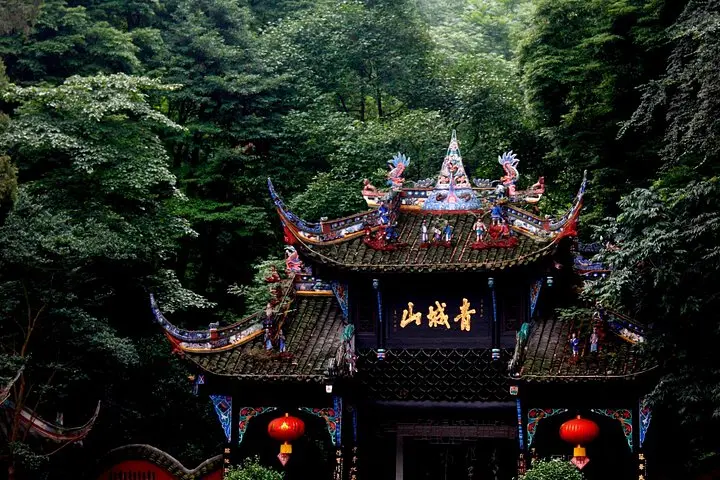
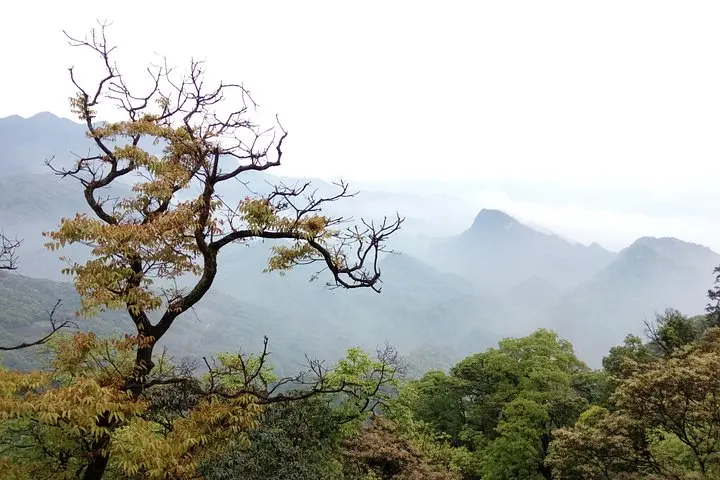
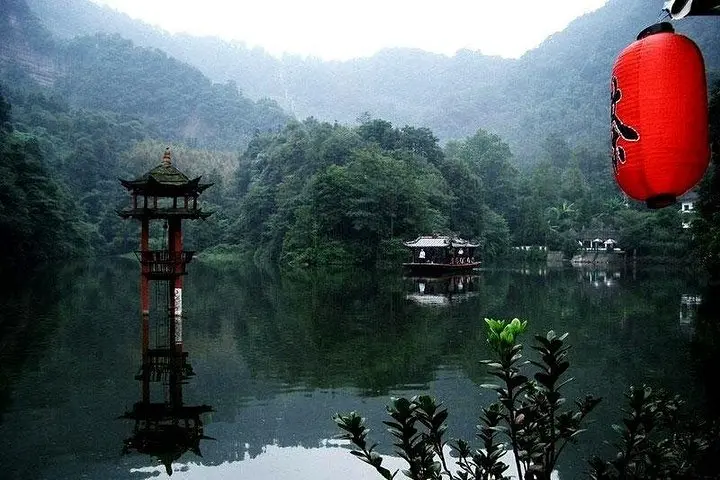
You’ll step from the modern roadside into a landscape engineered for millennia: low stone weirs that split the river, old sluices that still manage floods, and terraces that explain why Sichuan long earned the name “Land of Abundance.” The route then climbs into Mount Qingcheng’s forest—cool, moss-slick steps and pines that seem to slow the world. Jianfu Palace and the Tianshi Cave punctuate the ascent, each site layered with Taoist ritual and local craft traditions; the summit opens into a blunt, green panorama over Dujiangyan city and the plain beyond.
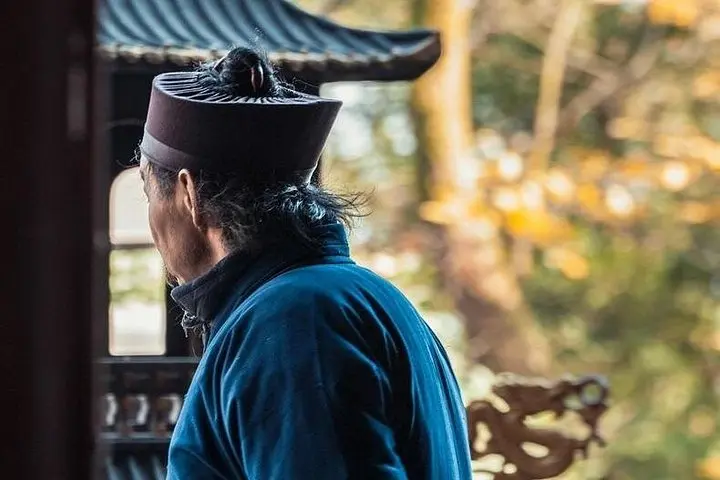
Geology here is simple but telling: gentle granitic ridges, deeply weathered, with streams that have carved access routes and fed the irrigation works below. Culturally the area is a living Taoist center—temple incense and calligraphy coexist with farmers’ fields and tea houses.
Practical guide: allow the better part of a day (this tour includes transport), wear grippy shoes—the mountain trail has stone steps and occasional roots—carry water and a light rain layer, and plan snacks or check the included lunch timing. Respect temple etiquette, stay on marked paths to protect fragile soils, and aim to arrive midweek or early to avoid tour crowds.
Typical transfer time is about 1–1.5 hours each way depending on traffic, built into the day-tour schedule.
This tour description indicates admissions are included for the itinerary sites, but confirm at booking for exact ticket coverage.
The hike involves uneven stone steps and moderate climbs—children and older adults should be reasonably mobile; those with heart conditions are advised not to participate.
Spring and autumn offer cooler, clearer hiking conditions; summer can be hot and crowded, while winter is quieter but cooler on exposed sections.
Jiuzhai Minjiang International Travel Service operates guided outdoor trips and adventures with an emphasis on safety, stewardship, and memorable experiences.
Morning fog lifts off the Min River as the van threads out of Chengdu, and the first view of Dujiangyan’s stone channels feels less like an archaeological exhibit and more like a living machine—water moving with intent, shaped by hands from 256 BC.
Morning fog lifts off the Min River as the van threads out of Chengdu, and the first view of Dujiangyan’s stone channels feels less like an archaeological exhibit and more like a living machine—water moving with intent, shaped by hands from 256 BC.
You’ll step from the modern roadside into a landscape engineered for millennia: low stone weirs that split the river, old sluices that still manage floods, and terraces that explain why Sichuan long earned the name “Land of Abundance.” The route then climbs into Mount Qingcheng’s forest—cool, moss-slick steps and pines that seem to slow the world. Jianfu Palace and the Tianshi Cave punctuate the ascent, each site layered with Taoist ritual and local craft traditions; the summit opens into a blunt, green panorama over Dujiangyan city and the plain beyond.
Geology here is simple but telling: gentle granitic ridges, deeply weathered, with streams that have carved access routes and fed the irrigation works below. Culturally the area is a living Taoist center—temple incense and calligraphy coexist with farmers’ fields and tea houses.
Practical guide: allow the better part of a day (this tour includes transport), wear grippy shoes—the mountain trail has stone steps and occasional roots—carry water and a light rain layer, and plan snacks or check the included lunch timing. Respect temple etiquette, stay on marked paths to protect fragile soils, and aim to arrive midweek or early to avoid tour crowds.