THE ADVENTURE COLLECTIVE® · Independent discovery and booking for outdoor travel

Spend a full day behind the scenes at Dujiangyan Panda Base helping keepers prepare bamboo, clean enclosures and observe behavior. This hands-on volunteer program includes private transport, lunch and a chance to learn elder-panda care — no feeding or holding under current health rules.
Spend a full day behind the scenes at Dujiangyan Panda Base helping keepers prepare bamboo, clean enclosures and observe behavior. This hands-on volunteer program includes private transport, lunch and a chance to learn elder-panda care — no feeding or holding under current health rules.
Morning light slants through towering bamboo as you step from the van into the Dujiangyan Panda Base. Keepers in green aprons move with practiced calm; the air smells of fresh-cut bamboo and warm earth. A juvenile panda blinks at a distant noise while staff brief volunteers — today you'll be on the team that prepares food, cleans enclosures and records behavior.
Verified experiences and guided adventures in the surrounding area.
Operated by ChengDu WestChinaGo Travel Service · Dujiangyan, Sichuan
Morning light slants through towering bamboo as you step from the van into the Dujiangyan Panda Base. Keepers in green aprons move with practiced calm; the air smells of fresh-cut bamboo and warm earth. A juvenile panda blinks at a distant noise while staff brief volunteers — today you'll be on the team that prepares food, cleans enclosures and records behavior.
The Dujiangyan area sits on the western edge of the fertile Sichuan Basin, its hills carved by millennia of rivers and the famous Dujiangyan Irrigation Project (built 2,000+ years ago). Modern conservation here grew from regional breeding programs established in the late 20th century; Chengdu and its surrounding bases are now central to China’s giant panda recovery efforts. Local culture prizes the panda as a national symbol, and the base blends scientific work with community outreach.
Expect a practical, hands-on day: you’ll don volunteer workwear, smash and stack bamboo, clean pens, and help prepare supplemental meals. Observe and log behaviors during designated windows and watch keepers perform training sessions. Lunch in the staff canteen gives a close look at daily routines, and the afternoon includes elder-panda care and a short documentary. Photos are allowed only where staff permit; feeding and holding are not permitted under current health rules.
Plan for an active but low-impact day: wear closed-toe shoes, bring hydration and a small daypack, and follow every keeper’s instruction—your cooperation keeps the animals safe and the program effective.
No — current health and safety protocols prohibit public feeding or holding; volunteering focuses on behind-the-scenes care like food prep and enclosure maintenance.
Yes — roundtrip private transportation with hotel pick-up and drop-off in Chengdu is included in the program.
Lunch is provided in the staff canteen; bring snacks if you need extra energy before or after the main meal.
Typical age limits are 10–70; people with serious heart or back problems and pregnant travelers are not recommended to participate.
ChengDu WestChinaGo Travel Service operates guided outdoor trips and adventures with an emphasis on safety, stewardship, and memorable experiences.
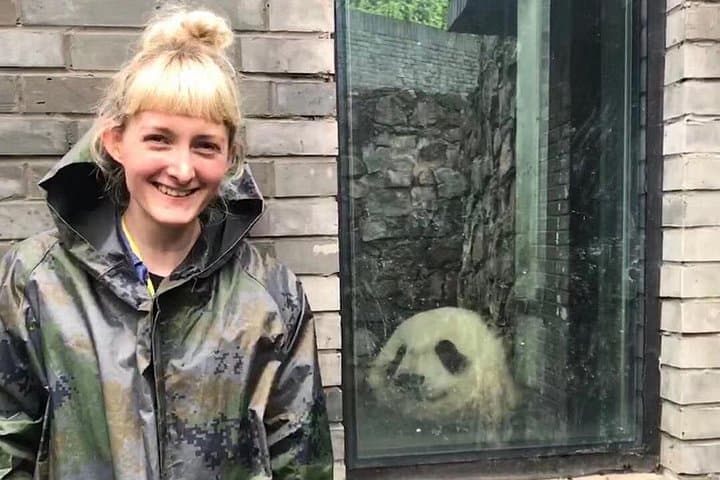


Morning light slants through towering bamboo as you step from the van into the Dujiangyan Panda Base. Keepers in green aprons move with practiced calm; the air smells of fresh-cut bamboo and warm earth. A juvenile panda blinks at a distant noise while staff brief volunteers — today you'll be on the team that prepares food, cleans enclosures and records behavior.
Morning light slants through towering bamboo as you step from the van into the Dujiangyan Panda Base. Keepers in green aprons move with practiced calm; the air smells of fresh-cut bamboo and warm earth. A juvenile panda blinks at a distant noise while staff brief volunteers — today you'll be on the team that prepares food, cleans enclosures and records behavior.
The Dujiangyan area sits on the western edge of the fertile Sichuan Basin, its hills carved by millennia of rivers and the famous Dujiangyan Irrigation Project (built 2,000+ years ago). Modern conservation here grew from regional breeding programs established in the late 20th century; Chengdu and its surrounding bases are now central to China’s giant panda recovery efforts. Local culture prizes the panda as a national symbol, and the base blends scientific work with community outreach.
Expect a practical, hands-on day: you’ll don volunteer workwear, smash and stack bamboo, clean pens, and help prepare supplemental meals. Observe and log behaviors during designated windows and watch keepers perform training sessions. Lunch in the staff canteen gives a close look at daily routines, and the afternoon includes elder-panda care and a short documentary. Photos are allowed only where staff permit; feeding and holding are not permitted under current health rules.
Plan for an active but low-impact day: wear closed-toe shoes, bring hydration and a small daypack, and follow every keeper’s instruction—your cooperation keeps the animals safe and the program effective.