THE ADVENTURE COLLECTIVE® · Independent discovery and booking for outdoor travel
Spend a day outside Chengdu exploring ancient waterworks, Taoist mountain paths or a hands-on panda conservation base. This private tour pairs easy walking with landmark history and wildlife viewing.
Spend a day outside Chengdu exploring ancient waterworks, Taoist mountain paths or a hands-on panda conservation base. This private tour pairs easy walking with landmark history and wildlife viewing.
You step from Chengdu’s traffic into a country of moving water and shaded stone: the Dujiangyan irrigation channels hiss and braid as they have for over two millennia, while Qingcheng’s forested ridges loom like a quiet audience.
Verified experiences and guided adventures in the surrounding area.
Operated by Manjing Travel · Dujiangyan, Sichuan
You step from Chengdu’s traffic into a country of moving water and shaded stone: the Dujiangyan irrigation channels hiss and braid as they have for over two millennia, while Qingcheng’s forested ridges loom like a quiet audience.
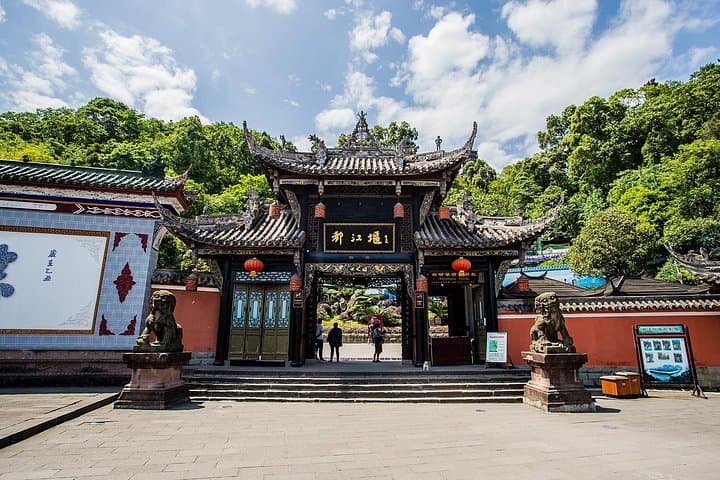
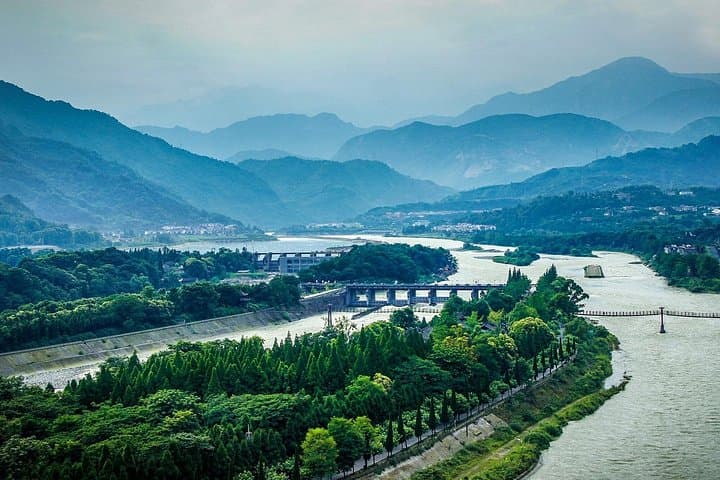
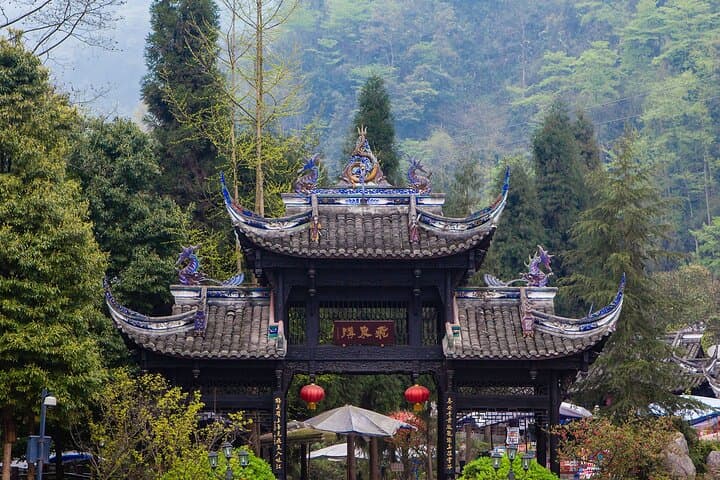
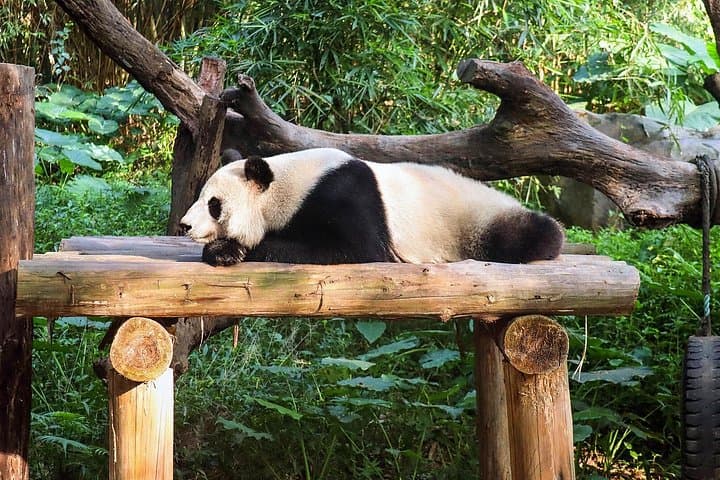
The Dujiangyan Irrigation System—engineered in the 3rd century BCE by Li Bing—still shapes the fertile Chengdu Plain, its levees and fish-mouth headworks demonstrating hydraulic ingenuity rather than dams. A short drive away, Mount Qingcheng’s slopes host Taoist temples set into granite, where incense and song meet wind and pine. Alternatively, the Dujiangyan Panda Base offers close-up encounters with conservation in action—enclosures, educational exhibits and the measured bustle of keepers working with giant pandas.
Geology here is simple and readable: low Sichuan hills of Permian and Triassic bedrock uplifted and eroded into rounded peaks, crossed by the Min River, which the irrigation system redirects with elegant, low-impact engineering.
Expect an 8–10 hour private day: morning pick-up in Chengdu, 2–3 hours exploring Qingcheng or the Panda Base, and an afternoon at Dujiangyan’s riverside works. Trails and temple paths include stone steps and slick rock; panda viewing areas require quiet and following staff directions. Wear grippy walking shoes, bring a light rain layer in summer and spring, bottled water, and your passport for park entry. Photography is allowed in most outdoor areas but follow signage near animals and inside temple halls.
This tour balances cultural history, simple geology and wildlife conservation—an efficient, accessible introduction to Sichuan’s human and natural engineering.
The private tour lasts about 8–10 hours with hotel pick-up; you should return to Chengdu in the early evening (around 17:00–19:00 depending on traffic).
Admission is typically not included—confirm at booking. You may need to pay entry fees for Dujiangyan, Qingcheng Mountain or the Panda Base on site or in advance.
Children are welcome but must be accompanied by an adult; viewing follows strict distances set by the facility to protect pandas, so “close” views are controlled and supervised.
Qingcheng offers a range of paths from easy paved approaches to steeper temple trails; you can choose a gentler route if you prefer minimal exertion.
Manjing Travel operates guided outdoor trips and adventures with an emphasis on safety, stewardship, and memorable experiences.
You step from Chengdu’s traffic into a country of moving water and shaded stone: the Dujiangyan irrigation channels hiss and braid as they have for over two millennia, while Qingcheng’s forested ridges loom like a quiet audience.
You step from Chengdu’s traffic into a country of moving water and shaded stone: the Dujiangyan irrigation channels hiss and braid as they have for over two millennia, while Qingcheng’s forested ridges loom like a quiet audience.
The Dujiangyan Irrigation System—engineered in the 3rd century BCE by Li Bing—still shapes the fertile Chengdu Plain, its levees and fish-mouth headworks demonstrating hydraulic ingenuity rather than dams. A short drive away, Mount Qingcheng’s slopes host Taoist temples set into granite, where incense and song meet wind and pine. Alternatively, the Dujiangyan Panda Base offers close-up encounters with conservation in action—enclosures, educational exhibits and the measured bustle of keepers working with giant pandas.
Geology here is simple and readable: low Sichuan hills of Permian and Triassic bedrock uplifted and eroded into rounded peaks, crossed by the Min River, which the irrigation system redirects with elegant, low-impact engineering.
Expect an 8–10 hour private day: morning pick-up in Chengdu, 2–3 hours exploring Qingcheng or the Panda Base, and an afternoon at Dujiangyan’s riverside works. Trails and temple paths include stone steps and slick rock; panda viewing areas require quiet and following staff directions. Wear grippy walking shoes, bring a light rain layer in summer and spring, bottled water, and your passport for park entry. Photography is allowed in most outdoor areas but follow signage near animals and inside temple halls.
This tour balances cultural history, simple geology and wildlife conservation—an efficient, accessible introduction to Sichuan’s human and natural engineering.
