THE ADVENTURE COLLECTIVE® · Independent discovery and booking for outdoor travel

Skip the queue at Dundee Botanic Garden and spend two hours moving between glasshouses, geographic plantings and a temperate arboretum. This guide covers what to expect, seasonal highlights, and practical tips for a smooth visit.
Skip the queue at Dundee Botanic Garden and spend two hours moving between glasshouses, geographic plantings and a temperate arboretum. This guide covers what to expect, seasonal highlights, and practical tips for a smooth visit.
You step through the gate into a green room where the wind takes on the voice of distant landscapes — Scottish moor, Chinese glade, Australian scrub — all compressed into paths you can walk in an afternoon.
Verified experiences and guided adventures in the surrounding area.
Operated by University of Dundee Botanic Gardens · Dundee, Scotland
You step through the gate into a green room where the wind takes on the voice of distant landscapes — Scottish moor, Chinese glade, Australian scrub — all compressed into paths you can walk in an afternoon.
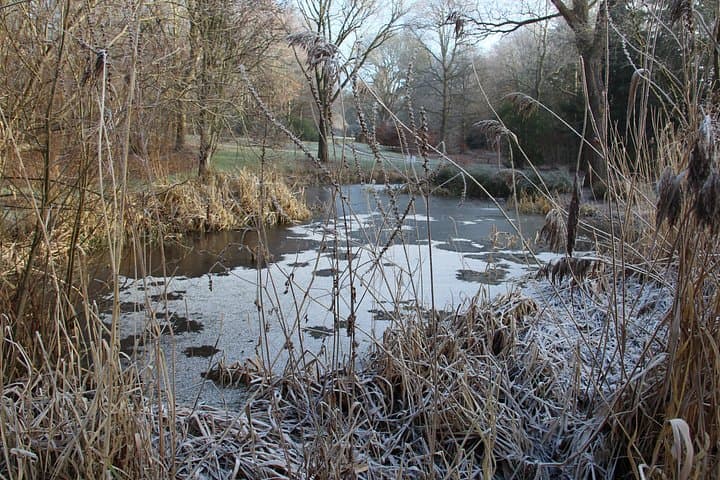
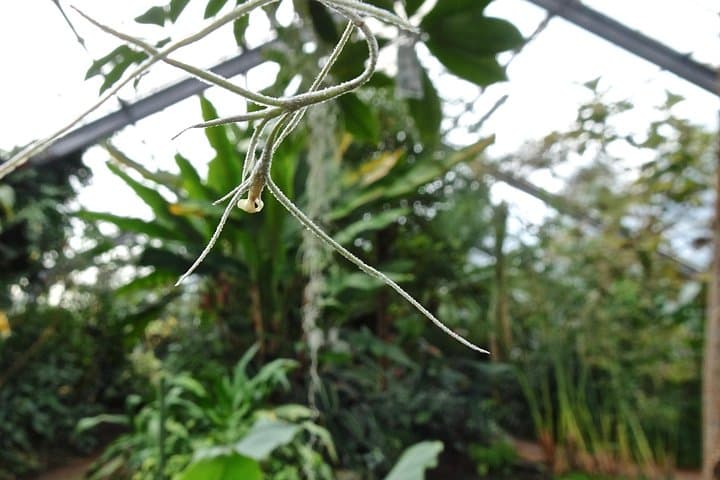
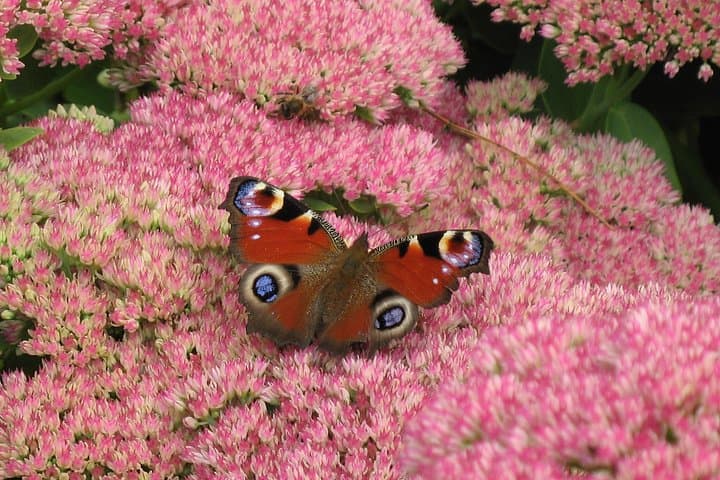
The Dundee Botanic Garden occupies 27 acres of temperate plantings and arboretum on the edge of the city, arranged into geographic habitats and supported by the University of Dundee’s research and education programs. Glasshouses hold tropical and temperate collections until mid-afternoon; outdoor beds showcase seasonal highlights from native species to worldwide temperate flora. The site’s layout reflects both horticultural history and the practical work of plant conservation: living collections used for research, public education, and seed exchange.
Geology and local culture show up in subtle ways — the soil types dictate which temperate groups thrive, and Tayside gardeners have long shaped these beds to reflect regional botanical connections. Look for the evolution garden and educational displays that explain adaptations and plant geography.
Practically, a skip-the-line ticket gives you quick entry during standard hours (garden open daily; last entry varies by season), and two hours is a comfortable window to sample glasshouses, arboretum lanes and interpretive signs. Wear steady walking shoes, bring a waterproof layer for sudden Scottish weather, and allow extra time if you want to photograph or read displays. For families and accessibility needs, paths and facilities are stroller- and wheelchair-friendly. Respect signs, stay on paths, and treat seed banks and collections as shared resources — leave plants for the next visitor to discover.
Two hours is the listed duration and enough to see key highlights; allow more time if you want to linger in glasshouses or picnic in the arboretum.
Glasshouses typically close earlier than outdoor gardens (check seasonal last-entry times); the ticket notes tropical and temperate collections are available until around mid-afternoon.
Yes — paths and main displays are described as wheelchair- and stroller-accessible; contact the garden for specifics on mobility assistance or group needs.
Only service animals are permitted; general pet policies follow garden rules and are in place to protect plant collections and wildlife.
University of Dundee Botanic Gardens operates guided outdoor trips and adventures with an emphasis on safety, stewardship, and memorable experiences.

You step through the gate into a green room where the wind takes on the voice of distant landscapes — Scottish moor, Chinese glade, Australian scrub — all compressed into paths you can walk in an afternoon.
You step through the gate into a green room where the wind takes on the voice of distant landscapes — Scottish moor, Chinese glade, Australian scrub — all compressed into paths you can walk in an afternoon.
The Dundee Botanic Garden occupies 27 acres of temperate plantings and arboretum on the edge of the city, arranged into geographic habitats and supported by the University of Dundee’s research and education programs. Glasshouses hold tropical and temperate collections until mid-afternoon; outdoor beds showcase seasonal highlights from native species to worldwide temperate flora. The site’s layout reflects both horticultural history and the practical work of plant conservation: living collections used for research, public education, and seed exchange.
Geology and local culture show up in subtle ways — the soil types dictate which temperate groups thrive, and Tayside gardeners have long shaped these beds to reflect regional botanical connections. Look for the evolution garden and educational displays that explain adaptations and plant geography.
Practically, a skip-the-line ticket gives you quick entry during standard hours (garden open daily; last entry varies by season), and two hours is a comfortable window to sample glasshouses, arboretum lanes and interpretive signs. Wear steady walking shoes, bring a waterproof layer for sudden Scottish weather, and allow extra time if you want to photograph or read displays. For families and accessibility needs, paths and facilities are stroller- and wheelchair-friendly. Respect signs, stay on paths, and treat seed banks and collections as shared resources — leave plants for the next visitor to discover.