THE ADVENTURE COLLECTIVE® · Independent discovery and booking for outdoor travel

Cross Otago Harbour in a fast, comfortable water taxi and listen as your skipper points out volcanic cliffs, shipwrecks and seabird colonies. This 10-minute port-to-port hop is a compact, scenic introduction to Dunedin’s maritime history.
Cross Otago Harbour in a fast, comfortable water taxi and listen as your skipper points out volcanic cliffs, shipwrecks and seabird colonies. This 10-minute port-to-port hop is a compact, scenic introduction to Dunedin’s maritime history.
You step onto the quay and the harbour opens like a cool, moving room — gulls wheel, ferry wakes rip the dark water, and basalt bluffs rise from the shoreline. In ten minutes the water taxi slips across Otago Harbour, the skipper’s quiet commentary threading Maori place-names, volcanic origins and shipwreck stories into the skyline.
Verified experiences and guided adventures in the surrounding area.
Operated by Port To Port Cruises and Wildlife Tours Ltd · Dunedin, Otago
You step onto the quay and the harbour opens like a cool, moving room — gulls wheel, ferry wakes rip the dark water, and basalt bluffs rise from the shoreline. In ten minutes the water taxi slips across Otago Harbour, the skipper’s quiet commentary threading Maori place-names, volcanic origins and shipwreck stories into the skyline.
Otago Harbour occupies a drowned volcanic crater from the Miocene; its steep remnant hills and offshore islands tell a geological story of eruption and erosion. European settler history clusters at Port Chalmers — shipyards, a once-busy quarantine station on Quarantine Island/Ōtamahua — while the harbour’s wildlife draws both tangata whenua and visiting naturalists.
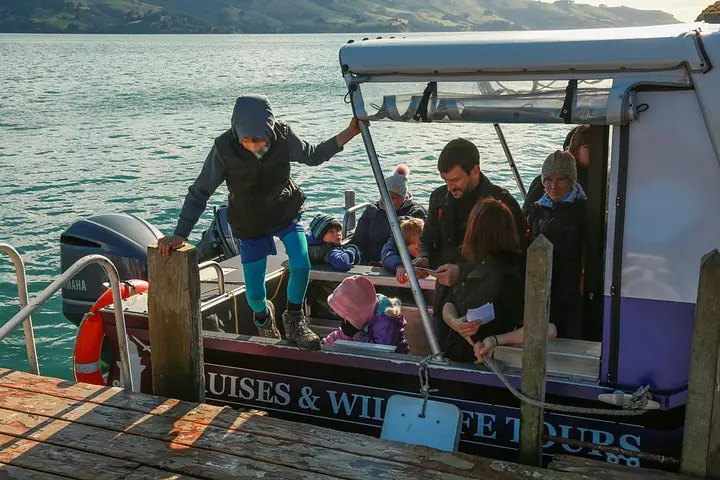
The crossing itself is compact and immediate: a custom vessel seating about 20, cushioned seats and a heated cabin, partially enclosed for wind-shelter. Expect close-up views of harbour birds, historic wrecks and working wharves; the skipper often points out marine infrastructure and local lore. The ticket is sold as a return trip — handy if you want to explore cafes, galleries and museums on the far shore.
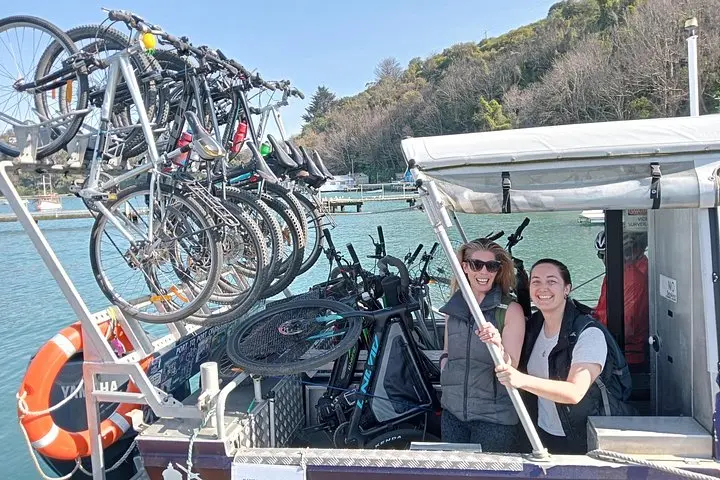
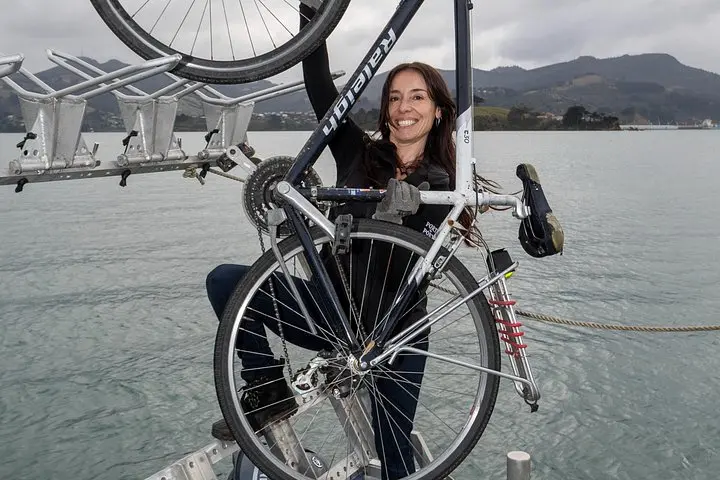
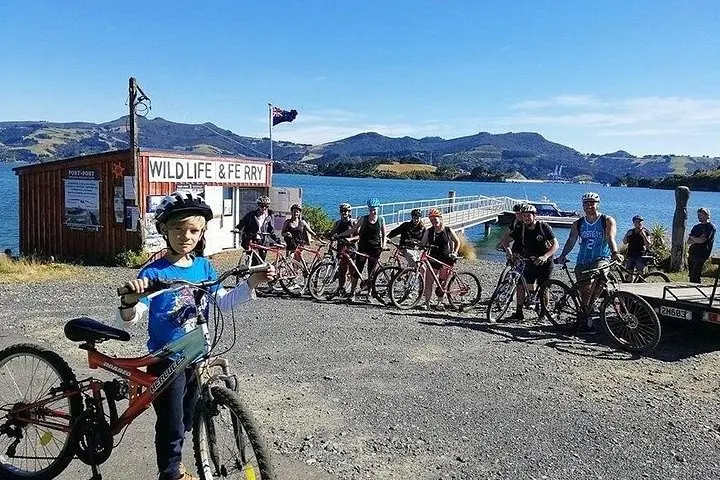
Practicalities matter: boarding involves a ~30cm step, so plan for mobility limits. Bicycles and dogs are welcome for an extra charge; infants can ride in strollers and specialized infant seats are available. Because crossings are short, pack a windproof layer, bring binoculars for seabirds, and time your trip for calm mornings if you want smoother water and clearer views. Operators may cancel in bad weather, and full refunds require 24+ hours notice.
The scheduled crossing time is approximately 10 minutes each way; allow more time if you plan to disembark and explore the far shore.
Yes — both are accepted for an additional charge; confirm space when you book.
Strollers are welcomed and infant seats are available, but boarding involves a ~30cm step; contact the operator in advance for assistance.
Full refunds are available if you cancel at least 24 hours before departure; operators may cancel for bad weather or insufficient passengers.
Port To Port Cruises and Wildlife Tours Ltd operates guided outdoor trips and adventures with an emphasis on safety, stewardship, and memorable experiences.
You step onto the quay and the harbour opens like a cool, moving room — gulls wheel, ferry wakes rip the dark water, and basalt bluffs rise from the shoreline. In ten minutes the water taxi slips across Otago Harbour, the skipper’s quiet commentary threading Maori place-names, volcanic origins and shipwreck stories into the skyline.
You step onto the quay and the harbour opens like a cool, moving room — gulls wheel, ferry wakes rip the dark water, and basalt bluffs rise from the shoreline. In ten minutes the water taxi slips across Otago Harbour, the skipper’s quiet commentary threading Maori place-names, volcanic origins and shipwreck stories into the skyline.
Otago Harbour occupies a drowned volcanic crater from the Miocene; its steep remnant hills and offshore islands tell a geological story of eruption and erosion. European settler history clusters at Port Chalmers — shipyards, a once-busy quarantine station on Quarantine Island/Ōtamahua — while the harbour’s wildlife draws both tangata whenua and visiting naturalists.
The crossing itself is compact and immediate: a custom vessel seating about 20, cushioned seats and a heated cabin, partially enclosed for wind-shelter. Expect close-up views of harbour birds, historic wrecks and working wharves; the skipper often points out marine infrastructure and local lore. The ticket is sold as a return trip — handy if you want to explore cafes, galleries and museums on the far shore.
Practicalities matter: boarding involves a ~30cm step, so plan for mobility limits. Bicycles and dogs are welcome for an extra charge; infants can ride in strollers and specialized infant seats are available. Because crossings are short, pack a windproof layer, bring binoculars for seabirds, and time your trip for calm mornings if you want smoother water and clearer views. Operators may cancel in bad weather, and full refunds require 24+ hours notice.