THE ADVENTURE COLLECTIVE® · Independent discovery and booking for outdoor travel

A brisk 1.5–2 hour wildlife cruise from Port Chalmers that tracks Otago Harbour to Taiaroa Head, with expert commentary and chances to see royal albatross, seals and seabirds. Practical, comfortable and focused on local natural and maritime history.
A brisk 1.5–2 hour wildlife cruise from Port Chalmers that tracks Otago Harbour to Taiaroa Head, with expert commentary and chances to see royal albatross, seals and seabirds. Practical, comfortable and focused on local natural and maritime history.
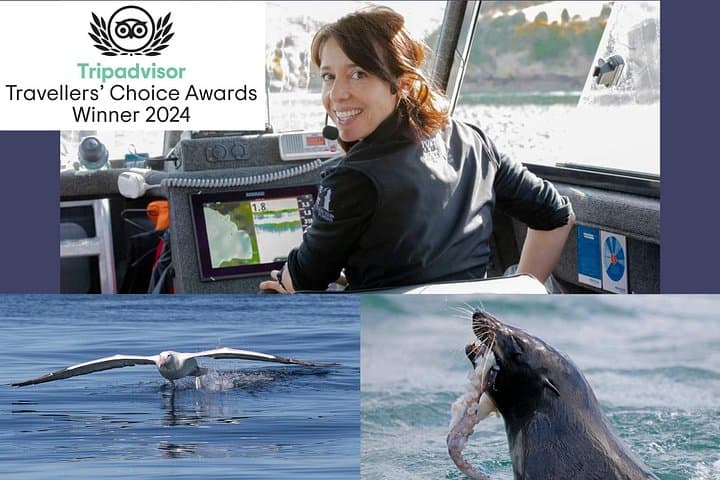
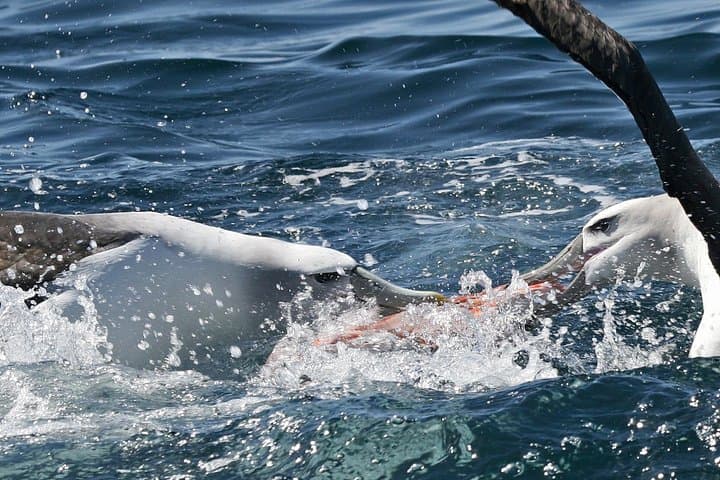
The boat slips away from the Port Chalmers pontoons and the harbour widens; gulls wheel as the shoreline recedes and Taiaroa Head rises ahead. Salt and spray find the faces of those leaning on the rail while the skipper's amplified voice points out a distant white-winged silhouette—an albatross cutting the wind.
Verified experiences and guided adventures in the surrounding area.
Operated by Port To Port Cruises and Wildlife Tours Ltd · Port Chalmers, Otago
The boat slips away from the Port Chalmers pontoons and the harbour widens; gulls wheel as the shoreline recedes and Taiaroa Head rises ahead. Salt and spray find the faces of those leaning on the rail while the skipper's amplified voice points out a distant white-winged silhouette—an albatross cutting the wind.
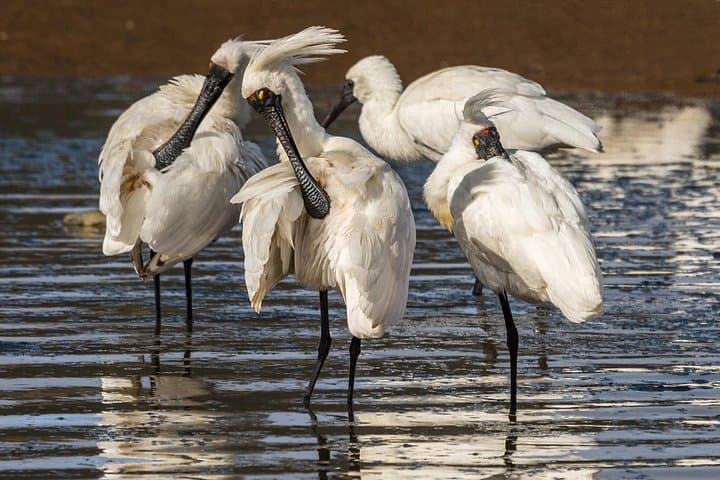
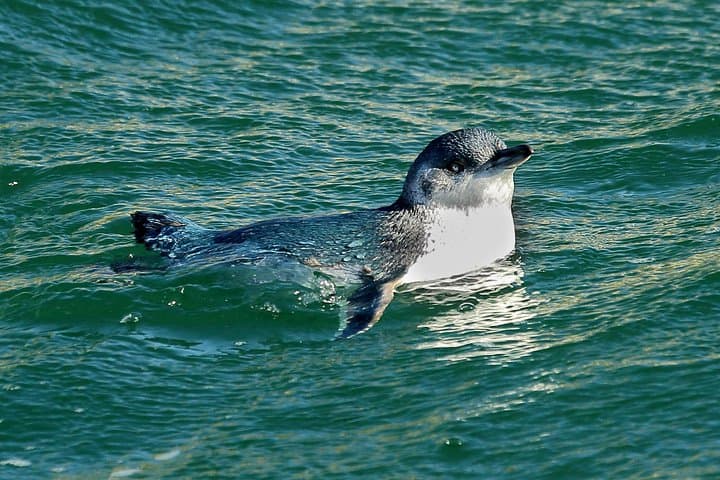
This short coastal cruise moves through Otago Harbour and around Taiaroa Head, an area long used by Māori and European pilots and mariners. The geology is a mix of eroded volcanic headlands and steep marine terraces carved by the Pacific; shipwrecks and old pilot houses mark the human history along the cliffs. The Otago Peninsula is one of New Zealand’s few mainland albatross colonies, and seals and penguins come ashore on quieter beaches and rock ledges that line the headlands.
Expect focused natural-history commentary, quality binoculars and a heated cabin on a modern, custom-built vessel. Wildlife sightings depend on season and swell; the cruise is 90–120 minutes and follows sheltered harbour waters and the outer headland. The operator, an experienced local skipper with decades on Otago Harbour, provides insights into past quarantine stations, coastal defenses and the working port at Port Chalmers.
Practical guidance: dress windproof and in layers, bring seasickness remedies if you are susceptible, and plan for sea spray—waterproof shoes with good grip help boarding. Arrive 5–10 minutes early at the floating pontoons by the Port Chalmers Yacht Club; Google Maps is recommended. The cruise suits a wide range of travelers but requires stepping down into the vessel (≈300mm).
Boarding is from the floating pontoons by the Port Chalmers Yacht Club carpark; it’s a 5–10 minute flat walk from the cruise ship terminal—use Google Maps for accuracy.
No—wildlife is wild. Skippers know local patterns and visits focus on known roosting and feeding areas, but sightings depend on season and sea conditions.
This cruise is generally suitable for all fitness levels but is not recommended for those unable to step down approximately 300mm into the vessel or stand on deck.
Trips may be cancelled for safety in poor weather or insufficient numbers; the operator refunds cancellations made at least 24 hours in advance per the policy.
Port To Port Cruises and Wildlife Tours Ltd operates guided outdoor trips and adventures with an emphasis on safety, stewardship, and memorable experiences.
The boat slips away from the Port Chalmers pontoons and the harbour widens; gulls wheel as the shoreline recedes and Taiaroa Head rises ahead. Salt and spray find the faces of those leaning on the rail while the skipper's amplified voice points out a distant white-winged silhouette—an albatross cutting the wind.
The boat slips away from the Port Chalmers pontoons and the harbour widens; gulls wheel as the shoreline recedes and Taiaroa Head rises ahead. Salt and spray find the faces of those leaning on the rail while the skipper's amplified voice points out a distant white-winged silhouette—an albatross cutting the wind.
This short coastal cruise moves through Otago Harbour and around Taiaroa Head, an area long used by Māori and European pilots and mariners. The geology is a mix of eroded volcanic headlands and steep marine terraces carved by the Pacific; shipwrecks and old pilot houses mark the human history along the cliffs. The Otago Peninsula is one of New Zealand’s few mainland albatross colonies, and seals and penguins come ashore on quieter beaches and rock ledges that line the headlands.
Expect focused natural-history commentary, quality binoculars and a heated cabin on a modern, custom-built vessel. Wildlife sightings depend on season and swell; the cruise is 90–120 minutes and follows sheltered harbour waters and the outer headland. The operator, an experienced local skipper with decades on Otago Harbour, provides insights into past quarantine stations, coastal defenses and the working port at Port Chalmers.
Practical guidance: dress windproof and in layers, bring seasickness remedies if you are susceptible, and plan for sea spray—waterproof shoes with good grip help boarding. Arrive 5–10 minutes early at the floating pontoons by the Port Chalmers Yacht Club; Google Maps is recommended. The cruise suits a wide range of travelers but requires stepping down into the vessel (≈300mm).