THE ADVENTURE COLLECTIVE® · Independent discovery and booking for outdoor travel

A private full-day tour from Aberdeen that pairs the cliff-top drama of Dunnottar Castle with the gentle lochs and wildlife of the Muir of Dinnet. Expect easy walks, expert local commentary, and a scenic drive through Aberdeenshire.
A private full-day tour from Aberdeen that pairs the cliff-top drama of Dunnottar Castle with the gentle lochs and wildlife of the Muir of Dinnet. Expect easy walks, expert local commentary, and a scenic drive through Aberdeenshire.
You step out of Aberdeen’s granite streets into a van that hums away from the city, the North Sea unclipping the horizon as you head south. Salt spray and wind shape the approach to Dunnottar Castle, where stone ruins cling to a cliff and the sea seems to dare you to look away. Later, the River Dee slows into reflective runs as you wander Banchory’s quieter lanes, and the Muir of Dinnet opens into lochs and peatland where dragonflies patrol the reeds.
Verified experiences and guided adventures in the surrounding area.
Operated by Opatrip.com Scotland · Aberdeen, Aberdeenshire
You step out of Aberdeen’s granite streets into a van that hums away from the city, the North Sea unclipping the horizon as you head south. Salt spray and wind shape the approach to Dunnottar Castle, where stone ruins cling to a cliff and the sea seems to dare you to look away. Later, the River Dee slows into reflective runs as you wander Banchory’s quieter lanes, and the Muir of Dinnet opens into lochs and peatland where dragonflies patrol the reeds.
Dunnottar’s battered ramparts trace medieval Scotland’s conflicts—Vikings, clan skirmishes, and the dramatic safeguarding of the Honours of Scotland in the 17th century. Geologically, this stretch of coastline is Old Red Sandstone and greywacke, eroded into dramatic cliffs and coves. Banchory carries the softer cultural gloss of Aberdeenshire market towns: fishing, riverside parks, and access to upland routes. Muir of Dinnet, a designated national nature reserve and SSSI, preserves bog, woodland and shallow lochs that support breeding waders and wintering waterfowl.
Practicalities: the day runs about nine hours with transport and a local guide included; expect mostly short, easy walks on uneven surfaces and some steps at Dunnottar. Bring waterproof layers, sturdy shoes, and binoculars for birds and seals offshore. Timing matters—mornings at Dunnottar often have lower crowds and clearer light, while afternoons in the reserve favor wildlife sightings. Stay on marked paths to protect fragile bogs, and pack snacks and water—the tour covers rural stretches with limited facilities. This is a balanced day that pairs coastal drama with inland calm: history that demands attention, and nature that quietly rewards patience.
The tour is approximately 9 hours and includes transportation from Aberdeen, a professional local guide, and admission to Dunnottar Castle.
It’s rated easy and suitable for most ages, but Dunnottar involves steep steps and uneven ground; notify the operator about mobility needs before booking.
Yes—the itinerary includes a stop in Banchory with time for a riverside stroll and to explore the town’s shops and cafes.
Common sightings include waterfowl, waders, dragonflies, and occasionally red deer; seals and seabirds may be seen off the coast at Dunnottar.
Opatrip.com Scotland operates guided outdoor trips and adventures with an emphasis on safety, stewardship, and memorable experiences.

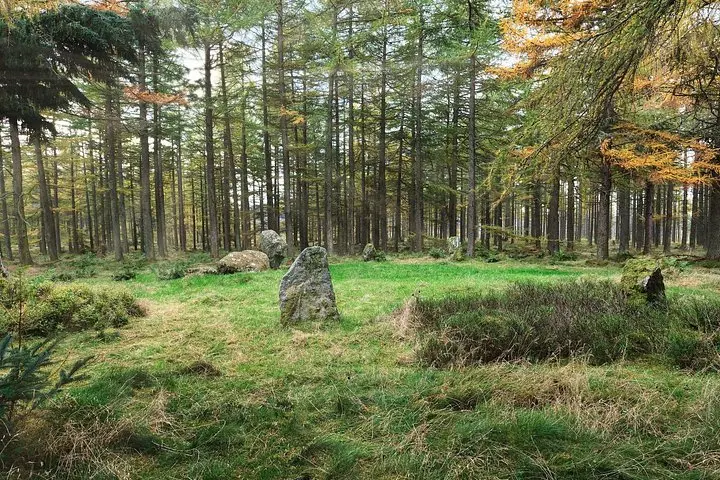
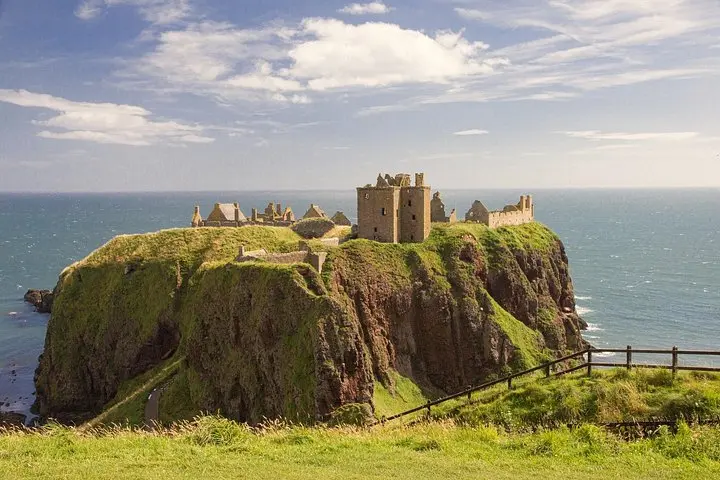

You step out of Aberdeen’s granite streets into a van that hums away from the city, the North Sea unclipping the horizon as you head south. Salt spray and wind shape the approach to Dunnottar Castle, where stone ruins cling to a cliff and the sea seems to dare you to look away. Later, the River Dee slows into reflective runs as you wander Banchory’s quieter lanes, and the Muir of Dinnet opens into lochs and peatland where dragonflies patrol the reeds.
You step out of Aberdeen’s granite streets into a van that hums away from the city, the North Sea unclipping the horizon as you head south. Salt spray and wind shape the approach to Dunnottar Castle, where stone ruins cling to a cliff and the sea seems to dare you to look away. Later, the River Dee slows into reflective runs as you wander Banchory’s quieter lanes, and the Muir of Dinnet opens into lochs and peatland where dragonflies patrol the reeds.
Dunnottar’s battered ramparts trace medieval Scotland’s conflicts—Vikings, clan skirmishes, and the dramatic safeguarding of the Honours of Scotland in the 17th century. Geologically, this stretch of coastline is Old Red Sandstone and greywacke, eroded into dramatic cliffs and coves. Banchory carries the softer cultural gloss of Aberdeenshire market towns: fishing, riverside parks, and access to upland routes. Muir of Dinnet, a designated national nature reserve and SSSI, preserves bog, woodland and shallow lochs that support breeding waders and wintering waterfowl.
Practicalities: the day runs about nine hours with transport and a local guide included; expect mostly short, easy walks on uneven surfaces and some steps at Dunnottar. Bring waterproof layers, sturdy shoes, and binoculars for birds and seals offshore. Timing matters—mornings at Dunnottar often have lower crowds and clearer light, while afternoons in the reserve favor wildlife sightings. Stay on marked paths to protect fragile bogs, and pack snacks and water—the tour covers rural stretches with limited facilities. This is a balanced day that pairs coastal drama with inland calm: history that demands attention, and nature that quietly rewards patience.