THE ADVENTURE COLLECTIVE® · Independent discovery and booking for outdoor travel

Spend a day between Durban’s historic Botanic Gardens and a free-roaming primate sanctuary. Learn plant history with a horticulturalist, taste coastal Indian-influenced street food at Umhlanga, then meet gibbons, lemurs and capuchins in a rehabilitative forest setting.
Spend a day between Durban’s historic Botanic Gardens and a free-roaming primate sanctuary. Learn plant history with a horticulturalist, taste coastal Indian-influenced street food at Umhlanga, then meet gibbons, lemurs and capuchins in a rehabilitative forest setting.
Morning light filters through tall palms as you walk with a horticulturalist across Africa’s oldest surviving botanical garden, the air heavy with damp earth and the quiet insistence of leaves. A guide taps a label and tells stories of plant collectors, colonial horticulture and a collection that still grows rare orchids and cycads. The city’s subtropical pulse hums just beyond the garden walls.
Verified experiences and guided adventures in the surrounding area.
Operated by Wild Routes Africa · Durban, KwaZulu-Natal
Morning light filters through tall palms as you walk with a horticulturalist across Africa’s oldest surviving botanical garden, the air heavy with damp earth and the quiet insistence of leaves. A guide taps a label and tells stories of plant collectors, colonial horticulture and a collection that still grows rare orchids and cycads. The city’s subtropical pulse hums just beyond the garden walls.
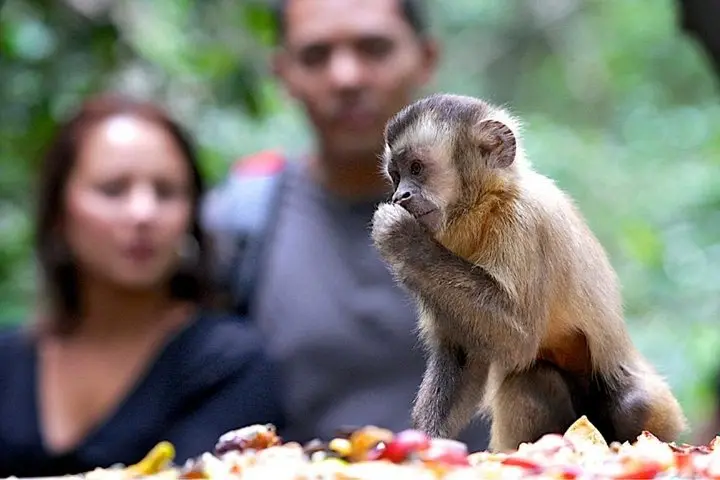
Later, the route swings north toward the coast and the laid-back streets of Umhlanga Rocks where Indian-influenced street food—bunny chow chief among them—offers a quick, spicy counterpoint to the calm of shaded paths. The afternoon belongs to Monkeyland KZN, a free-roaming primate sanctuary where capuchins, gibbons and ruffed lemurs move through forest like weather: persistent, curious, unpredictable.
Geology here is mostly coastal plain and ancient dune systems, with gardens sited on richer alluvial soils that supported colonial-era plantings. Culturally, Durban’s Indian Ocean heritage is visible in its food, markets and coastal rhythms.
Practical guide: this is an easy, full-day outing (about 7–8 hours). Start early to avoid midday heat and wildlife crowds, bring insect repellent, sunscreen and a refillable water bottle. Comfortable, grippy walking shoes and a small daypack keep you mobile between sites and for the sanctuary trails. Photography is encouraged but keep voices low and avoid offering food to animals. The sanctuary focuses on rehabilitation—your quiet presence supports their work.
The Botanic Gardens have paved paths suitable for strollers and most mobility devices; some sanctuary trails are uneven—check with the operator about specific accessibility options.
The itinerary lists Monkeyland admission as included—confirm at booking; lunch and other personal expenses are typically not included.
Yes—this is family-friendly; infants may need to sit on laps for transfers and children should be supervised near animals and pathways.
Yes—photography is allowed but without flash and while following staff instructions to avoid startling the primates.
Wild Routes Africa operates guided outdoor trips and adventures with an emphasis on safety, stewardship, and memorable experiences.
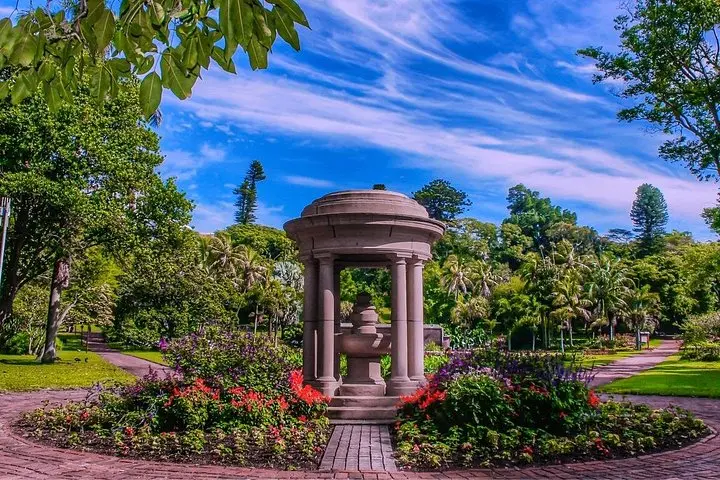
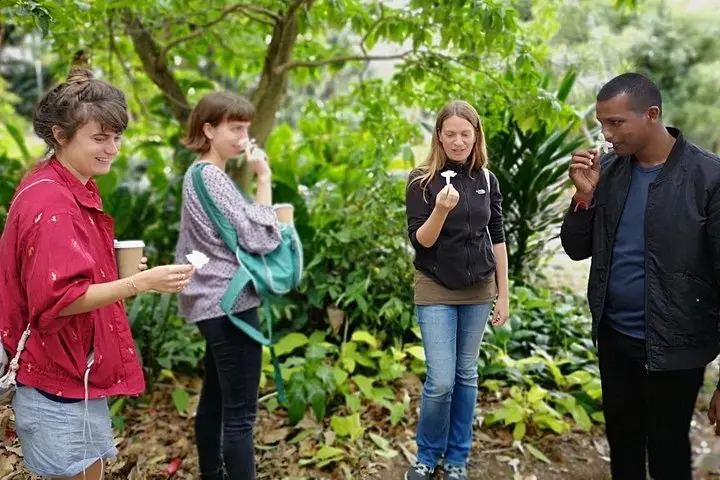
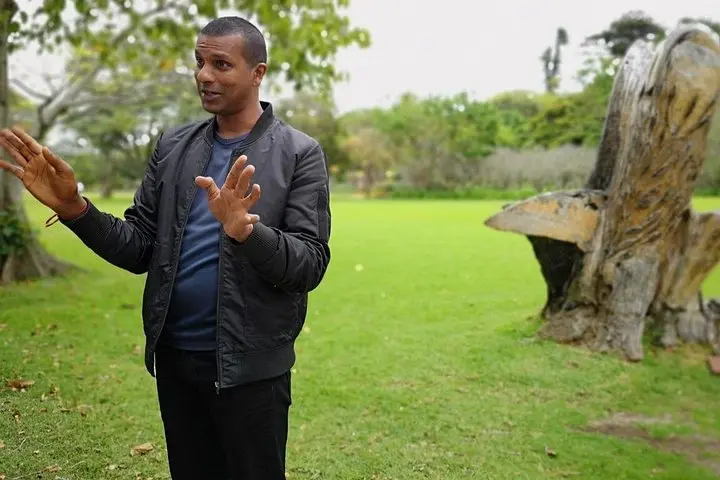
Morning light filters through tall palms as you walk with a horticulturalist across Africa’s oldest surviving botanical garden, the air heavy with damp earth and the quiet insistence of leaves. A guide taps a label and tells stories of plant collectors, colonial horticulture and a collection that still grows rare orchids and cycads. The city’s subtropical pulse hums just beyond the garden walls.
Morning light filters through tall palms as you walk with a horticulturalist across Africa’s oldest surviving botanical garden, the air heavy with damp earth and the quiet insistence of leaves. A guide taps a label and tells stories of plant collectors, colonial horticulture and a collection that still grows rare orchids and cycads. The city’s subtropical pulse hums just beyond the garden walls.
Later, the route swings north toward the coast and the laid-back streets of Umhlanga Rocks where Indian-influenced street food—bunny chow chief among them—offers a quick, spicy counterpoint to the calm of shaded paths. The afternoon belongs to Monkeyland KZN, a free-roaming primate sanctuary where capuchins, gibbons and ruffed lemurs move through forest like weather: persistent, curious, unpredictable.
Geology here is mostly coastal plain and ancient dune systems, with gardens sited on richer alluvial soils that supported colonial-era plantings. Culturally, Durban’s Indian Ocean heritage is visible in its food, markets and coastal rhythms.
Practical guide: this is an easy, full-day outing (about 7–8 hours). Start early to avoid midday heat and wildlife crowds, bring insect repellent, sunscreen and a refillable water bottle. Comfortable, grippy walking shoes and a small daypack keep you mobile between sites and for the sanctuary trails. Photography is encouraged but keep voices low and avoid offering food to animals. The sanctuary focuses on rehabilitation—your quiet presence supports their work.