THE ADVENTURE COLLECTIVE® · Independent discovery and booking for outdoor travel

Step aboard near Kleinbaai and head into Shark Alley for a chance to see the Marine Big 5 — whales, dolphins, seals, penguins and great white sharks — in one outing. Read on for what to expect, the best seasons, and practical tips for a safe, rewarding cruise.
Step aboard near Kleinbaai and head into Shark Alley for a chance to see the Marine Big 5 — whales, dolphins, seals, penguins and great white sharks — in one outing. Read on for what to expect, the best seasons, and practical tips for a safe, rewarding cruise.
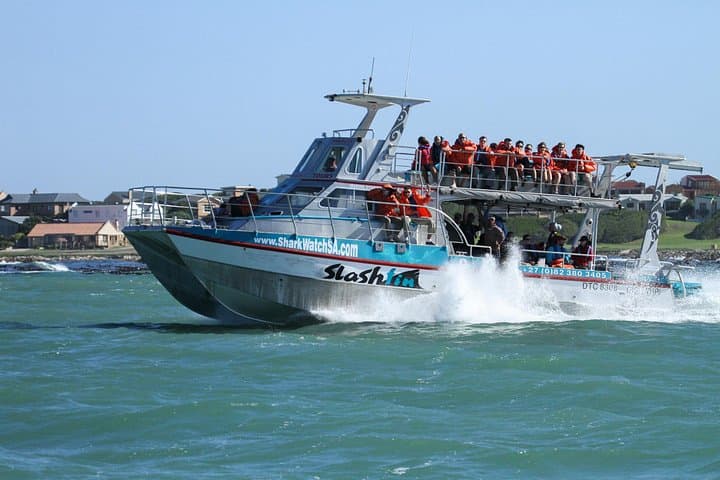
The boat slips away from Kleinbaai with salt on your lips and gulls arguing overhead. Within minutes the coastline flattens into rock and sea; the channel between Dyer Island and Geyser Rock — Shark Alley — begins to pull your attention like a current. On calm days the water mirrors the sky and the first signs appear: a distant blow, a spinning gannet, the nervous scatter of dolphins.
Verified experiences and guided adventures in the surrounding area.
Operated by ILIOS Travel · Gansbaai, Western Cape
The boat slips away from Kleinbaai with salt on your lips and gulls arguing overhead. Within minutes the coastline flattens into rock and sea; the channel between Dyer Island and Geyser Rock — Shark Alley — begins to pull your attention like a current. On calm days the water mirrors the sky and the first signs appear: a distant blow, a spinning gannet, the nervous scatter of dolphins.
This stretch of the Southern Cape has a layered history. Dyer Island takes its name from Samson Dyer, an early 19th‑century settler; the coastline bears evidence of ancient geology — hardened sandstones and eroded cliffs sculpted by relentless Atlantic swell. The local fishing and sealing culture shaped towns like Gansbaai and Kleinbaai, and today marine conservation balances tourism with protection of the Marine Big 5: whales, dolphins, seals, penguins and sharks.
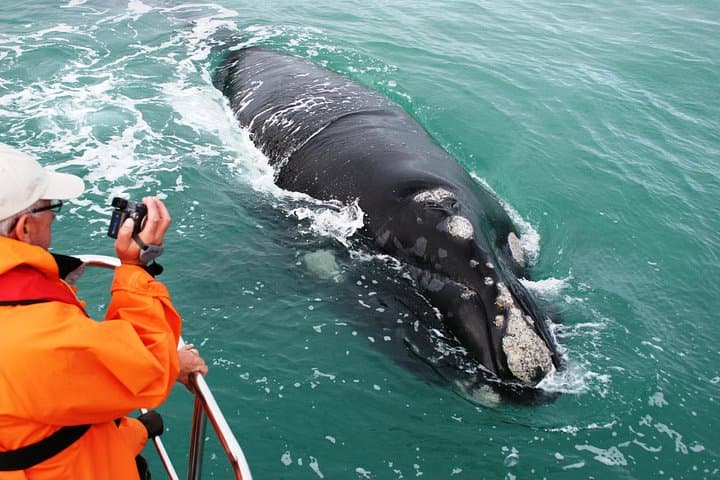
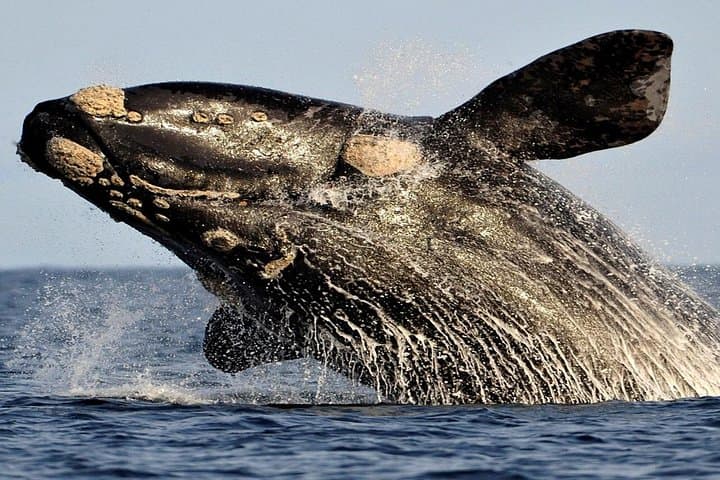
Expect variable weather and wildlife that makes no promises. June–early December is prime for Southern Right Whales close to shore; great whites frequent the deeper channels year‑round, particularly around the seal colonies on Geyser Rock. The crew will brief you on safety and etiquette; life jackets are provided and sightings are best when you watch for surface activity rather than stare just offshore.
Practical guidance: bring layered, windproof clothing, a small daypack, and motion‑sickness prevention if you’re prone. Charge cameras and keep lenses protected from spray. Time your trip for morning light to improve visibility and for calmer sea conditions. Above all, let the ocean have the last word — approach slowly, observe quietly, and you’re more likely to leave with a story and a photograph worth framing.
Southern Right Whales are most commonly seen from June through early December, when mothers and calves come inshore to nursery areas.
No — great whites frequent Shark Alley but sightings depend on season, weather and animal behavior; operators visit known hotspots to maximize chances.
Yes — operators provide infant seats and generally welcome children, but check age limits and consider sea conditions and motion‑sickness risk.
Trips may be canceled for safety when seas are rough; operators typically offer full refunds if you cancel at least 24 hours before departure or if the trip is canceled due to weather.
ILIOS Travel operates guided outdoor trips and adventures with an emphasis on safety, stewardship, and memorable experiences.

The boat slips away from Kleinbaai with salt on your lips and gulls arguing overhead. Within minutes the coastline flattens into rock and sea; the channel between Dyer Island and Geyser Rock — Shark Alley — begins to pull your attention like a current. On calm days the water mirrors the sky and the first signs appear: a distant blow, a spinning gannet, the nervous scatter of dolphins.
The boat slips away from Kleinbaai with salt on your lips and gulls arguing overhead. Within minutes the coastline flattens into rock and sea; the channel between Dyer Island and Geyser Rock — Shark Alley — begins to pull your attention like a current. On calm days the water mirrors the sky and the first signs appear: a distant blow, a spinning gannet, the nervous scatter of dolphins.
This stretch of the Southern Cape has a layered history. Dyer Island takes its name from Samson Dyer, an early 19th‑century settler; the coastline bears evidence of ancient geology — hardened sandstones and eroded cliffs sculpted by relentless Atlantic swell. The local fishing and sealing culture shaped towns like Gansbaai and Kleinbaai, and today marine conservation balances tourism with protection of the Marine Big 5: whales, dolphins, seals, penguins and sharks.
Expect variable weather and wildlife that makes no promises. June–early December is prime for Southern Right Whales close to shore; great whites frequent the deeper channels year‑round, particularly around the seal colonies on Geyser Rock. The crew will brief you on safety and etiquette; life jackets are provided and sightings are best when you watch for surface activity rather than stare just offshore.
Practical guidance: bring layered, windproof clothing, a small daypack, and motion‑sickness prevention if you’re prone. Charge cameras and keep lenses protected from spray. Time your trip for morning light to improve visibility and for calmer sea conditions. Above all, let the ocean have the last word — approach slowly, observe quietly, and you’re more likely to leave with a story and a photograph worth framing.