THE ADVENTURE COLLECTIVE® · Independent discovery and booking for outdoor travel

A three-day guided trek from Jakhama to the Dzüko Valley delivers high-altitude meadows, rare Dzüko Lilies, and an overnight camp at ~2,452 m. This practical guide covers what to expect on the trail, local context, and key packing tips.
A three-day guided trek from Jakhama to the Dzüko Valley delivers high-altitude meadows, rare Dzüko Lilies, and an overnight camp at ~2,452 m. This practical guide covers what to expect on the trail, local context, and key packing tips.
Dawn breaks over the ridge as your group moves out from Jakhama—cool air presses at your face and the trail climbs in long, honest switchbacks. The valley opens like a held breath: a bowl of grass and seasonal blooms framed by serrated ridgelines, streams that dare you to follow them to their headwaters, and a sky that feels closer at 2,452 m.
Verified experiences and guided adventures in the surrounding area.
Operated by Oddessemania · Kohima, Nagaland
Dawn breaks over the ridge as your group moves out from Jakhama—cool air presses at your face and the trail climbs in long, honest switchbacks. The valley opens like a held breath: a bowl of grass and seasonal blooms framed by serrated ridgelines, streams that dare you to follow them to their headwaters, and a sky that feels closer at 2,452 m.
The Dzüko Valley sits on the Nagaland–Manipur border and is known for its unique Dzüko Lily and high-altitude meadows. Geologically, the valley is carved from ancient uplifted formations; soils are thin and peat pockets sustain the floral display each spring. Culturally, nearby villages such as Jakhama and Kohima are home to Angami Naga communities who practice shifting agriculture and maintain traditional homestays used by trekkers.
Expect a multi-day outing: the guided itinerary runs three days with an overnight at base camp or dorm-style lodging, and a day trek of roughly 4 hours into the valley. Trail terrain alternates between packed dirt, rocky steps, and grassy meadows; anticipate several hundred meters of elevation gain and a round-trip distance commonly in the 8–10 km range depending on approach.
Practical edge: start early to avoid afternoon winds, bring layered insulation for cold nights, and pack a rain shell for sudden monsoon squalls. Respect fragile meadows—stay on established routes, carry out all waste, and follow your guide’s directions for camping zones and fire safety. With moderate fitness and basic hiking gear, this trek delivers high-altitude wildflower meadows, wide valley views, and a clear sense of place.
The core trek is moderate: about 4 hours of hiking with steady climbs to 2,452 m; moderate fitness and comfortable hiking pace are recommended.
Access is regulated locally—most guided trips include necessary permissions; check with your operator for updated entry rules before travel.
Late spring to early summer (roughly April–June) is peak bloom for many alpine flowers, including the Dzüko Lily, though exact timing varies with snowmelt and rainfall.
Guided tours include camping or dorm options at base camp; campsites follow local guidelines—bring a warm sleeping bag and follow staff directions for safety and fire protocol.
Oddessemania operates guided outdoor trips and adventures with an emphasis on safety, stewardship, and memorable experiences.
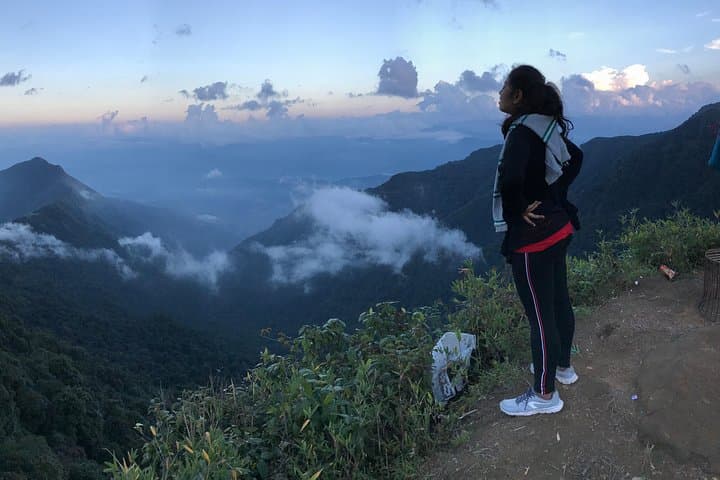
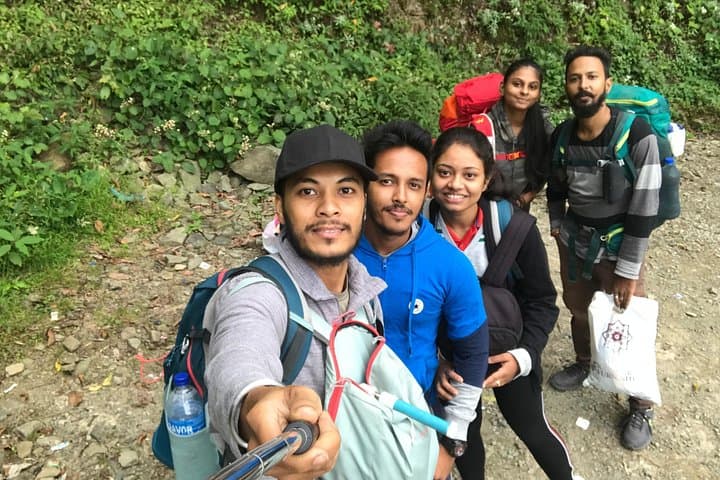
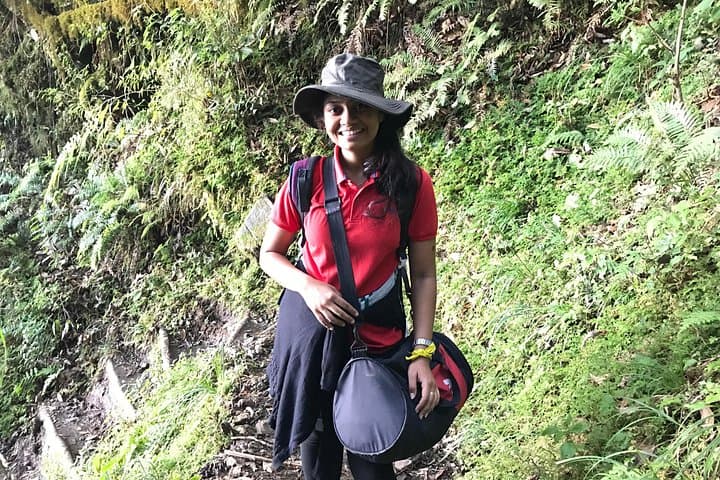
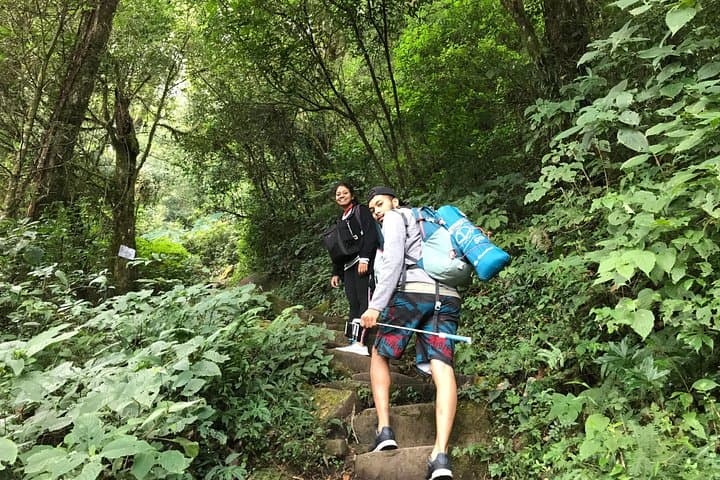
Dawn breaks over the ridge as your group moves out from Jakhama—cool air presses at your face and the trail climbs in long, honest switchbacks. The valley opens like a held breath: a bowl of grass and seasonal blooms framed by serrated ridgelines, streams that dare you to follow them to their headwaters, and a sky that feels closer at 2,452 m.
Dawn breaks over the ridge as your group moves out from Jakhama—cool air presses at your face and the trail climbs in long, honest switchbacks. The valley opens like a held breath: a bowl of grass and seasonal blooms framed by serrated ridgelines, streams that dare you to follow them to their headwaters, and a sky that feels closer at 2,452 m.
The Dzüko Valley sits on the Nagaland–Manipur border and is known for its unique Dzüko Lily and high-altitude meadows. Geologically, the valley is carved from ancient uplifted formations; soils are thin and peat pockets sustain the floral display each spring. Culturally, nearby villages such as Jakhama and Kohima are home to Angami Naga communities who practice shifting agriculture and maintain traditional homestays used by trekkers.
Expect a multi-day outing: the guided itinerary runs three days with an overnight at base camp or dorm-style lodging, and a day trek of roughly 4 hours into the valley. Trail terrain alternates between packed dirt, rocky steps, and grassy meadows; anticipate several hundred meters of elevation gain and a round-trip distance commonly in the 8–10 km range depending on approach.
Practical edge: start early to avoid afternoon winds, bring layered insulation for cold nights, and pack a rain shell for sudden monsoon squalls. Respect fragile meadows—stay on established routes, carry out all waste, and follow your guide’s directions for camping zones and fire safety. With moderate fitness and basic hiking gear, this trek delivers high-altitude wildflower meadows, wide valley views, and a clear sense of place.