THE ADVENTURE COLLECTIVE® · Independent discovery and booking for outdoor travel

Cycle the Apulian Aqueduct on an e-bike through Itria Valley—trulli-dotted hills, umbrella pines, and engineered arches make for an easy, three-hour ride that blends history, geology, and everyday Puglian life.
Cycle the Apulian Aqueduct on an e-bike through Itria Valley—trulli-dotted hills, umbrella pines, and engineered arches make for an easy, three-hour ride that blends history, geology, and everyday Puglian life.
A cool morning wind pushes across limestone fields as riders line up their e-bikes beneath the long, low arches of the Apulian Aqueduct. The path unspools ahead—flat, graveled canal-way that favors cadence over grunt—while distant trulli domes puncture the skyline like small white watchtowers.
Verified experiences and guided adventures in the surrounding area.
Operated by Tours Puglia · Locorotondo, Puglia
A cool morning wind pushes across limestone fields as riders line up their e-bikes beneath the long, low arches of the Apulian Aqueduct. The path unspools ahead—flat, graveled canal-way that favors cadence over grunt—while distant trulli domes puncture the skyline like small white watchtowers.
This route follows part of the Acquedotto Pugliese, the longest aqueduct in Europe, an early 20th-century engineering project that rerouted water across karst plateaus. Geology here is porous limestone: water carves sinkholes and underground channels, which is why the aqueduct was such a game-changer for southern Italian agriculture. Culturally, the ride threads through Itria Valley villages—Locorotondo’s white-washed ring of alleys, the imposing facade of San Giorgio—and past working vineyards where local growers press primitivo and blanc de la casa.
Expect shaded stretches beneath umbrella pines, brief climbs to vantage points that frame the valley, and easy runs past urban vineyards that dare you to stop for a photo. Guides typically point out trulli construction, historic irrigation logic, and the aqueduct’s social impact on Puglia’s rural communities.
Practical notes: the tour is about three hours on relatively flat terrain; battery-assisted pedelecs reduce strain but check charge before departure. Bring sun protection, a small daypack with water and snacks, and closed-toe shoes for gravel. Early morning or late afternoon offers the best light and cooler temps. Respect private property, ride single file through villages, and carry ID—the meeting point is usually in or near Alberobello/Locorotondo.
The tour runs about three hours on mostly flat canal and country tracks; e-bike assistance keeps difficulty low—suitable for beginners.
Yes, operators supply e-bikes and helmets; check sizing and request infant seats in advance if needed.
Expect a moderate distance (~20–30 km depending on route) with minimal elevation gain; the path follows the aqueduct's gentle grade.
Meetings are typically in Alberobello or Locorotondo; both towns are reachable by local bus or regional train from Bari with short taxi transfers.
Tours Puglia operates guided outdoor trips and adventures with an emphasis on safety, stewardship, and memorable experiences.
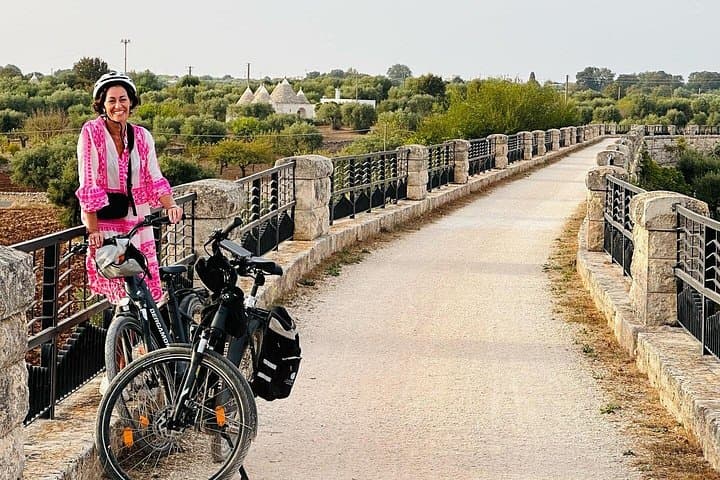
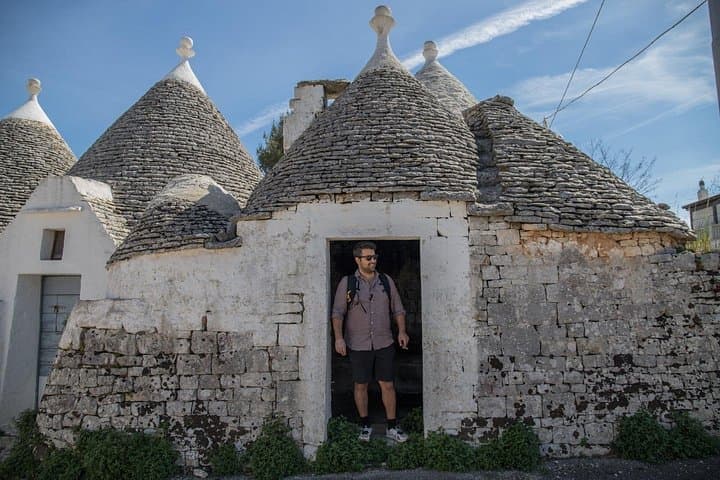
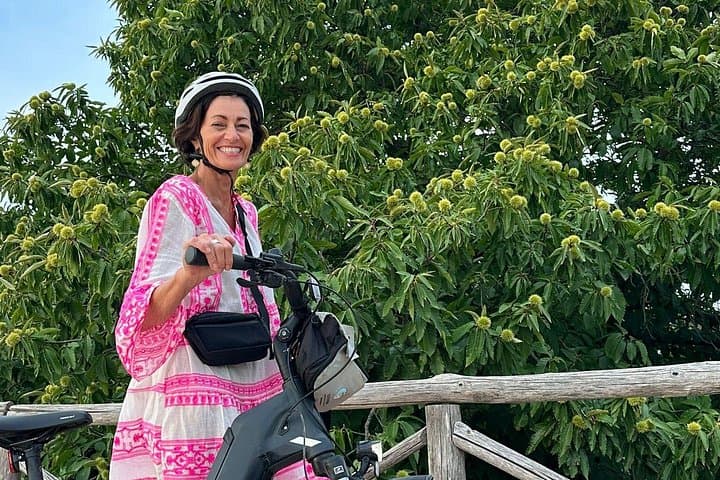
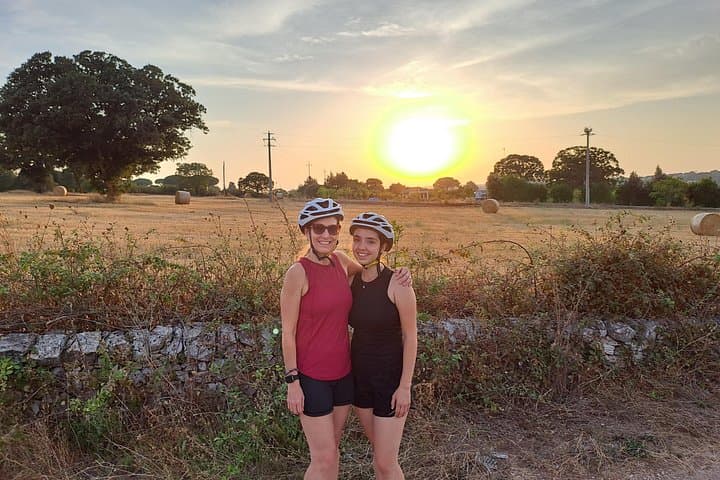
A cool morning wind pushes across limestone fields as riders line up their e-bikes beneath the long, low arches of the Apulian Aqueduct. The path unspools ahead—flat, graveled canal-way that favors cadence over grunt—while distant trulli domes puncture the skyline like small white watchtowers.
A cool morning wind pushes across limestone fields as riders line up their e-bikes beneath the long, low arches of the Apulian Aqueduct. The path unspools ahead—flat, graveled canal-way that favors cadence over grunt—while distant trulli domes puncture the skyline like small white watchtowers.
This route follows part of the Acquedotto Pugliese, the longest aqueduct in Europe, an early 20th-century engineering project that rerouted water across karst plateaus. Geology here is porous limestone: water carves sinkholes and underground channels, which is why the aqueduct was such a game-changer for southern Italian agriculture. Culturally, the ride threads through Itria Valley villages—Locorotondo’s white-washed ring of alleys, the imposing facade of San Giorgio—and past working vineyards where local growers press primitivo and blanc de la casa.
Expect shaded stretches beneath umbrella pines, brief climbs to vantage points that frame the valley, and easy runs past urban vineyards that dare you to stop for a photo. Guides typically point out trulli construction, historic irrigation logic, and the aqueduct’s social impact on Puglia’s rural communities.
Practical notes: the tour is about three hours on relatively flat terrain; battery-assisted pedelecs reduce strain but check charge before departure. Bring sun protection, a small daypack with water and snacks, and closed-toe shoes for gravel. Early morning or late afternoon offers the best light and cooler temps. Respect private property, ride single file through villages, and carry ID—the meeting point is usually in or near Alberobello/Locorotondo.