THE ADVENTURE COLLECTIVE® · Independent discovery and booking for outdoor travel

Swap strain for torque and follow an e‑bike loop from Chamonix across the border to Val Ferret and Val Veny. This seven‑hour ride mixes high‑alpine panoramas, glacial lakes and pastoral Italian valleys—ideal for riders who want big views with mechanical help.
Swap strain for torque and follow an e‑bike loop from Chamonix across the border to Val Ferret and Val Veny. This seven‑hour ride mixes high‑alpine panoramas, glacial lakes and pastoral Italian valleys—ideal for riders who want big views with mechanical help.
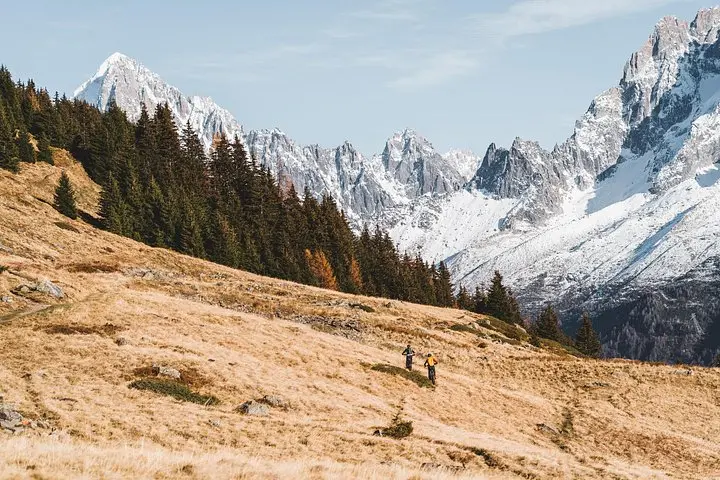
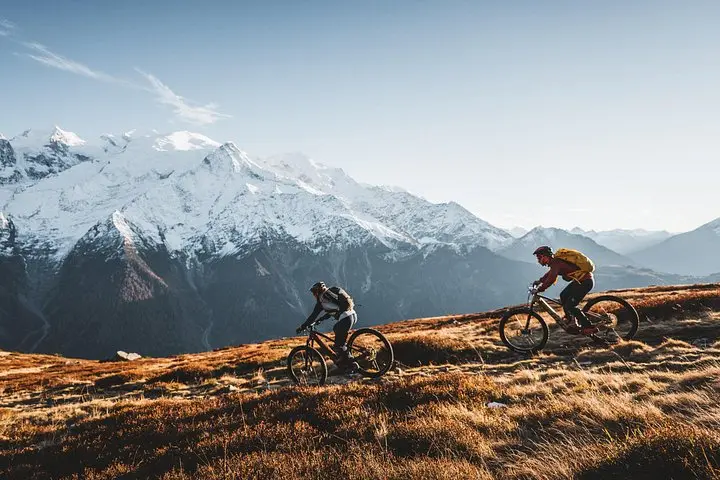
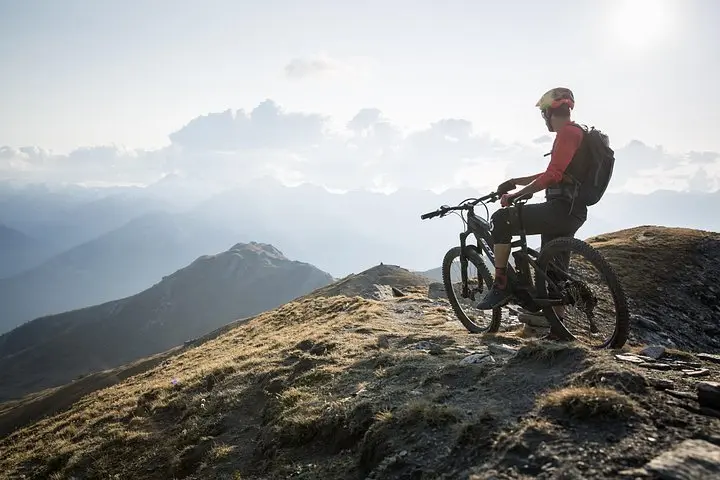
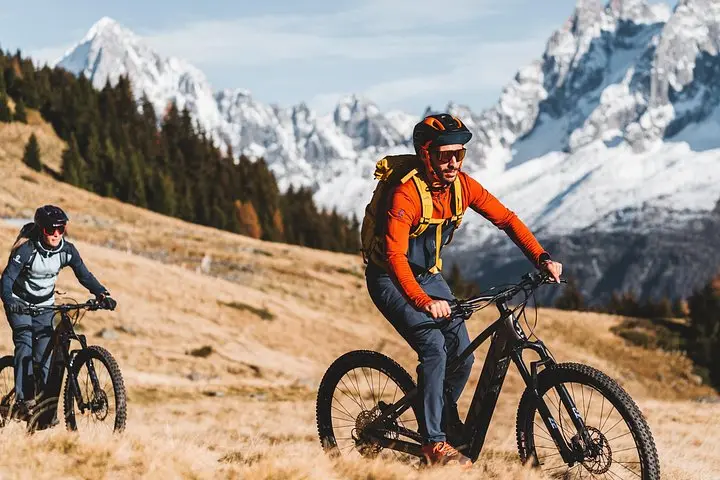
A morning in Chamonix begins with the quiet hum of electric motors rather than the rattle of gears. You meet behind the Folie Douce kiosk, clip a helmet on, and watch the valley open as the guide leads you toward the Mont Blanc tunnel. The road climbs in long, manageable pitches; the e-bike’s motor whispers encouragement on steeper ramps while glaciers and serrated ridgelines push the skyline into focus.
Verified experiences and guided adventures in the surrounding area.
Operated by ⚡️ Nathan Guide VTT · Chamonix, Haute-Savoie
A morning in Chamonix begins with the quiet hum of electric motors rather than the rattle of gears. You meet behind the Folie Douce kiosk, clip a helmet on, and watch the valley open as the guide leads you toward the Mont Blanc tunnel. The road climbs in long, manageable pitches; the e-bike’s motor whispers encouragement on steeper ramps while glaciers and serrated ridgelines push the skyline into focus.
The route crosses the Franco‑Italian border into Val Ferret, offering a different face of the massif—wider glaciers, long moraines and the granite spires of the Grandes Jorasses and Mont Dolent. Geologically, this is armor-plated alpine country: ancient gneiss and granite thrust upward by the collision of the African and Eurasian plates, then sculpted by ice into U-shaped valleys and cirque bowls. You’ll ride past Lac Combal and the blue pools of Val Veny, where meltwater collects in basins gouged by the Glacier du Miage and its neighbors.
Culturally the line here is thin—villages and pastures on both sides of the border share mountain-farming traditions, with seasonal alpages where cheese and stories of high-country weather live on. The Franco‑Italian route feels like a single narrative told in two accents: French cafés and Italian trattorie pepper the edges of the loop, and lunch in an Italian valley tastes of polenta and mountain cheese, uncomplicated and restorative.
Practically, expect a full day—about seven hours including stops. The technical load is moderate: e-bikes make the climbs accessible, but trails include gravel tracks, short singletrack sections and stepped alpine paths where you’ll need confident bike handling. Distance for the loop typically falls in the 40–60 km range with cumulative elevation gain commonly between 800–1,200 meters depending on the exact route. Helmets and gloves are provided; guides carry repair kits.
Timing matters: start early for softer air and better light on the glaciers; avoid midday crowds at popular viewpoints. Hydrate frequently—the thin air and steady exertion sneak up on you—and carry layered clothing for rapidly changing alpine conditions. Bring your passport for the brief border crossing and keep a small amount of cash for mountain refuges that still prefer euros in hand.
By late afternoon you’ll descend back into Chamonix with the massif receding behind you, a day’s worth of perspectives stored in photographs and in how the legs remember the climbs. It’s an accessible, panoramic way to read the geology, history and local life of Europe’s tallest range—one electric turn of the pedals at a time.
Yes—electric mountain bikes, helmets and basic gloves are provided; guides also carry repair kits and spare tubes.
Moderate fitness is recommended—e-bikes assist climbs, but you should be comfortable riding several hours and handling variable terrain.
This tour is best for older teens and adults; check with the operator about age and height minimums before booking.
Yes—bring a passport or national ID as the route crosses the international border briefly.
Private transportation between key points, e-bike, helmet, gloves, and bicycle repair/kit are included; lunch and personal insurance are usually not.
Tours can be cancelled for bad weather—check cancellation terms (full refund usually if cancelled 24 hours prior) and dress for rapid changes.
⚡️ Nathan Guide VTT operates guided outdoor trips and adventures with an emphasis on safety, stewardship, and memorable experiences.
A morning in Chamonix begins with the quiet hum of electric motors rather than the rattle of gears. You meet behind the Folie Douce kiosk, clip a helmet on, and watch the valley open as the guide leads you toward the Mont Blanc tunnel. The road climbs in long, manageable pitches; the e-bike’s motor whispers encouragement on steeper ramps while glaciers and serrated ridgelines push the skyline into focus.
A morning in Chamonix begins with the quiet hum of electric motors rather than the rattle of gears. You meet behind the Folie Douce kiosk, clip a helmet on, and watch the valley open as the guide leads you toward the Mont Blanc tunnel. The road climbs in long, manageable pitches; the e-bike’s motor whispers encouragement on steeper ramps while glaciers and serrated ridgelines push the skyline into focus.
The route crosses the Franco‑Italian border into Val Ferret, offering a different face of the massif—wider glaciers, long moraines and the granite spires of the Grandes Jorasses and Mont Dolent. Geologically, this is armor-plated alpine country: ancient gneiss and granite thrust upward by the collision of the African and Eurasian plates, then sculpted by ice into U-shaped valleys and cirque bowls. You’ll ride past Lac Combal and the blue pools of Val Veny, where meltwater collects in basins gouged by the Glacier du Miage and its neighbors.
Culturally the line here is thin—villages and pastures on both sides of the border share mountain-farming traditions, with seasonal alpages where cheese and stories of high-country weather live on. The Franco‑Italian route feels like a single narrative told in two accents: French cafés and Italian trattorie pepper the edges of the loop, and lunch in an Italian valley tastes of polenta and mountain cheese, uncomplicated and restorative.
Practically, expect a full day—about seven hours including stops. The technical load is moderate: e-bikes make the climbs accessible, but trails include gravel tracks, short singletrack sections and stepped alpine paths where you’ll need confident bike handling. Distance for the loop typically falls in the 40–60 km range with cumulative elevation gain commonly between 800–1,200 meters depending on the exact route. Helmets and gloves are provided; guides carry repair kits.
Timing matters: start early for softer air and better light on the glaciers; avoid midday crowds at popular viewpoints. Hydrate frequently—the thin air and steady exertion sneak up on you—and carry layered clothing for rapidly changing alpine conditions. Bring your passport for the brief border crossing and keep a small amount of cash for mountain refuges that still prefer euros in hand.
By late afternoon you’ll descend back into Chamonix with the massif receding behind you, a day’s worth of perspectives stored in photographs and in how the legs remember the climbs. It’s an accessible, panoramic way to read the geology, history and local life of Europe’s tallest range—one electric turn of the pedals at a time.