THE ADVENTURE COLLECTIVE® · Independent discovery and booking for outdoor travel

Ride an e-bike around Bunsen Peak and the backcountry north of Mammoth Hot Springs for close wildlife views and steep technical descents. This 4–5 hour tour covers rough dirt roads, offers landscape geology, and requires solid fitness and bike-handling skills.
Ride an e-bike around Bunsen Peak and the backcountry north of Mammoth Hot Springs for close wildlife views and steep technical descents. This 4–5 hour tour covers rough dirt roads, offers landscape geology, and requires solid fitness and bike-handling skills.
You start on a cool morning at the Glen Creek Stock Trail, wheels humming against packed dirt as the lodgepole pines watch you go. The trail opens, the road narrows, and the backcountry of Yellowstone unfurls: golden meadows, a stream that seems to dare you to move faster, and the steady rise toward Bunsen Peak. E-bikes give a boost on long ramps and push you through rough sections where conventional bikes would stall.
Verified experiences and guided adventures in the surrounding area.
Operated by Big Sky E bike Tours and Rentals · Gardiner, Montana
You start on a cool morning at the Glen Creek Stock Trail, wheels humming against packed dirt as the lodgepole pines watch you go. The trail opens, the road narrows, and the backcountry of Yellowstone unfurls: golden meadows, a stream that seems to dare you to move faster, and the steady rise toward Bunsen Peak. E-bikes give a boost on long ramps and push you through rough sections where conventional bikes would stall.
This route threads north of Mammoth Hot Springs and passes Swan Lake Flats and Golden Gate Canyon — places shaped by volcanic uplift and glacial sculpting. Bunsen Peak itself stands at roughly 8,560 feet, a remnant of volcanic activity that arranged the park’s odd mix of thermal basins and high ridgelines. The area carries the layered history of Indigenous travel corridors and early park patrol routes; the trails you ride echo old pack roads and ranger tracks.
Expect a varied ride: compacted dirt roads, loose gravel, and steep descents that demand braking skill and composure. Wildlife sightings are common — bison browse the flats and elk move through the damp meadows — so maintain distance and slow down when animals are near.
Practical guide: plan for roughly 10–15 miles and up to 1,200 feet of climbing over 4–5 hours, depending on route choices and stops. Helmets and a basic tool kit are essential; carry 1–2 liters of water, layered clothing for rapid temperature shifts, and bear spray accessible on your pack. Ride conservatively on descents, respect park rules about wildlife and e-bike use, and time your trip for morning or late afternoon light when trails are cooler and wildlife is more active.
Yellowstone allows certain e-bike use on designated roads and trails; tour operators provide approved bikes and follow park regulations for permitted routes.
Riders should have high fitness — expect sustained climbs and technical descents; if you can ride mixed off-road for several hours you’ll be prepared.
Common sightings include bison and elk; maintain at least 25 yards from wildlife and 100 yards from bears and wolves — do not approach for photos.
Yes — operators ask for confidence on rough terrain and steep descents; if you’re new to e-bikes, request an orientation or shorter route first.
Big Sky E bike Tours and Rentals operates guided outdoor trips and adventures with an emphasis on safety, stewardship, and memorable experiences.
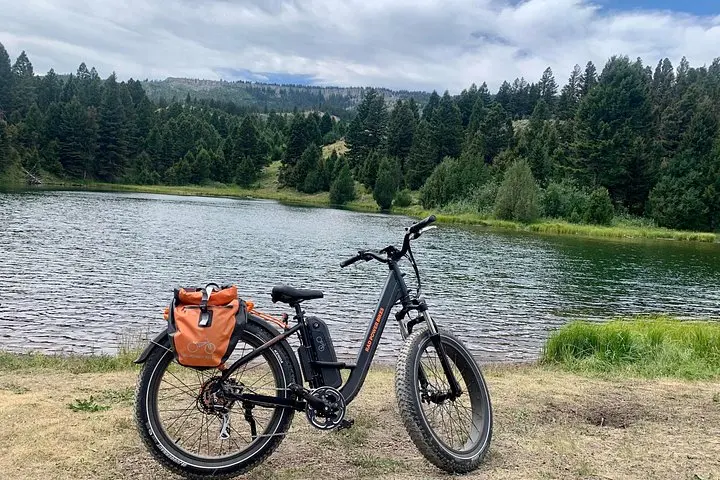
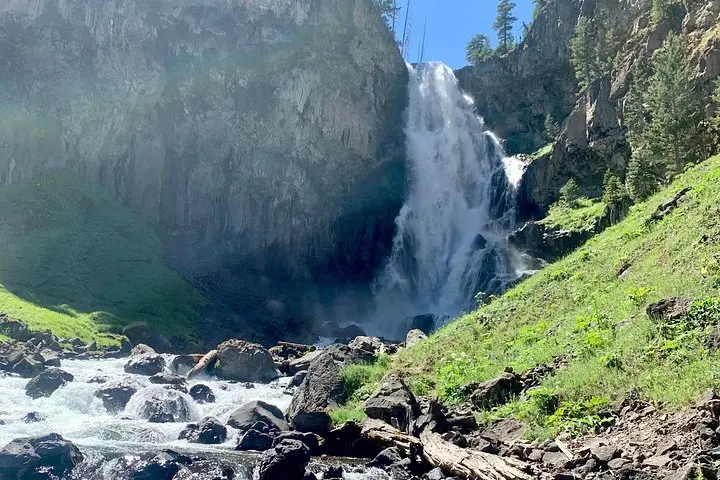
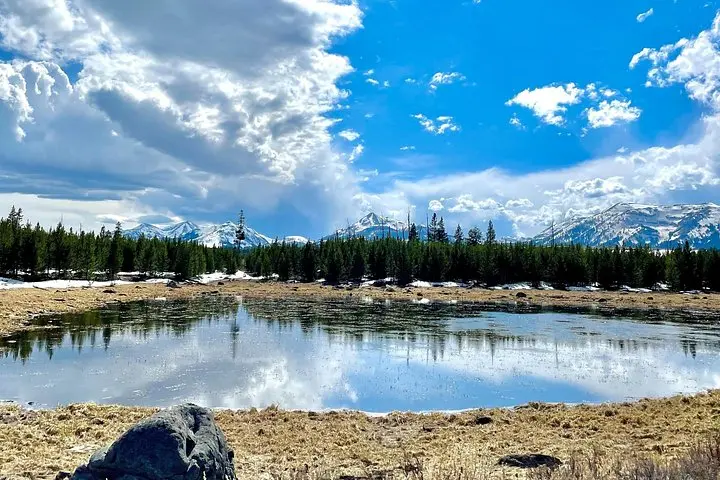
You start on a cool morning at the Glen Creek Stock Trail, wheels humming against packed dirt as the lodgepole pines watch you go. The trail opens, the road narrows, and the backcountry of Yellowstone unfurls: golden meadows, a stream that seems to dare you to move faster, and the steady rise toward Bunsen Peak. E-bikes give a boost on long ramps and push you through rough sections where conventional bikes would stall.
You start on a cool morning at the Glen Creek Stock Trail, wheels humming against packed dirt as the lodgepole pines watch you go. The trail opens, the road narrows, and the backcountry of Yellowstone unfurls: golden meadows, a stream that seems to dare you to move faster, and the steady rise toward Bunsen Peak. E-bikes give a boost on long ramps and push you through rough sections where conventional bikes would stall.
This route threads north of Mammoth Hot Springs and passes Swan Lake Flats and Golden Gate Canyon — places shaped by volcanic uplift and glacial sculpting. Bunsen Peak itself stands at roughly 8,560 feet, a remnant of volcanic activity that arranged the park’s odd mix of thermal basins and high ridgelines. The area carries the layered history of Indigenous travel corridors and early park patrol routes; the trails you ride echo old pack roads and ranger tracks.
Expect a varied ride: compacted dirt roads, loose gravel, and steep descents that demand braking skill and composure. Wildlife sightings are common — bison browse the flats and elk move through the damp meadows — so maintain distance and slow down when animals are near.
Practical guide: plan for roughly 10–15 miles and up to 1,200 feet of climbing over 4–5 hours, depending on route choices and stops. Helmets and a basic tool kit are essential; carry 1–2 liters of water, layered clothing for rapid temperature shifts, and bear spray accessible on your pack. Ride conservatively on descents, respect park rules about wildlife and e-bike use, and time your trip for morning or late afternoon light when trails are cooler and wildlife is more active.