THE ADVENTURE COLLECTIVE® · Independent discovery and booking for outdoor travel

Follow electric-assisted wheels from Cape Point’s lighthouse to Boulders Beach penguin platforms on a full-day circuit of the Cape Peninsula. This accessible e-bike tour pairs coastal geology, explorer history and close-up wildlife viewing with practical logistics for any fitness level.
Follow electric-assisted wheels from Cape Point’s lighthouse to Boulders Beach penguin platforms on a full-day circuit of the Cape Peninsula. This accessible e-bike tour pairs coastal geology, explorer history and close-up wildlife viewing with practical logistics for any fitness level.
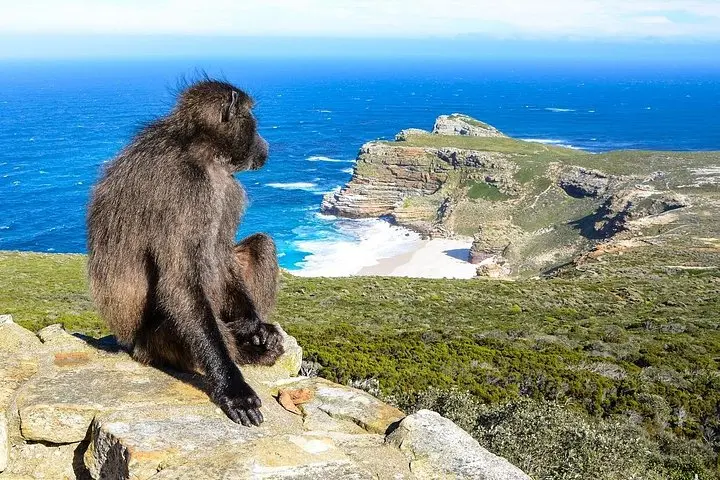
The tour begins with the soft hum of electric motors against a wide Atlantic sky. Riders gather after a brief safety talk inside Cape Point Nature Reserve, helmets on, maps unrolled, while the ocean keeps time below—whitecaps rolling toward ragged cliffs that have tested ships for centuries. From there the group pedals south, the e-bikes taking the strain on the climbs while riders scan the scrub for Cape Mountain zebra and the occasional troop of chacma baboons.
Verified experiences and guided adventures in the surrounding area.
Operated by Citi Shuttles · Cape Town, Western Cape
The tour begins with the soft hum of electric motors against a wide Atlantic sky. Riders gather after a brief safety talk inside Cape Point Nature Reserve, helmets on, maps unrolled, while the ocean keeps time below—whitecaps rolling toward ragged cliffs that have tested ships for centuries. From there the group pedals south, the e-bikes taking the strain on the climbs while riders scan the scrub for Cape Mountain zebra and the occasional troop of chacma baboons.
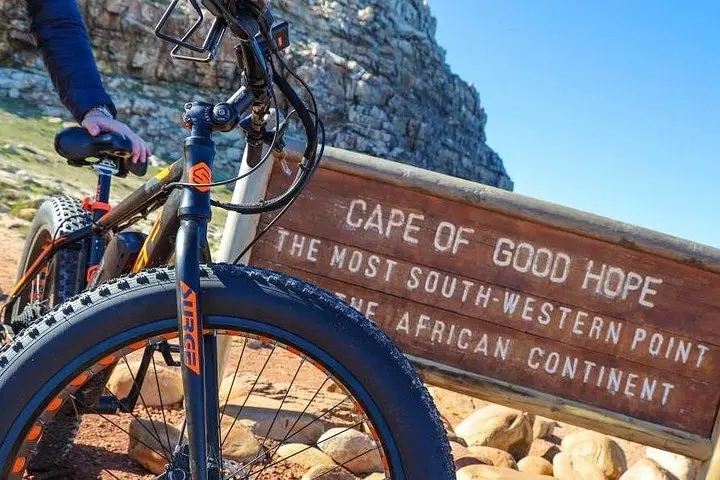
This is more than a bike ride: it’s a loop through maritime geology and exploration lore. The Cape Peninsula is carved from Table Mountain sandstone and granite, its headlands formed by millions of years of uplift and coastal erosion. Plaques near the Cape of Good Hope mark the routes of Bartolomeu Dias and other Portuguese navigators who first charted these shores in the 15th century, and the lighthouse at Cape Point occupies a promontory where wind and waves still make navigation an exacting business.
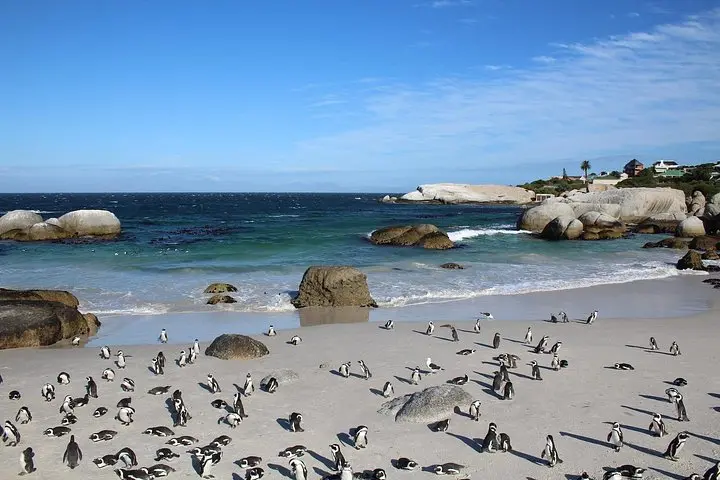
Wildlife is conspicuous here. Over 250 bird species patrol the thermals; African penguins hunch on Boulders Beach; ostriches and small antelope graze the fynbos. Conservation shapes the experience—boardwalks at Boulders protect nesting penguins, and SANParks fees help maintain the reserve.
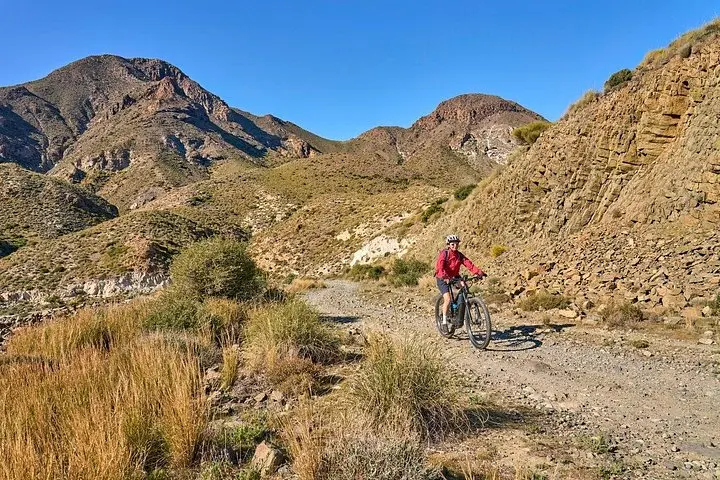
Practically speaking, expect 35–50 km of riding over mixed surfaces: well-maintained paved roads, short gravel sections and gently rolling climbs with roughly 500–700 m total elevation gain. E-bikes mean the route is accessible even to riders who don’t train regularly, but you’ll still be on the saddle for most of an 8-hour day (pickup from central Cape Town is usually 08:00–09:00). There’s a 20–30 minute walking approach to the Cape Point lighthouse; bring shoes with decent grip for that stretch.
Lunch is not included; the restaurant at Cape Point serves hearty local fare and offers one of the best, wind-scoured views in South Africa. The optional stop at Boulders Beach in Simon’s Town lets you watch penguins from an elevated boardwalk—no touching or feeding—so bring a small pair of binoculars and a camera with a zoom lens.
Tips for timing: mornings are calmer for photography and wildlife sightings; late afternoon brings long shadows and softer light but can be windier.
Safety notes are simple: keep a hand on your bike around baboons (they’ll test pockets), carry water and sun protection, and respect signs around nesting birds. The operator supplies e-bikes, helmets and entrance to Cape Point Nature Reserve; children must meet the minimum height requirement of 1.4 m to ride. For travelers who want a full-day coastal run with cultural context and wildlife on the side, this tour is a practical, scenic way to sample the extremes of South Africa’s coastline.
Yes—the pedal-assist makes climbs manageable and guides provide a safety briefing; basic cycling ability is helpful but not required.
No—lunch at Cape Point is not included; there is a restaurant on site or you can bring a packed lunch.
Yes, the Boulders Beach stop is optional; boardwalk access lets you view African penguins without disturbing them and may require an additional admission fee.
Pickup from central Cape Town hotels is typically between 08:00 and 09:00—confirm your exact pickup point when booking.
Children can participate if they meet the minimum height requirement of 1.4 meters and can ride a bicycle; check operator policies for child seats or restrictions.
The tour may be canceled for adverse weather conditions; the operator will notify you and refund if canceled at least 24 hours before departure per policy.
Citi Shuttles operates guided outdoor trips and adventures with an emphasis on safety, stewardship, and memorable experiences.
The tour begins with the soft hum of electric motors against a wide Atlantic sky. Riders gather after a brief safety talk inside Cape Point Nature Reserve, helmets on, maps unrolled, while the ocean keeps time below—whitecaps rolling toward ragged cliffs that have tested ships for centuries. From there the group pedals south, the e-bikes taking the strain on the climbs while riders scan the scrub for Cape Mountain zebra and the occasional troop of chacma baboons.
The tour begins with the soft hum of electric motors against a wide Atlantic sky. Riders gather after a brief safety talk inside Cape Point Nature Reserve, helmets on, maps unrolled, while the ocean keeps time below—whitecaps rolling toward ragged cliffs that have tested ships for centuries. From there the group pedals south, the e-bikes taking the strain on the climbs while riders scan the scrub for Cape Mountain zebra and the occasional troop of chacma baboons.
This is more than a bike ride: it’s a loop through maritime geology and exploration lore. The Cape Peninsula is carved from Table Mountain sandstone and granite, its headlands formed by millions of years of uplift and coastal erosion. Plaques near the Cape of Good Hope mark the routes of Bartolomeu Dias and other Portuguese navigators who first charted these shores in the 15th century, and the lighthouse at Cape Point occupies a promontory where wind and waves still make navigation an exacting business.
Wildlife is conspicuous here. Over 250 bird species patrol the thermals; African penguins hunch on Boulders Beach; ostriches and small antelope graze the fynbos. Conservation shapes the experience—boardwalks at Boulders protect nesting penguins, and SANParks fees help maintain the reserve.
Practically speaking, expect 35–50 km of riding over mixed surfaces: well-maintained paved roads, short gravel sections and gently rolling climbs with roughly 500–700 m total elevation gain. E-bikes mean the route is accessible even to riders who don’t train regularly, but you’ll still be on the saddle for most of an 8-hour day (pickup from central Cape Town is usually 08:00–09:00). There’s a 20–30 minute walking approach to the Cape Point lighthouse; bring shoes with decent grip for that stretch.
Lunch is not included; the restaurant at Cape Point serves hearty local fare and offers one of the best, wind-scoured views in South Africa. The optional stop at Boulders Beach in Simon’s Town lets you watch penguins from an elevated boardwalk—no touching or feeding—so bring a small pair of binoculars and a camera with a zoom lens.
Tips for timing: mornings are calmer for photography and wildlife sightings; late afternoon brings long shadows and softer light but can be windier.
Safety notes are simple: keep a hand on your bike around baboons (they’ll test pockets), carry water and sun protection, and respect signs around nesting birds. The operator supplies e-bikes, helmets and entrance to Cape Point Nature Reserve; children must meet the minimum height requirement of 1.4 m to ride. For travelers who want a full-day coastal run with cultural context and wildlife on the side, this tour is a practical, scenic way to sample the extremes of South Africa’s coastline.