THE ADVENTURE COLLECTIVE® · Independent discovery and booking for outdoor travel

An e-bike tour through the Columbia River Gorge that mixes waterfall hikes, orchard lunches, wine tastings and paddleboarding — six days of accessible adventure powered by pedal-assist bikes and local guides.
An e-bike tour through the Columbia River Gorge that mixes waterfall hikes, orchard lunches, wine tastings and paddleboarding — six days of accessible adventure powered by pedal-assist bikes and local guides.
Morning light slices the gorge and the e-bike hums awake beneath you — a soft mechanical heartbeat that lets the cliffs, rivers and waterfalls reveal themselves at a human pace. Riders roll away from Thunder Island Brewing in Cascade Locks and into a corridor where basalt walls loom like pages of geological history and spray from falls dares you to slow down. The route alternates between tree-shaded Historic Columbia River Highway segments, exposed ridgelines with wind-pruned views, and the orchard-lined backroads around Hood River where fruit stands and food trucks punctuate the miles.
Verified experiences and guided adventures in the surrounding area.
Operated by Megan Ramey · Hood River, Oregon
Morning light slices the gorge and the e-bike hums awake beneath you — a soft mechanical heartbeat that lets the cliffs, rivers and waterfalls reveal themselves at a human pace. Riders roll away from Thunder Island Brewing in Cascade Locks and into a corridor where basalt walls loom like pages of geological history and spray from falls dares you to slow down. The route alternates between tree-shaded Historic Columbia River Highway segments, exposed ridgelines with wind-pruned views, and the orchard-lined backroads around Hood River where fruit stands and food trucks punctuate the miles.
This is ground shaped by fire and flood: the Columbia River Basalt Group forms sheer cliffs, then the cataclysmic Missoula Floods polished and widened the gorge into its present drama. In the 1910s the Historic Columbia River Highway stitched the canyon together for motorists and sightseers; today that same corridor is a ribbon of cycling trails, old stone bridges and pocket waterfalls. You’ll ride through places long used by Chinookan peoples and later mapped by explorers and highway engineers; the culture here blends outdoor recreation, craft brewing, and farm-to-table food grown on terraced orchards.
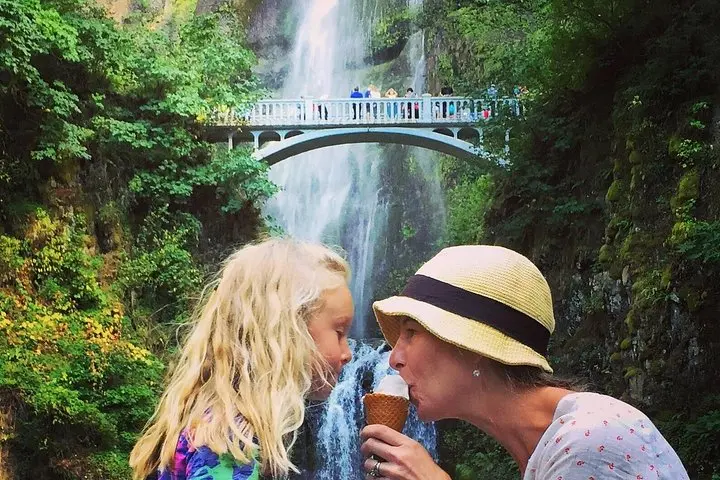
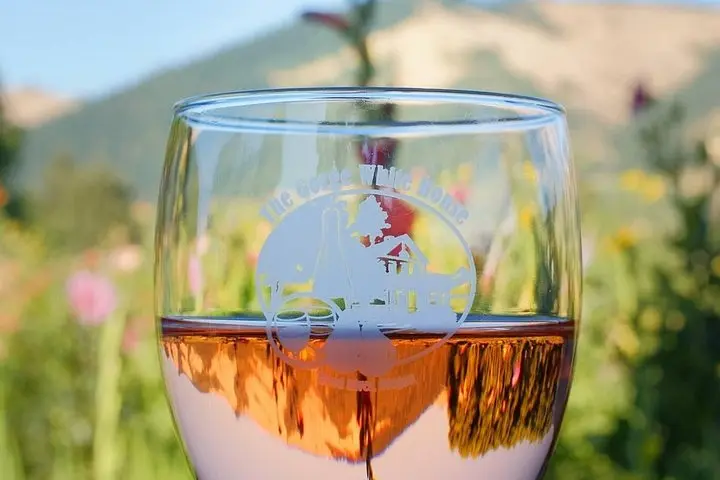
Days vary — waterfall hikes, vineyard tastings, a paddleboard on the river and a swim at a sun-warmed hole. Typical daily e-bike distance ranges from 15–35 miles with short climbs and stair-step grades; expect repeated 300–900 ft efforts where the trail climbs out of the river and then rewards you with a glide back down. The bikes are pedal-assist, which flattens long climbs but doesn’t replace basic fitness: riders should be comfortable on moderate singletrack or paved bike paths and able to ride several hours with breaks.
Practical notes: battery management is part of the plan — charge nightly and ride in the lower assist modes on flats to stretch range. Bring layered clothing; gorge weather swings quickly because river-driven winds and high sun can both appear in an hour. Hydrate often—there are stretches with no services—and carry cash or card for small tasting fees and food trucks. Wear grippy shoes for short waterfall hikes and a helmet for all e-bike time (provided bikes still require your head protection).
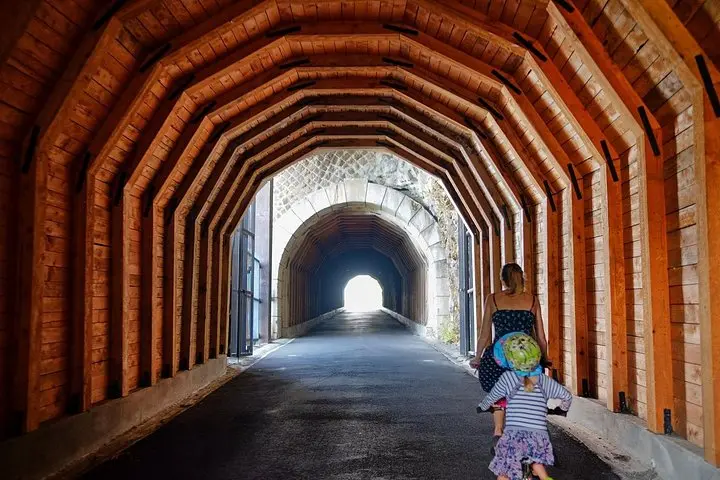
Guides like Megan bring local knowledge that turns transit into storytelling — which vineyard pairs best with an orchard picnic, where to catch the Twin Tunnels light, and which roadside bakery makes the day’s best pastry. Leave room for the unexpected: a brewery stop, an unplanned swim or a long sunset over Rowena Crest. Ride respectfully — support local farms, keep dogs leashed, and follow Leave No Trace so the river keeps daring the next rider to come back.
Yes — pedal-assist e-bikes are included and maintained by the operator; they level climbs but you still pedal.
Rides are rated moderate: expect 15–35 miles a day with repeated climbs of several hundred feet; guides adjust pace for groups.
Family bikes for children (1–10 years) are available and guides tailor the route to mixed-ability groups.
You can bring your own equipment but coordinate with the operator ahead of time; carry a portable charger for long touring days if desired.
Tours may cancel for safety in heavy rain or icy conditions — the cancellation policy allows refunds depending on notice period.
Some tastings and meals are included (noted in the itinerary); others like additional food or alcohol purchases may be on you.
Megan Ramey operates guided outdoor trips and adventures with an emphasis on safety, stewardship, and memorable experiences.
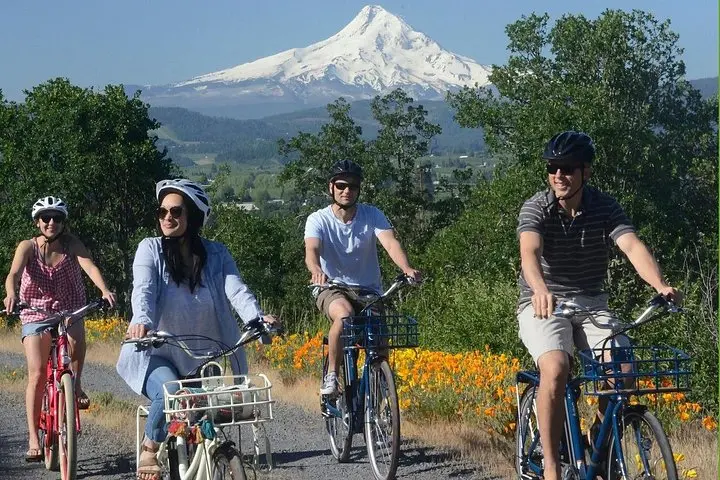
Morning light slices the gorge and the e-bike hums awake beneath you — a soft mechanical heartbeat that lets the cliffs, rivers and waterfalls reveal themselves at a human pace. Riders roll away from Thunder Island Brewing in Cascade Locks and into a corridor where basalt walls loom like pages of geological history and spray from falls dares you to slow down. The route alternates between tree-shaded Historic Columbia River Highway segments, exposed ridgelines with wind-pruned views, and the orchard-lined backroads around Hood River where fruit stands and food trucks punctuate the miles.
Morning light slices the gorge and the e-bike hums awake beneath you — a soft mechanical heartbeat that lets the cliffs, rivers and waterfalls reveal themselves at a human pace. Riders roll away from Thunder Island Brewing in Cascade Locks and into a corridor where basalt walls loom like pages of geological history and spray from falls dares you to slow down. The route alternates between tree-shaded Historic Columbia River Highway segments, exposed ridgelines with wind-pruned views, and the orchard-lined backroads around Hood River where fruit stands and food trucks punctuate the miles.
This is ground shaped by fire and flood: the Columbia River Basalt Group forms sheer cliffs, then the cataclysmic Missoula Floods polished and widened the gorge into its present drama. In the 1910s the Historic Columbia River Highway stitched the canyon together for motorists and sightseers; today that same corridor is a ribbon of cycling trails, old stone bridges and pocket waterfalls. You’ll ride through places long used by Chinookan peoples and later mapped by explorers and highway engineers; the culture here blends outdoor recreation, craft brewing, and farm-to-table food grown on terraced orchards.
Days vary — waterfall hikes, vineyard tastings, a paddleboard on the river and a swim at a sun-warmed hole. Typical daily e-bike distance ranges from 15–35 miles with short climbs and stair-step grades; expect repeated 300–900 ft efforts where the trail climbs out of the river and then rewards you with a glide back down. The bikes are pedal-assist, which flattens long climbs but doesn’t replace basic fitness: riders should be comfortable on moderate singletrack or paved bike paths and able to ride several hours with breaks.
Practical notes: battery management is part of the plan — charge nightly and ride in the lower assist modes on flats to stretch range. Bring layered clothing; gorge weather swings quickly because river-driven winds and high sun can both appear in an hour. Hydrate often—there are stretches with no services—and carry cash or card for small tasting fees and food trucks. Wear grippy shoes for short waterfall hikes and a helmet for all e-bike time (provided bikes still require your head protection).
Guides like Megan bring local knowledge that turns transit into storytelling — which vineyard pairs best with an orchard picnic, where to catch the Twin Tunnels light, and which roadside bakery makes the day’s best pastry. Leave room for the unexpected: a brewery stop, an unplanned swim or a long sunset over Rowena Crest. Ride respectfully — support local farms, keep dogs leashed, and follow Leave No Trace so the river keeps daring the next rider to come back.