THE ADVENTURE COLLECTIVE® · Independent discovery and booking for outdoor travel

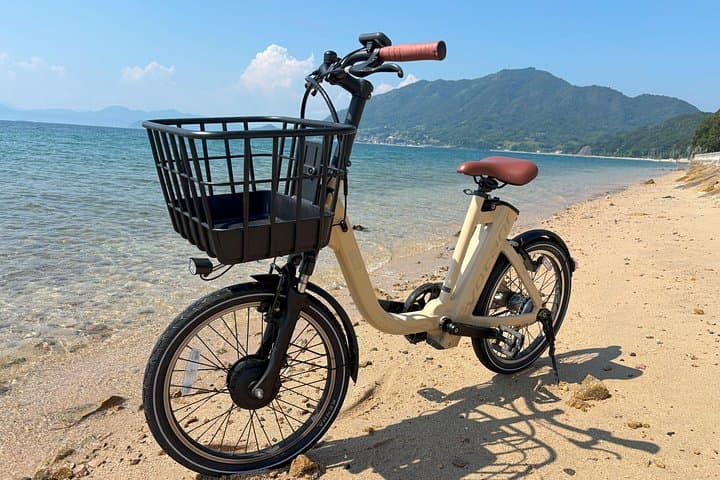
Swap crowds for coastal roads and café stops on a relaxed e-bike loop to Etajima. In one day you’ll cross the Seto Inland Sea, ride olive-scented lanes and discover hidden beaches and local lunch spots.
Swap crowds for coastal roads and café stops on a relaxed e-bike loop to Etajima. In one day you’ll cross the Seto Inland Sea, ride olive-scented lanes and discover hidden beaches and local lunch spots.
A short ferry crossing pushes you away from Hiroshima’s concrete edges and into a gentler sea-breeze world: Etajima’s narrow roads, low-rise fishing villages and olive groves unfurl as you disembark at Mitaka Port.
Verified experiences and guided adventures in the surrounding area.
Operated by Alex · Etajima, Hiroshima
A short ferry crossing pushes you away from Hiroshima’s concrete edges and into a gentler sea-breeze world: Etajima’s narrow roads, low-rise fishing villages and olive groves unfurl as you disembark at Mitaka Port.
The day begins with a 40-minute crossing of the Seto Inland Sea — calm water punctuated by distant islands — then shifts to a measured pedal. The route is coastal and convivial: quiet blue-line roads that thread oyster farms, small shipyards and cafés with sea views. Etajima’s human history includes a naval academy that shaped Japan’s maritime training, and the island’s geology is typical of the Seto Inland Sea archipelago — eroded hills and sheltered coves carved by tidal action over millennia.
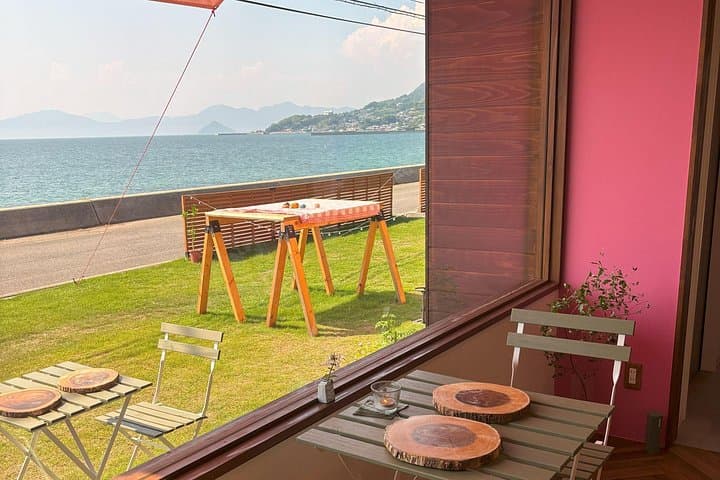
Local culture is plainspoken: fishermen haul nets, cafés serve coffee and set lunches, and olive trees mark pockets of Mediterranean-style cultivation introduced in the 20th century. You’ll stop at a tucked-away beach for photos, sip coffee at a seaside terrace and break for a hearty local lunch.
Practical side: the tour covers roughly 30 km at a relaxed pace over about 6–7 hours with e-bikes and helmets provided. Expect short climbs and narrow shoulder roads; basic e-bike handling is enough, but bring sunscreen, a refillable water bottle and a light wind layer. Tours are small-group, weather-dependent and adjustable; book morning departures to avoid heat and secure ferry seats. This ride pairs culture and coast — a low-impact way to see everyday Japan beyond the usual sights.
Yes — round-trip ferry tickets between Hiroshima (Ujina Port) and Mitaka Port on Etajima are included in the tour price.
Helmets and safety gear are provided and fitted before departure; you may bring your own helmet if preferred.
Yes — e-bikes make the distance and hills manageable for riders with basic cycling experience; guides set a relaxed pace.
Yes — the seaside lunch includes vegetarian options if requested in advance when booking.
Alex operates guided outdoor trips and adventures with an emphasis on safety, stewardship, and memorable experiences.


A short ferry crossing pushes you away from Hiroshima’s concrete edges and into a gentler sea-breeze world: Etajima’s narrow roads, low-rise fishing villages and olive groves unfurl as you disembark at Mitaka Port.
A short ferry crossing pushes you away from Hiroshima’s concrete edges and into a gentler sea-breeze world: Etajima’s narrow roads, low-rise fishing villages and olive groves unfurl as you disembark at Mitaka Port.
The day begins with a 40-minute crossing of the Seto Inland Sea — calm water punctuated by distant islands — then shifts to a measured pedal. The route is coastal and convivial: quiet blue-line roads that thread oyster farms, small shipyards and cafés with sea views. Etajima’s human history includes a naval academy that shaped Japan’s maritime training, and the island’s geology is typical of the Seto Inland Sea archipelago — eroded hills and sheltered coves carved by tidal action over millennia.
Local culture is plainspoken: fishermen haul nets, cafés serve coffee and set lunches, and olive trees mark pockets of Mediterranean-style cultivation introduced in the 20th century. You’ll stop at a tucked-away beach for photos, sip coffee at a seaside terrace and break for a hearty local lunch.
Practical side: the tour covers roughly 30 km at a relaxed pace over about 6–7 hours with e-bikes and helmets provided. Expect short climbs and narrow shoulder roads; basic e-bike handling is enough, but bring sunscreen, a refillable water bottle and a light wind layer. Tours are small-group, weather-dependent and adjustable; book morning departures to avoid heat and secure ferry seats. This ride pairs culture and coast — a low-impact way to see everyday Japan beyond the usual sights.